
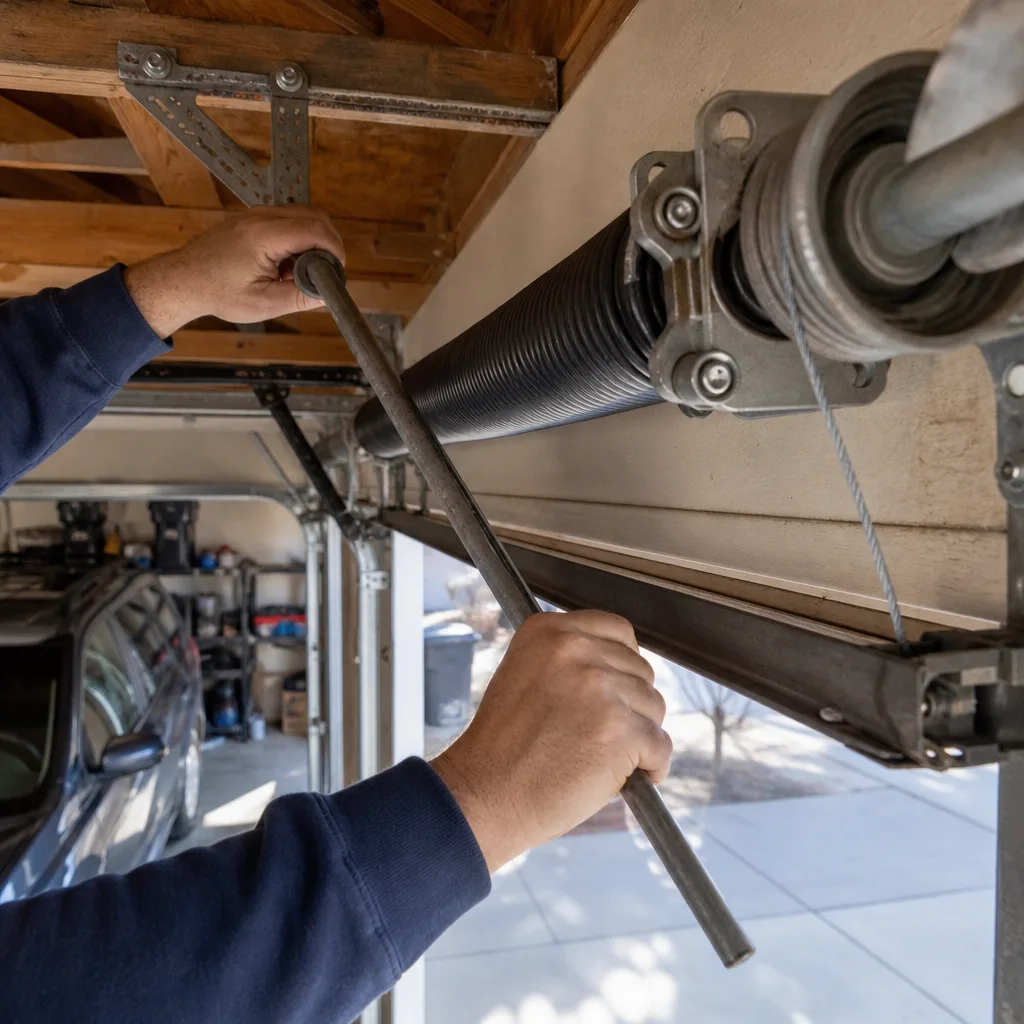
Last updated November 20, 2026
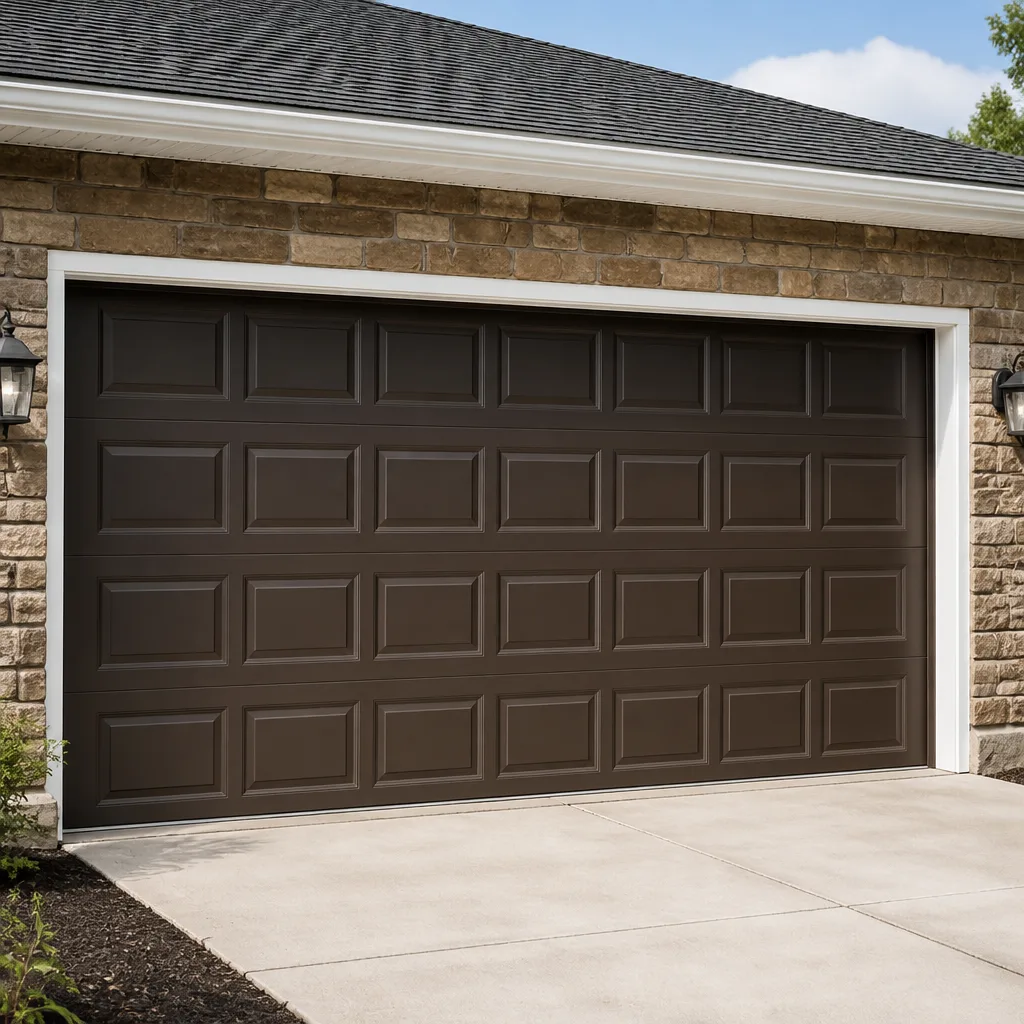 Raised-panel steel
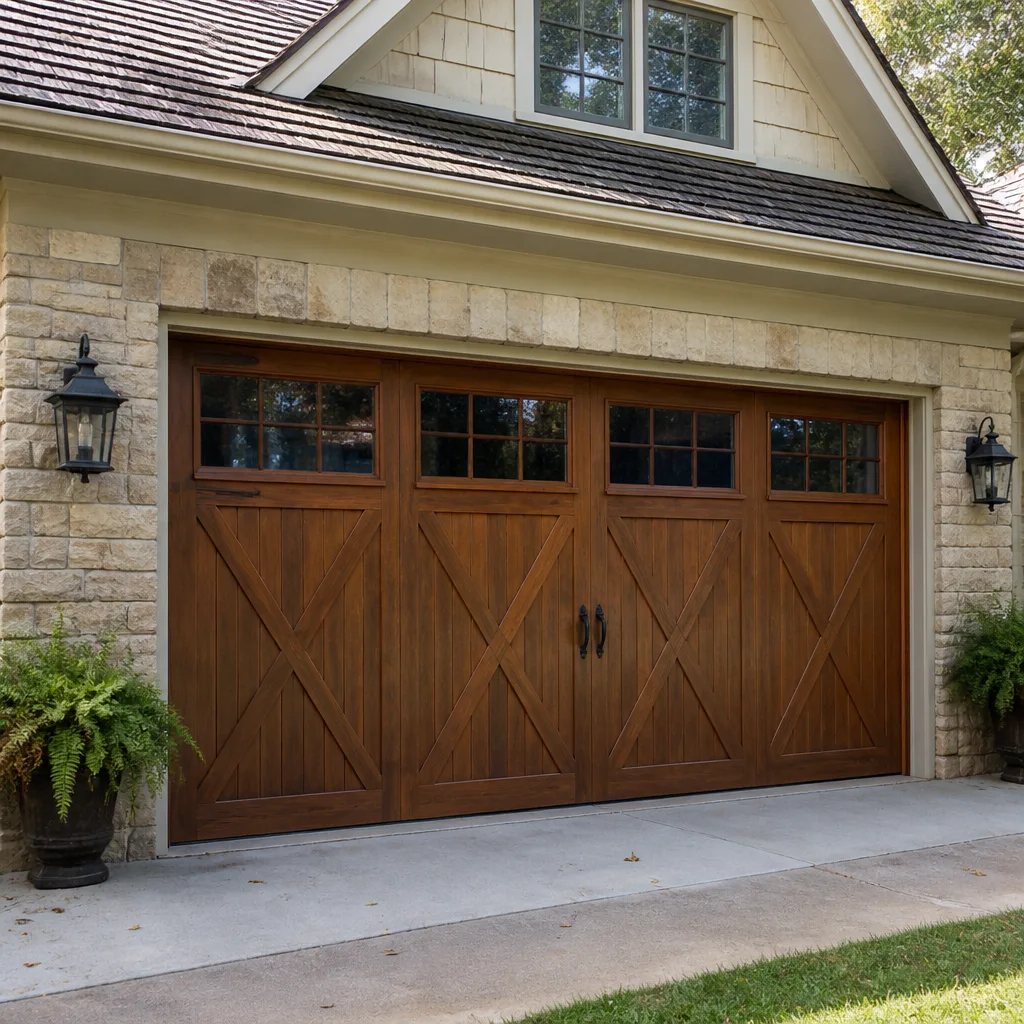 Carriage house
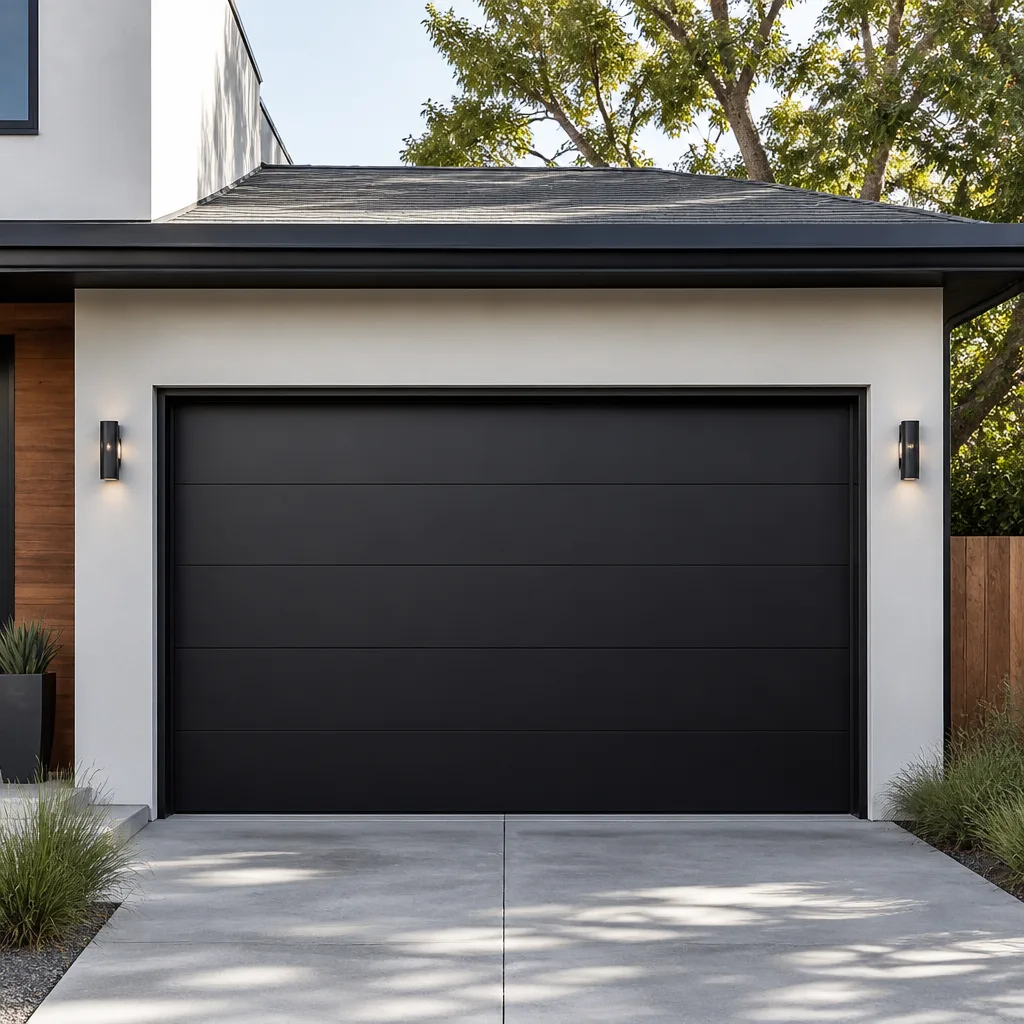 Modern flush
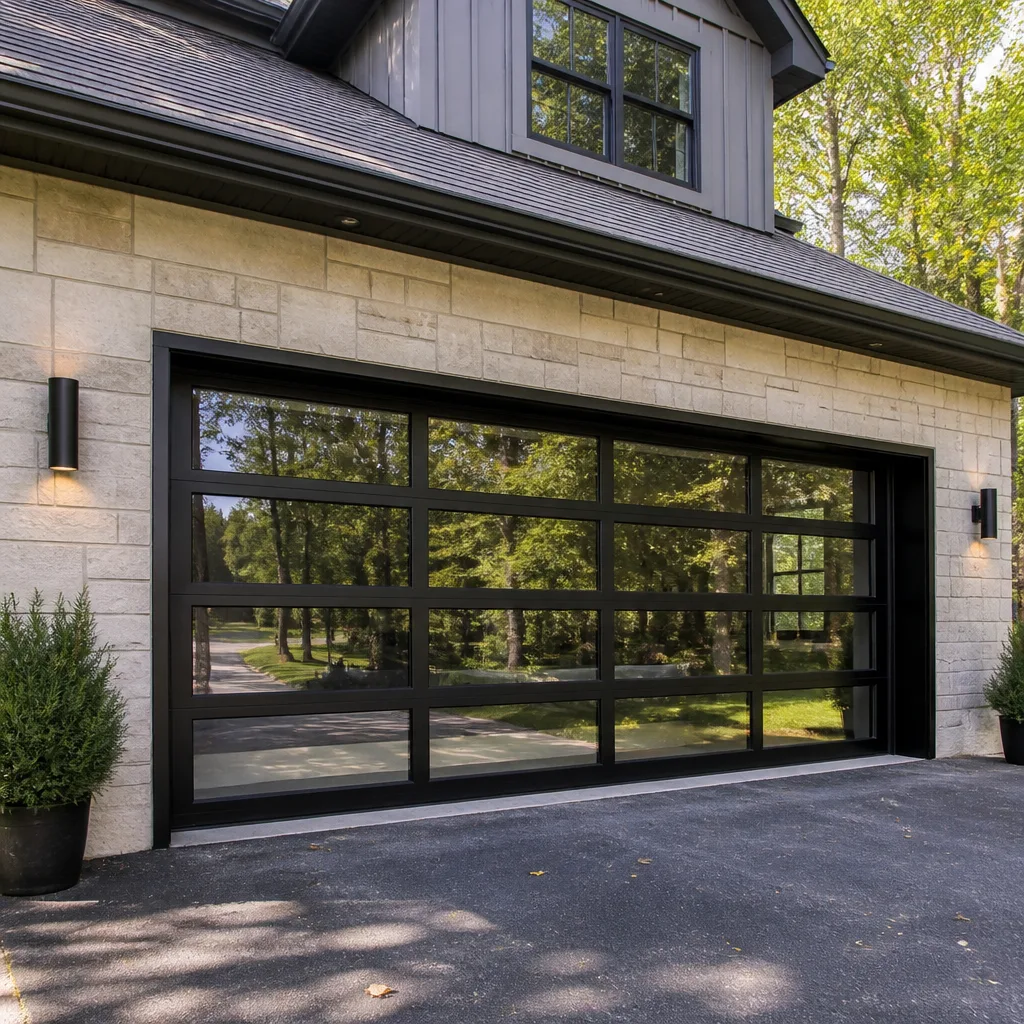 Full-view glass
 LiftMaster openers
 Chamberlain openers
Full 25-point door and opener safety check with every visit - springs, cables, rollers, tracks, and your LiftMaster or Chamberlain opener included
You get a price before we start. It does not change when the pro arrives.
Get your free estimateGarage Door Repair Troubleshooting in Englewood: Common Problems and How to Fix Them
A door that stops halfway up has almost nothing in common with a door that won’t move at all, yet most troubleshooting guides treat them the same way. That’s the core problem with DIY diagnosis: people search for “garage door won’t open,” find a generic checklist, and start replacing parts that were never broken. Your door is a system of four moving parts that fail in four distinct ways, and the behavior you’re seeing points to exactly one of them. This guide walks you through reading that behavior, from the grinding noise you hear to the dead silence you don’t, and tells you which checks are safe in Englewood and which ones genuinely require a trained technician.
Quick Answer
Most garage door problems trace to one of four components: a broken spring (door feels impossibly heavy, loud bang), a loose or snapped cable (door sags on one side or comes off track), a misaligned track (door grinds or binds), or an opener fault (door reverses, clicks without moving, or won’t respond to the remote). The behavior gives the cause away. If the door lifts a few inches and stops with the motor whirring, suspect the spring. If it moves unevenly, suspect a cable or track. If it hums or clicks but doesn’t budge, suspect the opener. Fixing the wrong component wastes money and can be dangerous, especially with springs.
Styles & brands we work with
- Raised-panel steel
- Carriage house
- Modern flush
- Full-view glass
- LiftMaster openers
- Chamberlain openers
Table of Contents
- Read the Behavior: A Diagnosis Tree
- Why Englewood’s Elevation and Temperature Swings Affect Your Door
- Safe DIY Checks vs. Leave-It-to-a-Pro Checks
- Opener Error Codes: What LiftMaster, Chamberlain, and Genie Lights Really Mean
- Spring and Cable Failures: The Safety Line
- When You’ve Checked Everything and It Still Won’t Work
- What Garage Door Repair Costs in Englewood
- Common Mistakes to Avoid
Read the Behavior: A Diagnosis Tree
The fastest way to find the real problem is to ignore what you think is wrong and observe how the door behaves. Four behaviors, four likely culprits. Work through these in order.
- Door opens a few inches, then stops, and the opener keeps running or hums. The spring has likely lost tension or snapped. The opener is doing all the lifting and running out of torque. Do not keep operating it; the opener will eventually strip its gears.
- Door moves unevenly, sags on one side, or jumps off track. A cable has slipped off the drum or the track has shifted. Stop use immediately; a door on a slack cable can drop.
- Door grinds, squeals, or binds from the start. The track is bent, dirty, or out of alignment, or a roller has seized. Sometimes the lift cable is rubbing.
- Opener clicks, hums, or flashes without the door moving. This is an opener or power problem, not a door problem. Check the opener lights and sensors first.
Notice that only one of these four scenarios is actually a door-structure issue. The rest are opener or accessory issues, which is why a generic “garage door repair” search rarely lands you on the right answer. Getting the diagnosis right matters most in Englewood, where temperature swings widen the tolerances on every moving part and a small fault at a mild 65°F becomes a stuck door at 20°F.
Why Englewood’s Elevation and Temperature Swings Affect Your Door
Englewood sits at roughly 5,300 feet, and our temperature swings over a single day can run 40 degrees or more. Garage doors are metal systems with cables, springs, and tracks that respond to temperature as much as to wear. The Front Range pattern matters here in a way it doesn’t in a place with stable weather.
What that means in practice:
- Springs lose tension as temperatures drop. A torsion spring tuned on a warm afternoon will feel tighter on a cold morning and looser by midday, and that constant cycling through the seasons is what eventually fatigues the metal.
- Metal contracts and expands. Steel tracks, panels, and hinges shorten when cold and lengthen when warm, and a door that fit perfectly in summer can bind in December. That’s why a door that works all summer suddenly sticks in January.
- Elevation thins the air. At 5,300 feet, the density of the air is lower than at sea level, and that can affect the balance of a door and how hard the opener has to work to move a given load.
- Temperature-sensitive sensors misbehave. The safety sensors near the floor are more likely to false-trip in extreme cold or direct sun, which produces a door that reverses right after it starts closing.
If your door only fails on cold mornings, you’re not imagining it. What looks like an intermittent fault is often a spring that’s lost just enough tension that it can handle the door on warm days but not on the coldest. In our experience, that’s the most common “it only happens sometimes” call we get in Englewood.
Safe DIY Checks vs. Leave-It-to-a-Pro Checks
We’d rather you check the simple things than waste a service call on a sensor that got knocked sideways. But there’s a clear line between what a homeowner can safely check and what will put you in the hospital. Here’s the honest split.
Safe for you to check:
- The wall switch: does the opener respond to the button on the wall even if the remote doesn’t? That rules the remote in or out.
- The safety sensors: are both lights lit, are they pointed at each other, and is anything blocking the beam?
- The power supply: is the opener plugged in, is the breaker tripped, is the name of the opener clear on the housing so you know what you’re working with?
- The track and rollers: look for visible bends, rust, bits of debris, or a roller that’s popped out of its bracket. Look, don’t pull.
- The balance test: with the door fully closed and the opener disconnected, lift it by hand. A properly balanced door should lift with modest effort. If it feels like dead weight, the spring is the issue and you should stop there.
Leave to a professional:
- Adjusting or replacing torsion or extension garage door spring repair. Springs are under hundreds of pounds of tension. Releasing one wrong turns a repair into an emergency.
- Working on the cable drums or winding cables. A slack cable under load can lash across the garage.
- Straightening a twisted track. A bent track can hold a door in the air, and releasing it is unpredictable.
- Adjusting opener force limits beyond the manual’s travel settings. Too much force can crush a child or damage a panel.
This isn’t a scare tactic. The parts that fail most often are the ones under tension, and those are the ones that hurt people who don’t know how to release the load safely.
Opener Error Codes: What LiftMaster, Chamberlain, and Genie Lights Really Mean
Openers don’t usually fail silently. They flash or beep a code that most people ignore. The good news is that the two dominant brands in most Englewood garages, LiftMaster and the Chamberlain myQ family, use similar error signaling, and even older Craftsman and Genie units are readable if you know what the lights mean.
Here’s how to translate the most common signals into plain language:
- A single flash followed by a pause, repeating several times. Usually a sensor obstruction or a failing safety sensor. Clean the lenses, check alignment, and make sure no morning sun is blinding the sensor.
- A rapid series of flashes (usually five). The opener is seeing an obstruction or a force-travel error during the closing cycle. Something is making the door harder to close than the opener expects, and it might be a binding track rather than an obstruction.
- A short beep plus a flash sequence when the door won’t move. The opener’s internal logic has tripped to protect the motor. Often it’s because it detected a heavy door (a spring problem) and shut itself down.
- The opener lights up but the door doesn’t move. Usually a disconnect at the drive, a stripped gear, or a robbed battery in a wireless keypad that the unit reads as a bad command.
- A constant light with no code. Sometimes the unit has simply lost power to the logic board, or the battery in the remote is dead. Swap the remote battery before calling anyone.
If the code points to the opener, that’s a job for garage door opener repair, and the diagnosis matters. A LiftMaster that’s really a track problem isn’t fixed by a new logic board. We see both a lot in Englewood, and separating the two is where a technician earns their fee.
Spring and Cable Failures: The Safety Line
Spring and cable work is where experienced homeowners sometimes get hurt, because it looks like any other mechanical repair until the release happens. The spring is the component that holds up the entire weight of the door. When it fails, the door is held only by the opener, and the opener was never designed to carry that load.
The signs that a spring is the problem:
- A loud bang from the garage, often mistaken for something falling.
- A gap in the spring coil, or a visibly stretched extension spring.
- The door feels extremely heavy on the balance test, or won’t lift by hand at all.
- The opener strains, grinds, or shuts off before the door is halfway up.
The signs that a cable is the problem:
- The door sits crooked when closed.
- A cable has jumped the drum or is loose and hanging.
- The door clunks or snaps during travel, then stops.
Stop using the door in either case. We’ve seen homeowners try to nurse a door through a week with a broken spring, and the result is usually a stripped opener gear plus the spring repair. The garage door spring repair service exists precisely because this job needs a specialist with the right tools and the training to release tension safely. This is one to call in rather than wrestle through.
When You’ve Checked Everything and It Still Won’t Work
Some failures aren’t clean. The door opens, works fine for a week, then refuses. You’ve replaced the remote batteries, cleaned the sensors, and checked the track, and you still can’t reproduce the fault on demand. Intermittent problems are the hardest to diagnose, and they tend to have three causes.
- Temperature-dependent springs. As we described above, a spring with marginal tension works on warm afternoons and fails on cold mornings. The fault only appears at a specific temperature.
- A failing logic board. The opener’s circuit board can degrade in ways that produce ghost faults: the door moves and reverses for no reason, the lights flash without a code, or the remote works in the morning and not in the afternoon. Boards in older Craftsman and Genie units are common culprits.
- Wi-Fi and myQ dropouts. Smart openers connected to the home network will occasionally show “offline” even though the physical door works. If the door moves from the wall switch but not the app, that’s a network problem, not a door problem.
Diagnosing an intermittent fault often needs a technician on-site to run the door through a full cycle, watch the lights, listen for the click, and test the sensors in real conditions. We’d rather have you call after two failed attempts at home than after replacing your third remote.
What Garage Door Repair Costs in Englewood
Prices in the Front Range market depend mostly on the part and the failure, not on the brand of the door. Here’s what typical repair costs run in the Englewood area, based on the ranges we work with. Every job is quoted in writing before work starts, so the range below tells you what to expect, not what you’ll be charged.
- Single torsion spring repair: typically $180 to $340. A matched pair, which is usually replaced together, runs about twice that.
- Cable replacement: typically $150 to $280 per side, depending on whether the drum assembly needs attention.
- Track realignment or straightening: typically $140 to $260 for a single track.
- Roller replacement (all rollers): typically $120 to $220, depending on the door size.
- Opener repair or logic board replacement: typically $180 to $400, depending on the model and the part.
- Full opener replacement: typically $350 to $700 installed, depending on the brand and features.
- Safety sensor replacement: typically $110 to $180 per pair.
For a complete system replacement, the numbers are higher. A basic single-car Clopay steel door typically runs $800 to $1,600 installed, a two-car Amarr door runs $1,200 to $2,400, and a Wayne Dalton carriage-style door runs $1,800 to $3,500. These are estimates only; the written quote sets the working price, and a free measure is what turns an estimate into a quote. For full door pricing, see our garage door repair and installation page.
Common Mistakes to Avoid
- Treating the symptom as the cause. A door that hums but doesn’t lift isn’t a door problem, it’s a spring or opener problem. Diagnosing the behavior saves you from replacing a part that isn’t broken.
- Running the door after a spring snap. It’s tempting to push through until payday, but every cycle strains the opener gears and increases the bill.
- Spraying WD-40 on the track. It attracts dust and grime, then gums up the rollers. Use a dry silicone lubricant on the rollers and hinges, never on the springs or cables.
- Bypassing the safety sensors. Holding down the wall switch to force the door through the closing cycle is a real safety hazard. If the sensors are faulty, repair them.
- Ignoring a sag in cold weather. Englewood’s temperature swings expose marginal springs, and a door that sags once in January will likely leave you stranded again before spring.
- Paying for a service call to diagnose someone else’s decision. Get the written estimate before any work starts, and confirm whether the price covers the part and the labor. That’s the number you can hold a company to.
- Assuming your door is the “same as everyone else’s.” A Chamberlain opener and a Genie opener diagnose differently. When you call, have the make and model of the door and the opener handy so the technician arrives prepared.
See the difference
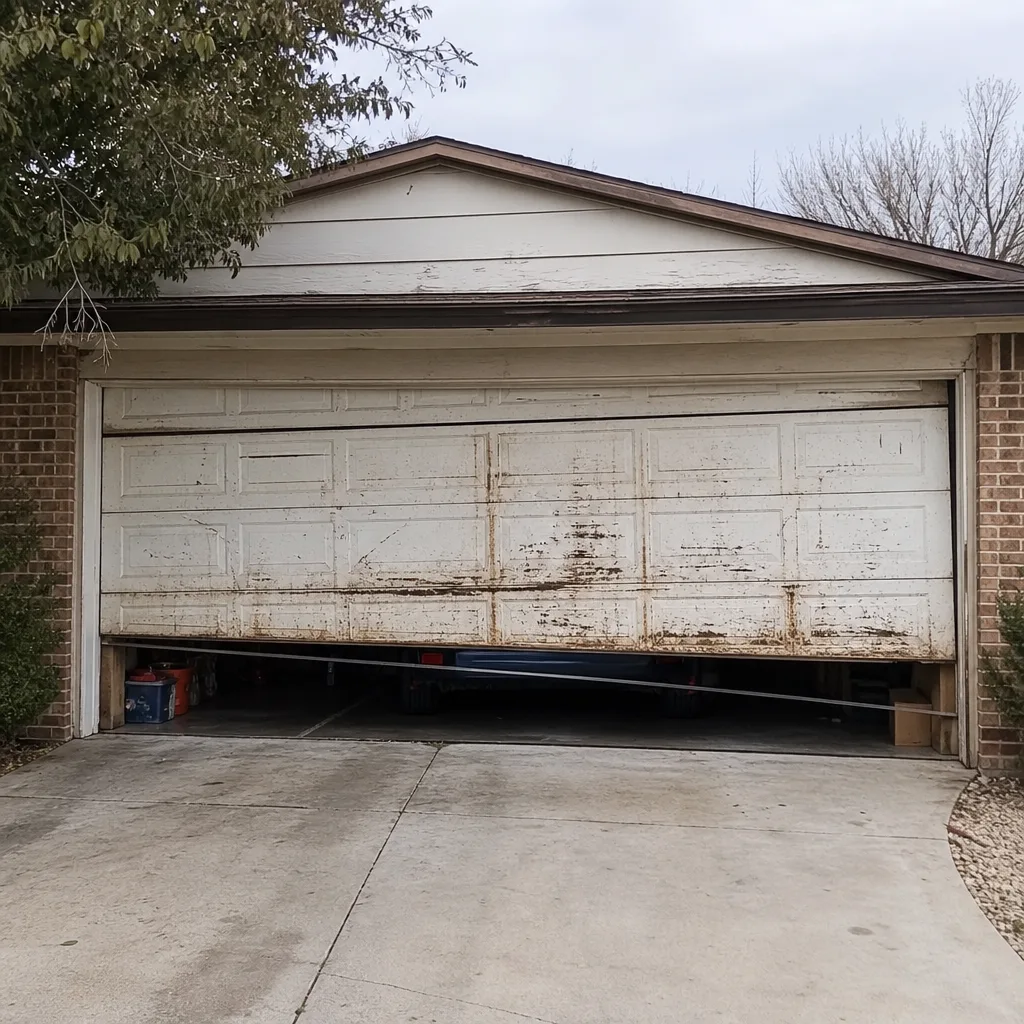 Before
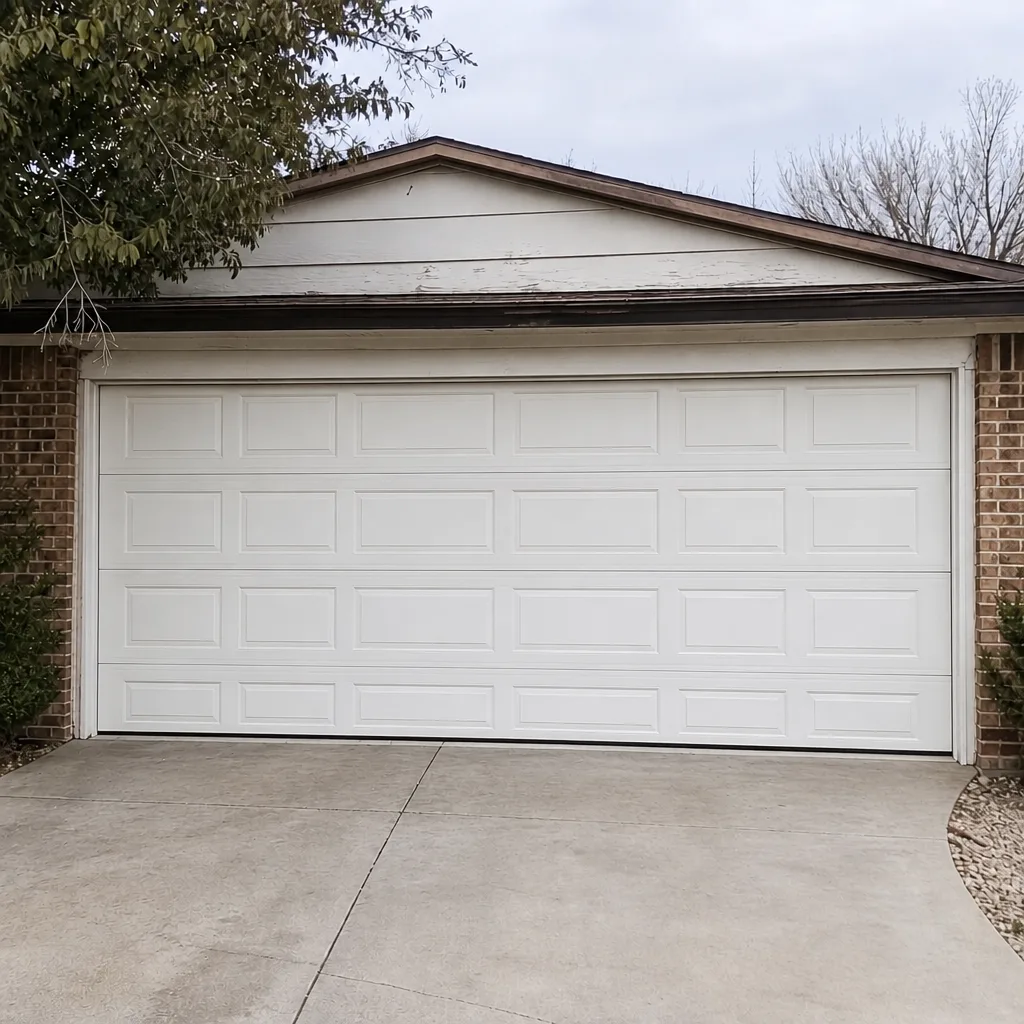 After
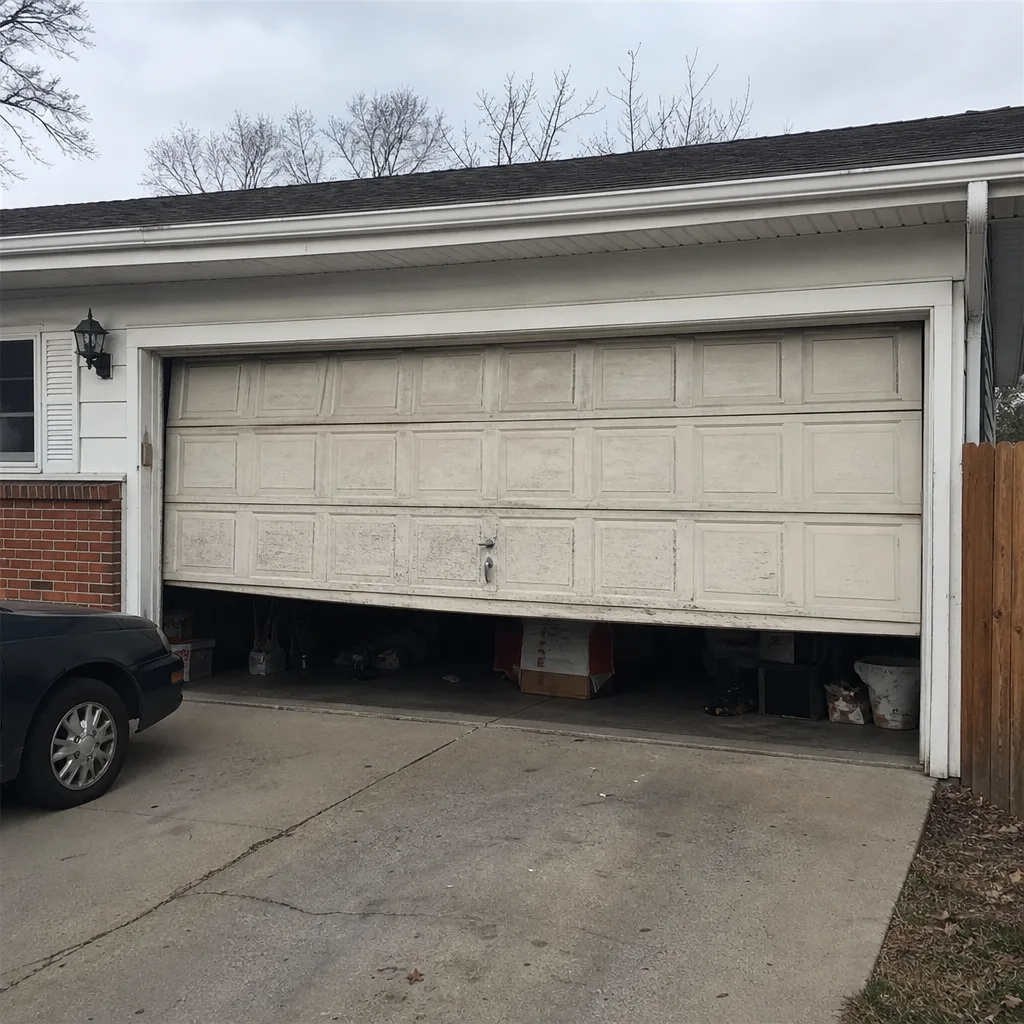 Before
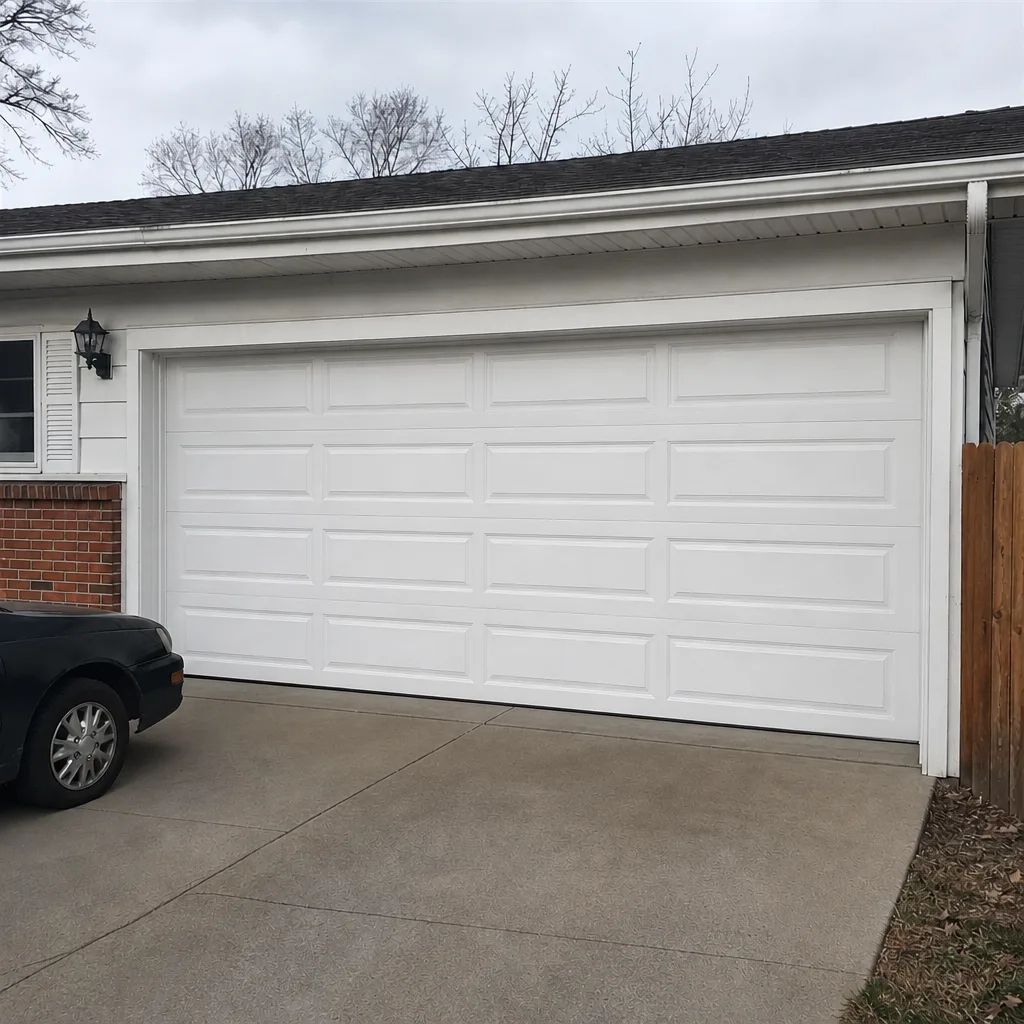 After
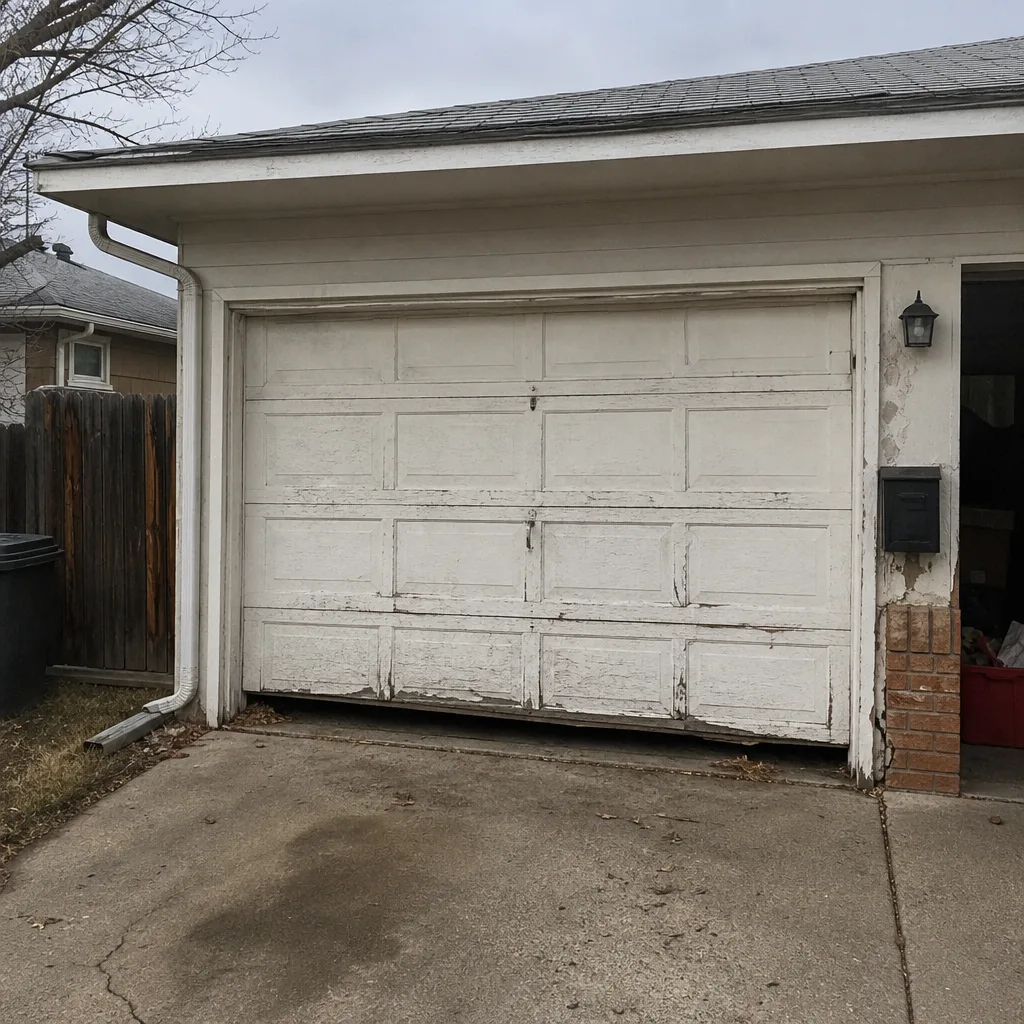 Before
 After
When to Call a Professional
Some faults are worth a phone call the moment you spot them, and others can wait a day or two. Break a spring, see a cable off the drum, notice the door sagging or off track, or watch the opener flash a fault code more than once, and it’s time to call. A door that won’t close at sunset when the house is open needs same-day attention. At Englewood Garage Door Repair Pros, we offer free estimates and a written quote before any work begins. Our technicians have up to 11 years of experience with the systems most Englewood homes actually have, including LiftMaster, Chamberlain, Genie, Clopay, Amarr, Wayne Dalton, Craftsman, and Raynor. The specialist for your exact brand and model makes the diagnosis faster. Call (833) 513-8729. We answer 24/7. Fast dispatch from 7am to 7pm, Sunday through Friday.
Frequently Asked Questions
Spring repair in Englewood typically runs $180 to $340 for a single torsion spring, and a matched pair, which is usually replaced together, runs about twice that. The written estimate you receive before work starts sets the final price, and it’s free to request one. Call (833) 513-8729 for an exact quote on your door.
Yes, we offer same-day service for garage door faults in Englewood when a technician is available. We answer 24/7, and dispatch runs from 7am to 7pm, Sunday through Friday. A call outside those hours is booked into the next opening. Call (833) 513-8729 and describe the door’s behavior so we can bring the right parts.
No, not if the written estimate is accurate. The price is quoted and agreed before any work starts, and any additional issue found after the door opens gets a second quote before we touch it. The price in the written quote is the price you pay. Call (833) 513-8729 for a free estimate.
In most cases it’s the spring, not the opener. A door that lifts a few inches and stops while the opener hums is trying to lift the door’s entire weight on its own, which means the spring has lost tension or snapped. Stop operating it and call (833) 513-8729 for an inspection.
A door usually needs repair, not replacement, if the panels are intact and the tracks are true. The exceptions are structural panel damage from a car strike or a rusted-out frame, where replacement costs less than chasing repairs long-term. A free measure on-site gives you both numbers so the choice is clear. Call (833) 513-8729 to schedule one.
Yes, in a specific way. Colorado’s Front Range sees large temperature swings, and springs tuned in warm weather feel tighter in the cold, while steel tracks contract. That combination is why a marginal spring or a slightly out-of-true track that works all summer can fail in January. Have a technician check the balance before each winter. Call (833) 513-8729 if your door acts differently in the cold.
The Bottom Line
The most useful troubleshooting skill is reading the door’s behavior before you call or buy a part. A grinding door, a sagging door, a door that stops partway, and a door that never moves have four different causes, and matching the wrong cause wastes money. Springs are the most common failure in Englewood, and the most dangerous to handle; leave that work to a technician who can release the tension safely. Our technicians have up to 11 years of experience with LiftMaster, Chamberlain, Genie, and the other major brands. The price is set by the written estimate before any work starts, and the estimate is free. For anything beyond the checks in this guide, call (833) 513-8729. We answer 24/7. Fast dispatch from 7am to 7pm, Sunday through Friday, and we’re closed Saturday.
Written by the team at Englewood Garage Door Repair Pros.