
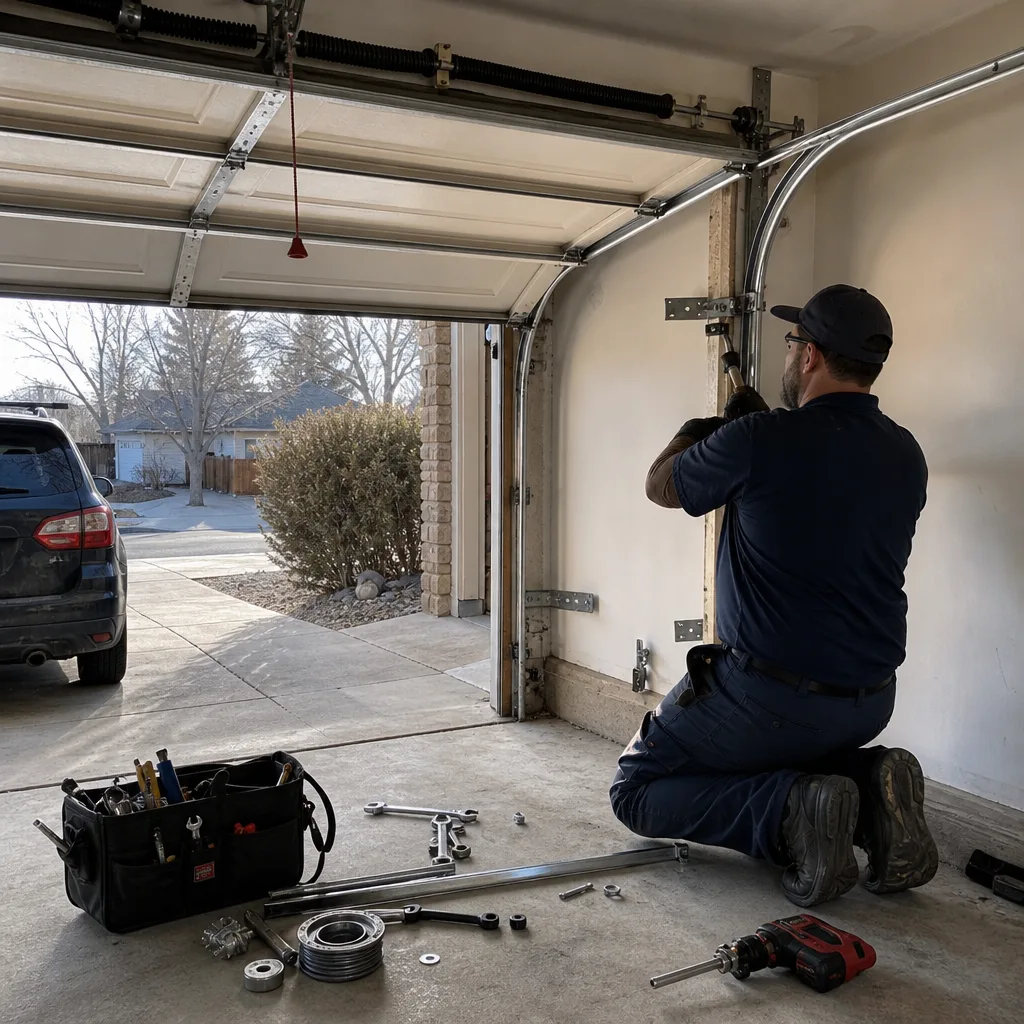
Last updated November 20, 2026
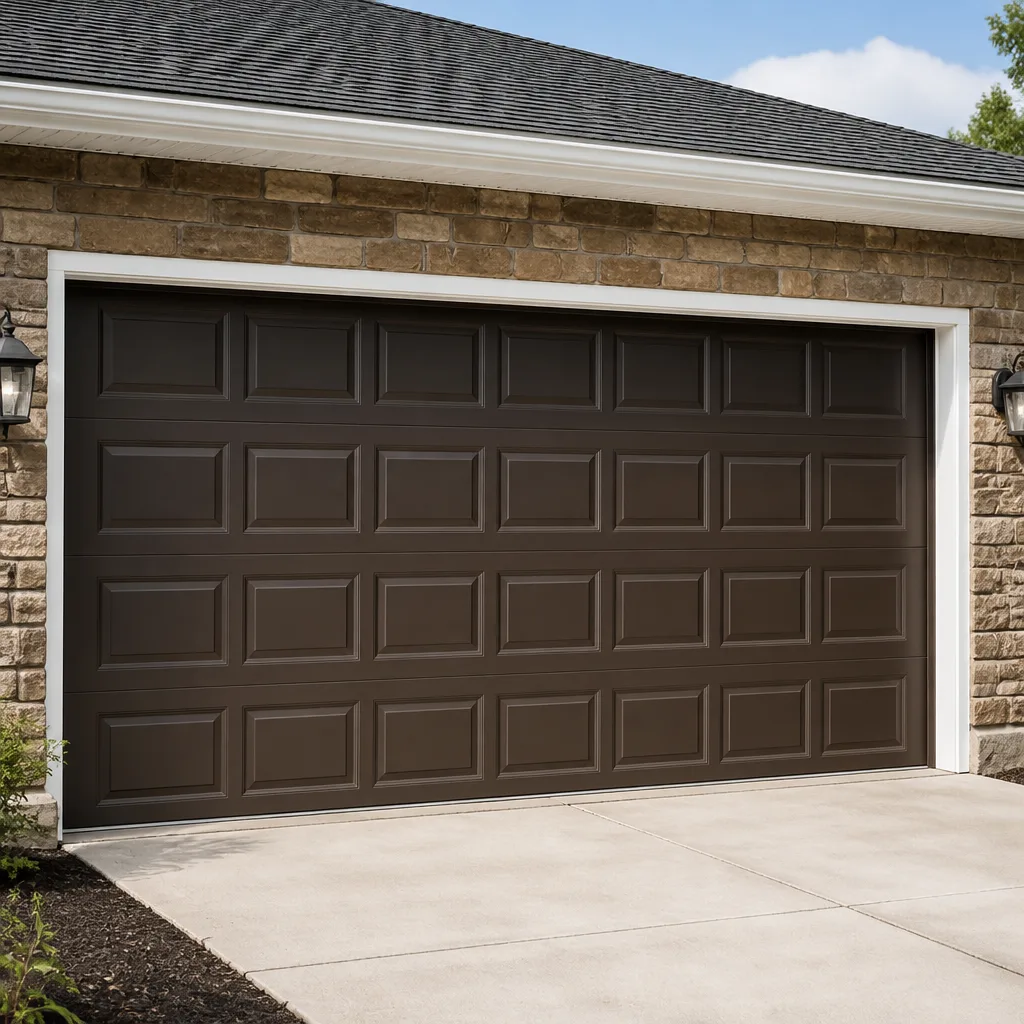 Raised-panel steel
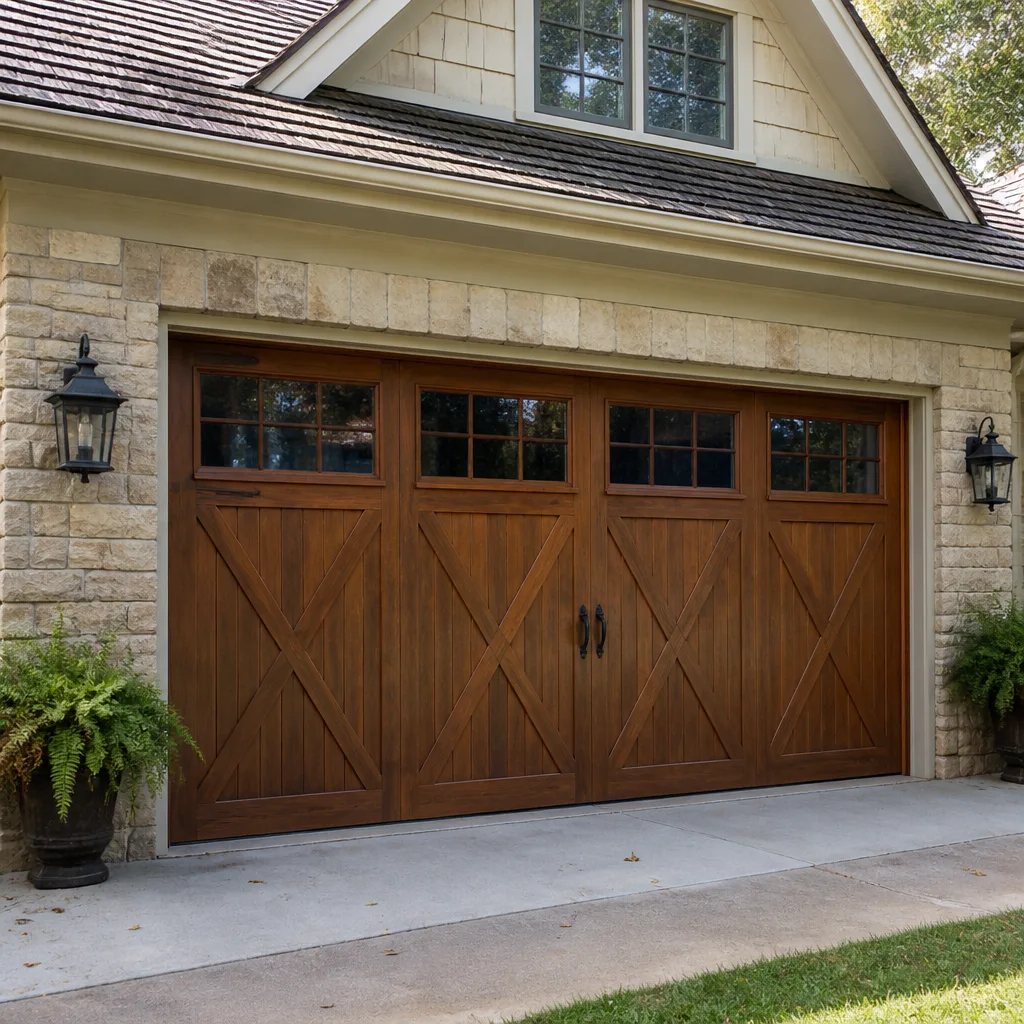 Carriage house
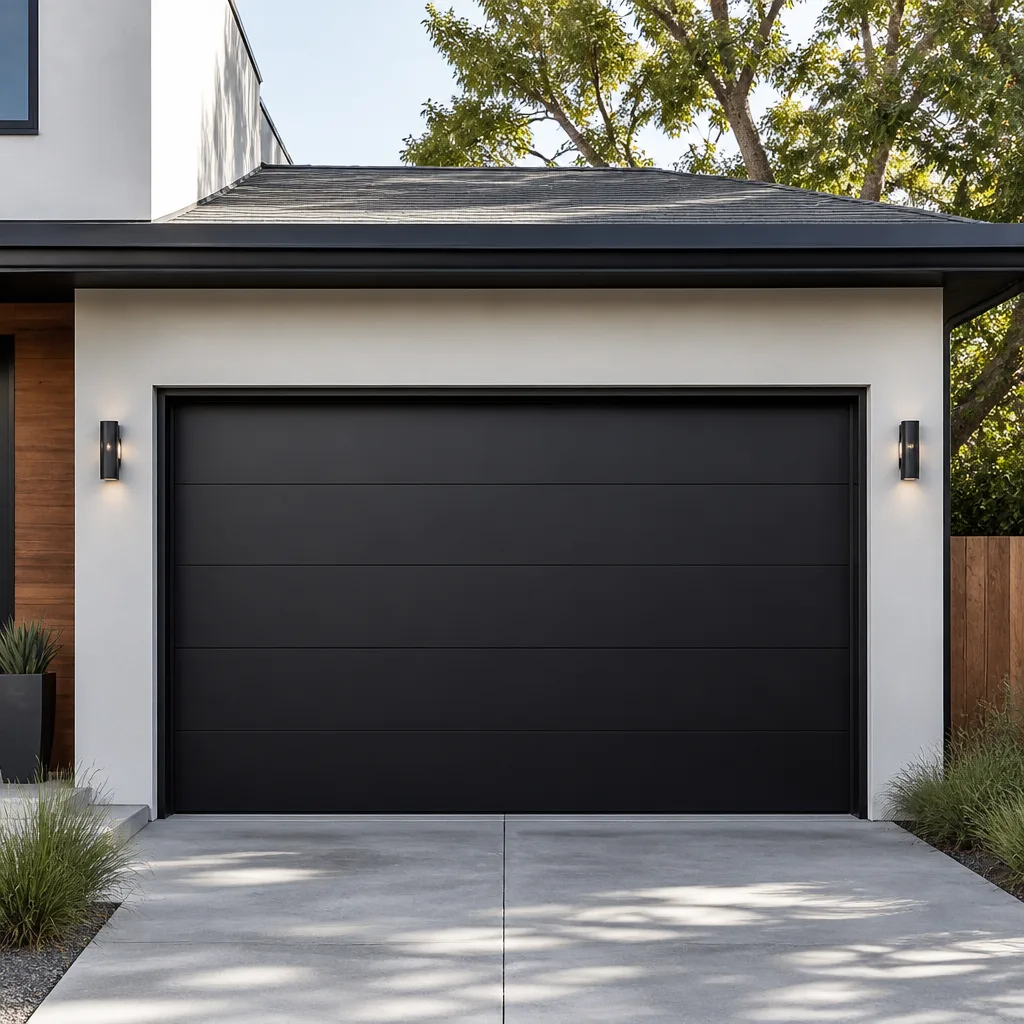 Modern flush
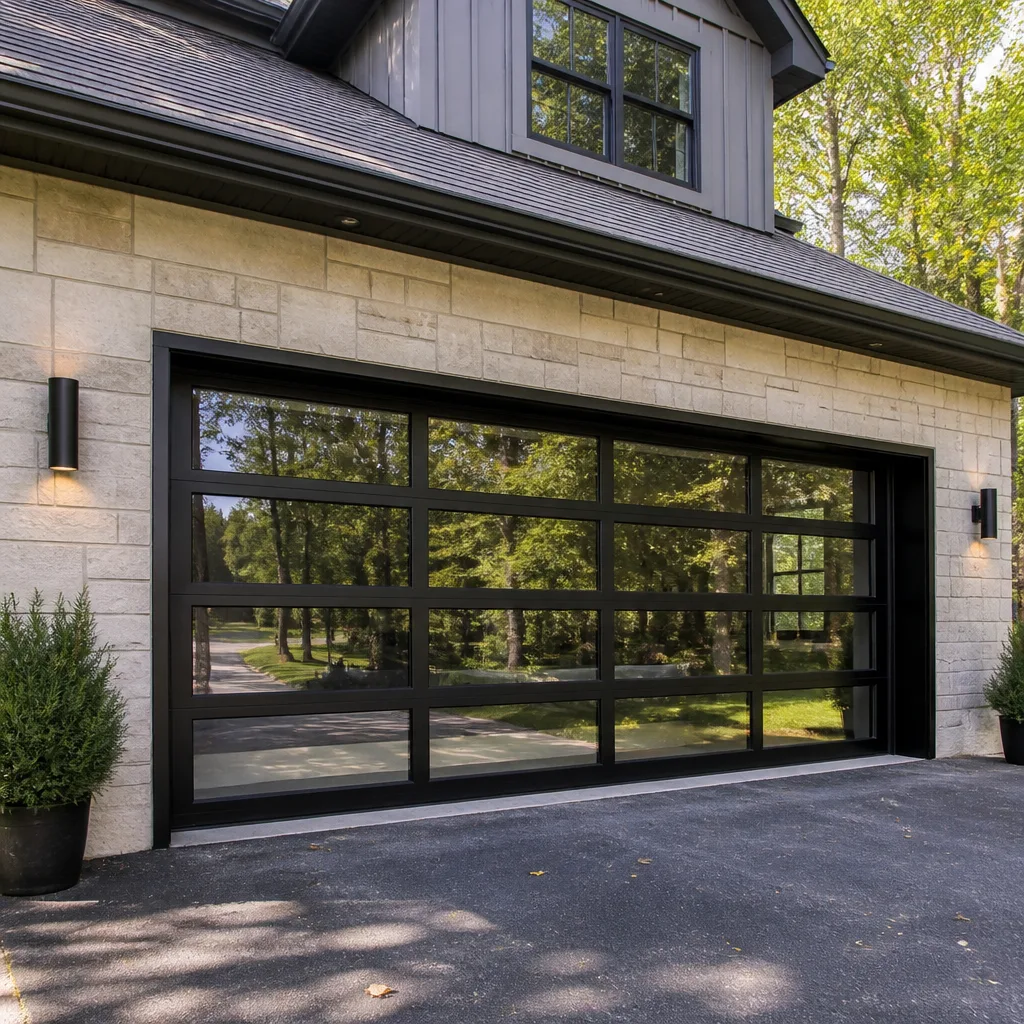 Full-view glass
 LiftMaster openers
 Chamberlain openers
Full 25-point door and opener safety check with every visit - springs, cables, rollers, tracks, and your LiftMaster or Chamberlain opener included
You get a price before we start. It does not change when the pro arrives.
Get your free estimateHow to Hire a Garage Door Contractor in Englewood: A Step-by-Step Guide
Most people who search “garage door repair Englewood” assume every listing is a garage door company. A lot of them aren’t. Plenty are general handymen who added the keyword to their profile, and the gap between a generalist and a true specialist stays invisible until the work is done, when a fresh spring fails early or a warranty claim gets denied because the wrong hardware went on a door that called for specific parts. This guide walks you through how to vet a garage door contractor in Englewood the way a specialist would, from the first phone call to reading the estimate line by line, and it ends with a clear picture of who to hire and why.
Quick Answer
Hire a garage door specialist, not a handyman, and verify three things before anyone touches your door: that the pro is licensed and insured as their state requires, that they inspect the door in person before quoting, and that they work with the exact brand and model you own. Ask what the estimate covers, get the price in writing before work starts, and confirm they can size a spring to your door’s actual weight, not just its width. That’s the whole test in three sentences.
Styles & brands we work with
- Raised-panel steel
- Carriage house
- Modern flush
- Full-view glass
- LiftMaster openers
- Chamberlain openers
Table of Contents
- Why a Garage Door Specialist Is Different From a Handyman
- License and Insurance Questions to Ask Before Anyone Touches Your Door
- The Difference Between a Quote and a Diagnosis
- How to Read a Garage Door Estimate Line by Line
- Questions That Reveal Real Experience Depth
- Why Manufacturer-Authorized Work Protects Your Warranty
- Spring Repair: The One Job You Should Never Vet Loosely
- Hiring for Emergency and Same-Day Service
Why a Garage Door Specialist Is Different From a Handyman
A garage door is a balanced mechanical system, not a hinged panel. The springs are sized to the door’s total weight, the cables and drums are matched to that spring tension, and the opener has to be rated for the load plus the door’s cycle count. A handyman who is perfectly capable of fixing a fence or a light fixture is working outside their depth the moment a torsion spring is involved. The repair may look fine on the surface and behave wrong within a season.
Here’s what a specialist brings that a generalist usually can’t:
- Brand fluency. A door from Clopay and a door from another maker don’t share the same hardware stack. A specialist knows the exact system in your garage instead of substituting a generic part.
- Spring sizing by weight. A spring sized to the door’s width instead of its actual weight will fail early or leave the door unbalanced. We’ll come back to this.
- Opener depth. LiftMaster and Chamberlain units, including the myQ smart-home ecosystem, behave differently from older Genie and Craftsman drives. A specialist who works on all four can diagnose the actual fault instead of guessing.
- Warranty knowledge. A new door or opener often carries a manufacturer warranty that’s voided by improper installation or unapproved parts. A handyman rarely knows which parts count as approved.
The line between the two gets blurry on the phone. A handyman can quote a spring replacement as easily as a specialist. Where the difference shows up is in what they ask before they quote, which is the subject of the next few sections. It’s also worth knowing that a true specialist covers garage door repair as a defined service rather than a side job between other work.
License and Insurance Questions to Ask Before Anyone Touches Your Door
In Colorado, general contractor licensing is handled at the local level rather than through a single statewide license, so the right question isn’t “are you licensed” but “how are you licensed to do this particular work, and can you confirm it in writing.” A specialist should be able to answer without hesitation. A handyman who suddenly has to think about it is telling you something.
Ask these four questions on the phone before you book an appointment:
- “Are you licensed and insured as your state and local rules require, and will you send me proof?” The acceptable answer is yes, followed by documentation. If the answer is vague, that’s your answer.
- “Who is actually coming to my door, and what’s their experience with this type of work?” You want a technician who does garage doors as their trade, not a general helper who happens to be available.
- “Do you carry liability insurance and workers’ compensation coverage?” The second part matters more than most homeowners realize. If someone is injured on your property and they aren’t covered, that becomes your problem to sort out.
- “Are you able to service my brand specifically?” A specialist who works across LiftMaster, Chamberlain, Genie, and Clopay will tell you clearly. A generalist may promise it without checking.
You don’t need to interrogate anyone. Four questions, asked once, tell you whether you’re dealing with a specialist. In our experience, the contractors who answer all four cleanly are the ones who also show up on time and explain the work as they go. The one who dodges the insurance question is the one who’s most likely to disappear when a repair doesn’t hold.
The Difference Between a Quote and a Diagnosis
A quote given over the phone is a guess. A diagnosis is a conclusion reached after looking at the door. The two are not the same, and a contractor who quotes before they’ve inspected is a risk, even when the quote turns out to be accurate by luck.
Here’s why: the same symptom can have several causes. A door that won’t open may have a broken spring, a snapped cable, a stripped gear in the opener, a misaligned track, or a safety sensor that’s knocked out of place. Each fix has a different price and a different urgency. A contractor who quotes “spring replacement, $X” over the phone is assuming that’s the problem before seeing it. When they arrive and discover it’s actually an opener issue, the number you were given was never real.
A proper diagnosis involves the technician at your door, watching the door cycle, checking spring tension, inspecting cables and drums, testing the opener’s force settings, and checking the safety sensors. Only then does a price make sense. Ask any contractor you’re considering: “Will you inspect the door before giving me a firm price?” If the answer is no, you’ve found your answer.
One more thing to look for: a diagnosis should tell you what’s wrong and what can wait. Not every issue needs fixing today. A technician who tells you a track has some wear but can wait a season is more trustworthy than one who finds four urgent problems on a door that opened fine yesterday. The right contractor helps you prioritize, which is one of the things we do when you call us for garage door opener repair.
How to Read a Garage Door Estimate Line by Line
A garage door estimate should be itemized. That’s the short version. If the number is a lump sum with no breakdown, you can’t see what’s included, what’s not, and what the labor actually covers. That’s where surprises live.
Here’s what a well-built estimate breaks out:
- Parts, itemized by name and quantity. One spring or a matched pair? Two cables or four? Sizing specs? You should see it in writing.
- Labor, stated separately. Not a mystery bundled total.
- Any additional work likely needed, flagged up front. A tech who notices the rollers are shot should tell you before ordering parts, not after.
- Total price, clearly stated. No confusing line items that don’t match the final number.
- What’s excluded. Does the price include disposing of the old spring? Taking away the old door? Painting or finishing work? All of that should be explicit.
Red flags in an estimate:
- A single lump-sum number with no parts breakdown
- No written estimate at all, even after inspection
- A “quoted” price that changes the moment the tech sees the door, without an explanation of why
- Parts described generically (“spring, universal”) instead of by spec
- No line for what happens if additional problems are found mid-job
One thing to understand about spring pricing: when you see a price range for spring repair, that’s usually for one spring. Matched pairs are commonly replaced together, and a pair costs roughly twice the single-spring figure. If a quote for a pair comes in at the single-spring range, ask what’s included. It’s also worth remembering that the written estimate sets the final price, so the number you’re looking at before the work starts is the number you pay.
Questions That Reveal Real Experience Depth
Anyone can say they’ve worked on garage doors. The questions that separate a real specialist from a generalist are the ones a generalist can’t answer without a stumble. Here are the ones worth asking.
“How do you size a spring?” The right answer involves door weight, not just door width. A technician should explain that spring selection depends on the weight of the door and the number of cycles the spring is rated for, and that using the wrong spring causes premature failure or leaves the door unbalanced. If they just say “we match the door size,” they don’t know what they’re doing.
“What brands do you work with regularly?” A specialist will name specific manufacturers without hesitation. We work with LiftMaster, Chamberlain, Genie, Clopay, Amarr, Wayne Dalton, Craftsman, and Raynor, and we know which parts are cross-compatible and which aren’t. If a contractor can’t name brands clearly, they’re likely substituting generic hardware regardless of what your door actually needs.
“What’s the difference between torsion and extension springs?” A real specialist can explain the two systems and why your door has one or the other. Torsion springs mount horizontally above the door; extension springs run along the sides. They behave differently, fail differently, and require different repair approaches.
“What’s your process for testing the opener after a repair?” A proper answer covers force testing, safety sensor checks, and confirming the door reverses under load. An answer of “we just make sure it works” is short of the standard.
“Have you worked on my specific door type recently?” If you have a Clopay or Amarr door, the right contractor knows the model line. If you have an older Craftsman or Raynor opener, they know it too. A generalist may say yes and then call someone else when they arrive.
Ask these before you book. The answers will be specific. A specialist will answer them quickly and in detail, because they’re routine for someone who does this every day. Our technicians have up to 11 years of experience on exactly these kinds of questions, which is why it’s easier to just talk to one than to guess over the phone.
Why Manufacturer-Authorized Work Protects Your Warranty
When you buy a new garage door or opener, you usually get a manufacturer’s warranty on the parts. That warranty almost always has conditions attached: the door or opener must be installed according to the manufacturer’s specifications, and the parts used must be approved for the model. A handyman who installs an off-brand spring or replaces your Chamberlain opener with a generic one can void the warranty without either of you realizing it at install time.
This matters more than most homeowners realize when it comes time to sell the house or make a claim. You don’t want to be in a position where the manufacturer says “that’s not a covered component” because the installation wasn’t performed to spec.
Ask any contractor you’re considering: “Do you install per the manufacturer’s spec and use approved parts for my model?” If they can’t confirm that, you’re taking the risk. It’s also why a specialist whose work spans the major brands is a safer choice for new installation than a generalist. We install doors and openers from LiftMaster, Chamberlain, Genie, and Clopay according to manufacturer specs, which keeps the warranty intact and means there’s no separate specialist you need to find later if something goes wrong.
The same principle applies to opening and operating systems. When your opener’s gear, motor, or board gives out, the warranty replacement only covers work done correctly. A generalist might swap in an unapproved unit that fails early and takes the warranty with it.
Spring Repair: The One Job You Should Never Vet Loosely
Torsion springs, the horizontal springs above most modern garage doors, are under extreme tension at all times. A technician has to bring the tension down safely before working on the spring, and they use specific tooling and a defined sequence to do it. When a spring lets go without warning, it moves with enough force to cause serious injury. That’s why spring work is the one part of this trade you should never delegate to someone who isn’t trained specifically for it.
This isn’t a scare tactic. It’s the reason spring repair is a named specialty, not a general repair. When you hire for it, ask three things:
- “Are you trained specifically in spring repair, not just garage door repair generally?” The right answer is yes, with specifics about how they approach it.
- “What spring grade do you install?” Low-cycle springs are cheaper and fail sooner. Higher-cycle springs cost more and last considerably longer. A specialist will explain the trade-off rather than defaulting to the cheapest.
- “Do you replace broken springs as a pair when the door has matched springs?” A single new spring paired with an old one puts uneven tension on the door and tends to shorten the life of both. A specialist will tell you this without being asked.
The cost of a spring repair is usually stated per spring, and matched pairs are commonly replaced together. Expect to see both numbers, understood correctly. For a deeper walk-through of what happens, see our guide on garage door spring repair.
Never attempt a spring repair yourself. It’s a job that looks straightforward until you’re holding a bar against a live spring. The tools and training required to do it safely are exactly what you’re paying a specialist for.
Hiring for Emergency and Same-Day Service
A broken garage door at 6 a.m. is a different problem than one that’s due for a replacement. The garage door that’s stuck open in a rainstorm, the opener that died with the car parked inside, the snapped cable that leaves the door half-raised. These are the jobs that need attention the same day, and the contractor who handles them should be the same one you’d call for a scheduled installation, not a separate emergency-only service you find at 2 a.m.
Here’s what to look for when you’re hiring for availability:
- Does the company list emergency service as a core service or an add-on? If it’s buried on a page, it’s probably an upsell.
- Can they handle a same-day appointment? Ask directly when you call. The right answer is a clear yes or no, not “we’ll see.”
- Are they equipped for more than one type of failure? A truck that arrives with only springs won’t fix a snapped cable. A specialist who handles the full repair range is your safer call.
- Do they charge extra for urgent work? The price should be set per job by the written estimate, not by the hour you called.
One thing worth knowing: the same contractor who does emergency repair should also be able to handle your replacement or new installation when the time comes. You shouldn’t need to source a separate installer the year your door finally needs replacing. When you work with a company that covers both, you’re not re-vetting a new contractor every time your needs change. If you want to understand the full range of what a specialist handles, the Englewood Garage Door Repair Pros service overview is a good place to start.
What’s Different About Hiring in Englewood
Englewood sits in the Denver metro with a housing mix that leans heavily toward single-family homes built from the mid-20th century forward, plus a solid share of townhomes and smaller multi-unit properties. That mix matters for hiring because older doors and openers often use legacy systems, and the wrong contractor will quote you for a modern replacement when a repair is what you actually need. If your door was installed decades ago and still runs a Craftsman or Genie opener, a specialist will recognize the system and quote accordingly. A generalist will treat it like any other door and quote you for parts you don’t need.
The other local wrinkle is the market itself. The Denver metro has plenty of listings that advertise garage door repair, and not all of them are specialists. When you search for a contractor in Englewood, look for a company whose site actually names the brands they work with and describes the work itself rather than just listing keywords. A page that talks about spring sizing, opener force testing, and matched-pair replacement is written by someone who does the work. A page that just says “we do garage door repair” isn’t giving you anything to go on. If a listing’s reviews mention a handyman who “also does garage doors,” that’s usually accurate.
If you need a starting point, our Englewood garage door repair page spells out what we handle. It’s the same conversation you’d have with any specialist you’re vetting, just in writing.
Ten Questions to Ask Before You Hire
Here’s the whole checklist in one place. Bring these to the call or the appointment.
- Are you licensed and insured as your state and local rules require?
- Can you send proof of both before the appointment?
- Will you inspect the door before quoting a price?
- Will you give me a written estimate with parts and labor broken out?
- Can you service my specific brand and model?
- How do you size a spring, by width or by weight?
- If one spring is broken, will you replace the pair?
- Do you install to manufacturer spec and use approved parts?
- Do you charge extra for same-day or emergency work?
- What happens if you find additional problems mid-job?
The answer to each should be specific and immediate. If any answer is vague, or if the contractor gives you a “we’ll see when we get there,” that’s a signal. A specialist has rehearsed these answers because they’re asked them every week. A generalist is thinking about them for the first time.
Common Mistakes to Avoid
- Hiring a general handyman for spring work. Spring repair requires specific training and tooling. A handyman who “has done it before” is taking a real risk with your safety and your door’s continued function.
- Accepting a lump-sum quote over the phone. A quote without inspection is a guess. The number may look fine, and it may be wrong, but you won’t know which until the door is opened up and the tech finds something else.
- Skipping the license and insurance question. This is the one that costs the most when it goes wrong, and it takes ten seconds to ask. Get the answer in writing.
- Not asking what the spring quote covers. A price for one spring and a price for a matched pair look similar on the phone. Ask which one you’re getting, and ask what’s included in terms of old part disposal.
- Assuming the cheapest bid is the safest. A low quote usually means cheaper springs, lower-cycle hardware, or skipped steps like force testing. You’ll pay for the difference eventually.
- Choosing a contractor without checking their brand capability. If your door is a Clopay or your opener is a LiftMaster, you want a tech who works with that exact system. Mismatched parts are a common cause of repeat failures.
- Forgetting to ask about warranty preservation. A new door or opener installed improperly or with unapproved parts can void the manufacturer warranty. Ask the question before the work, not after.
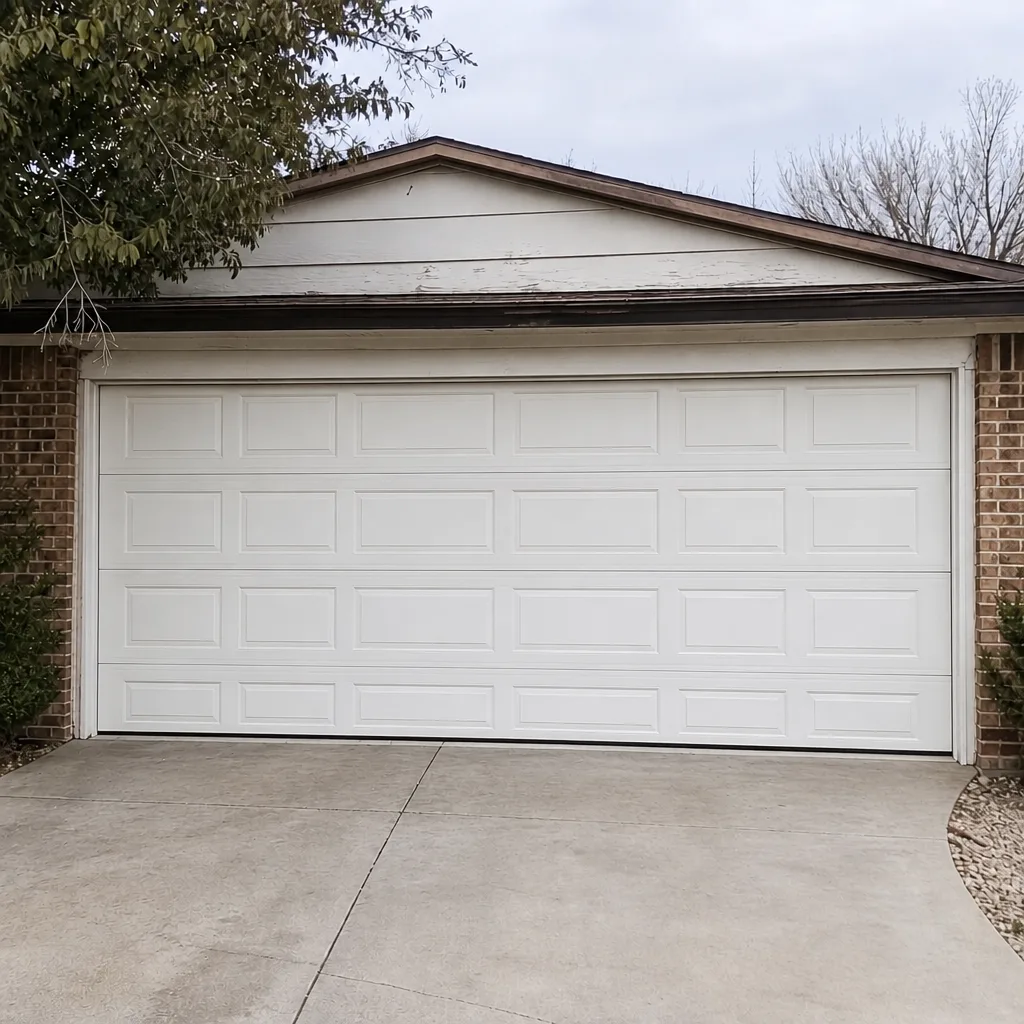
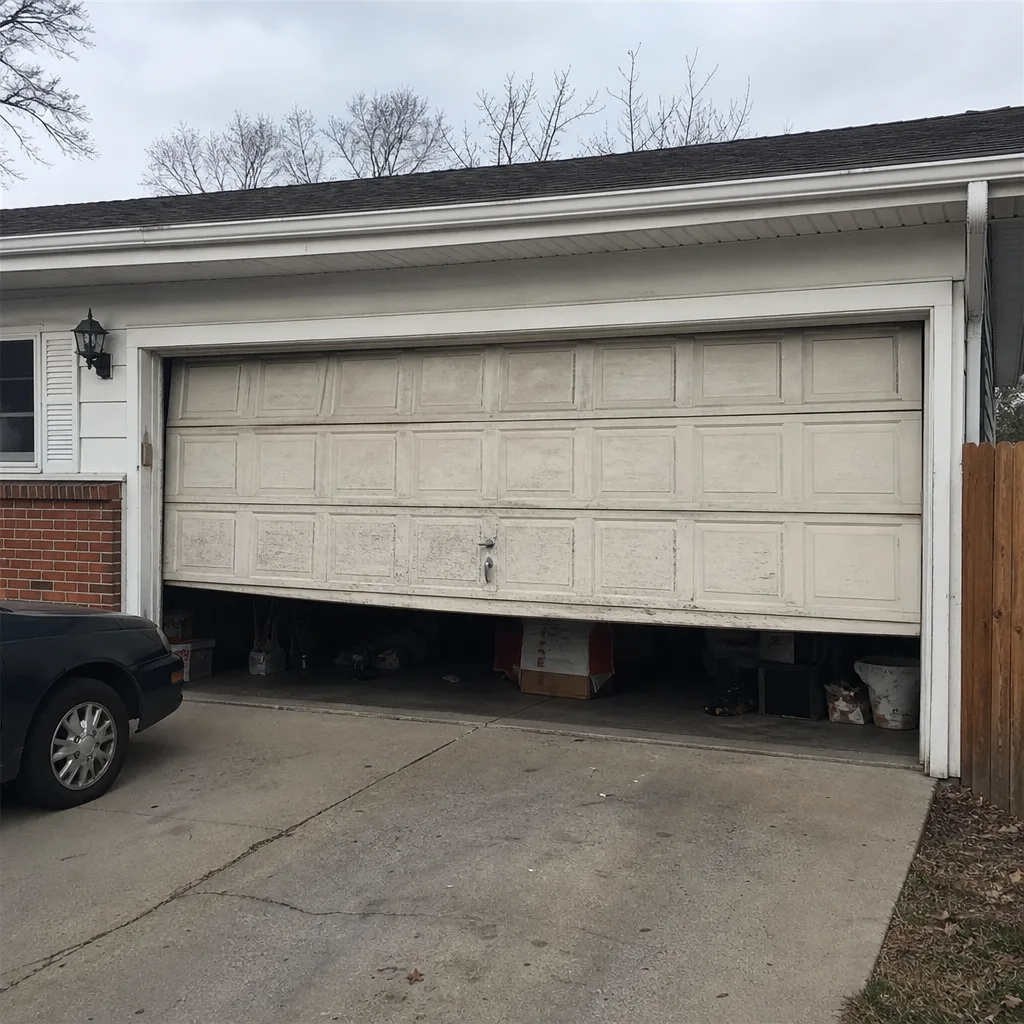
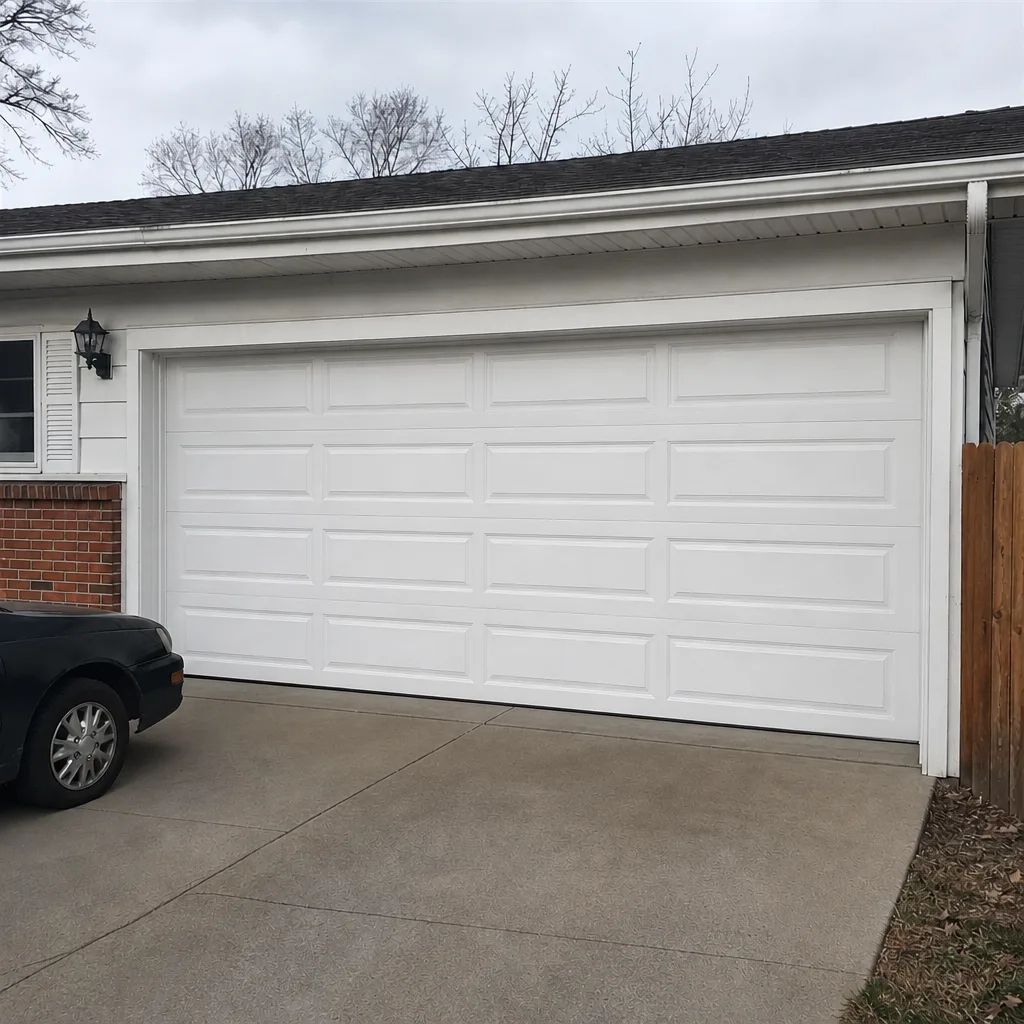
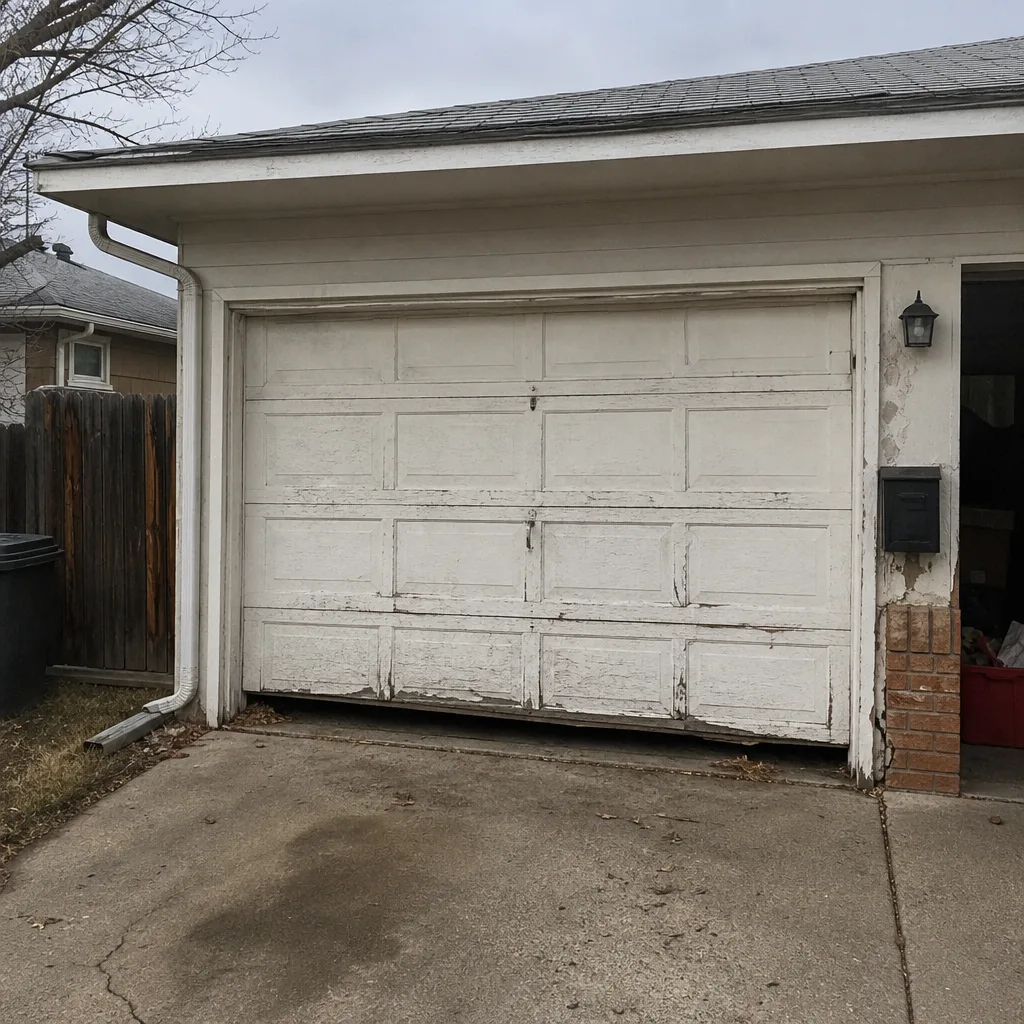
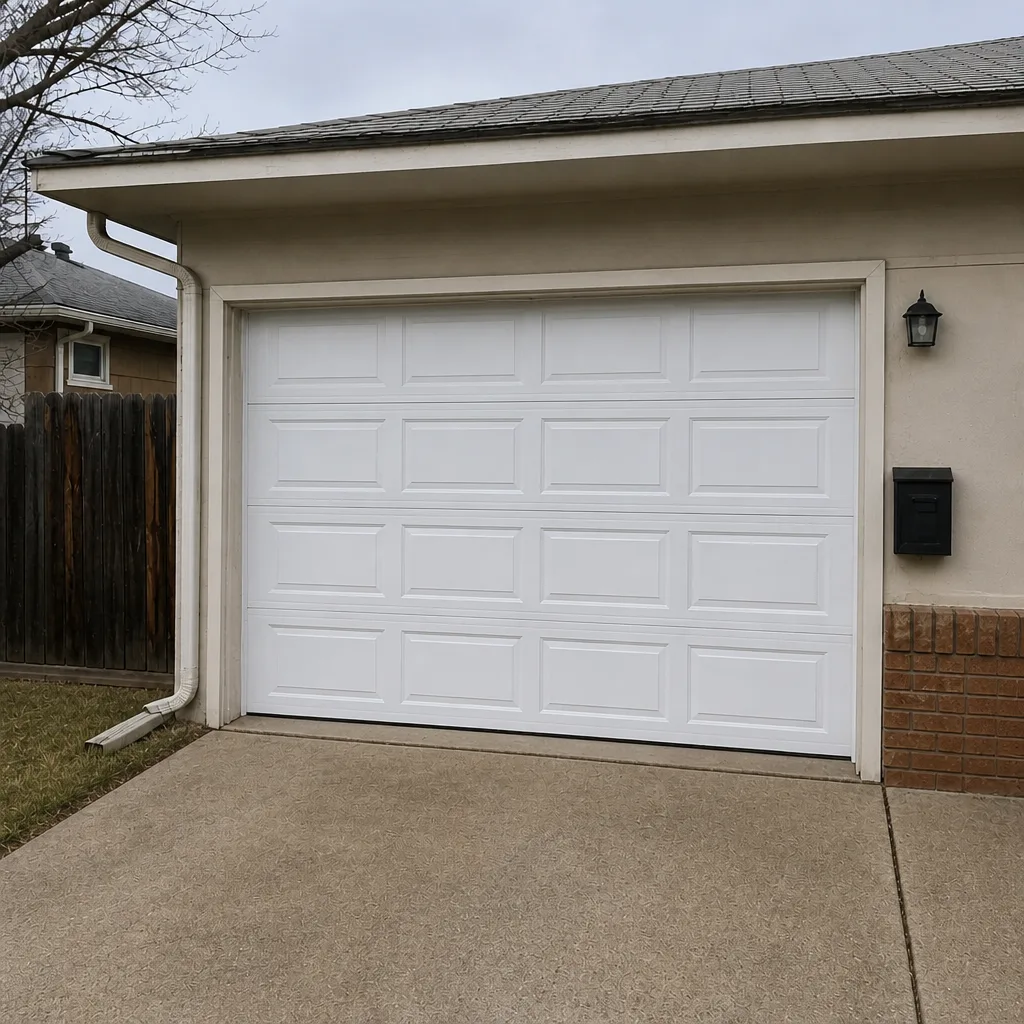
See the difference
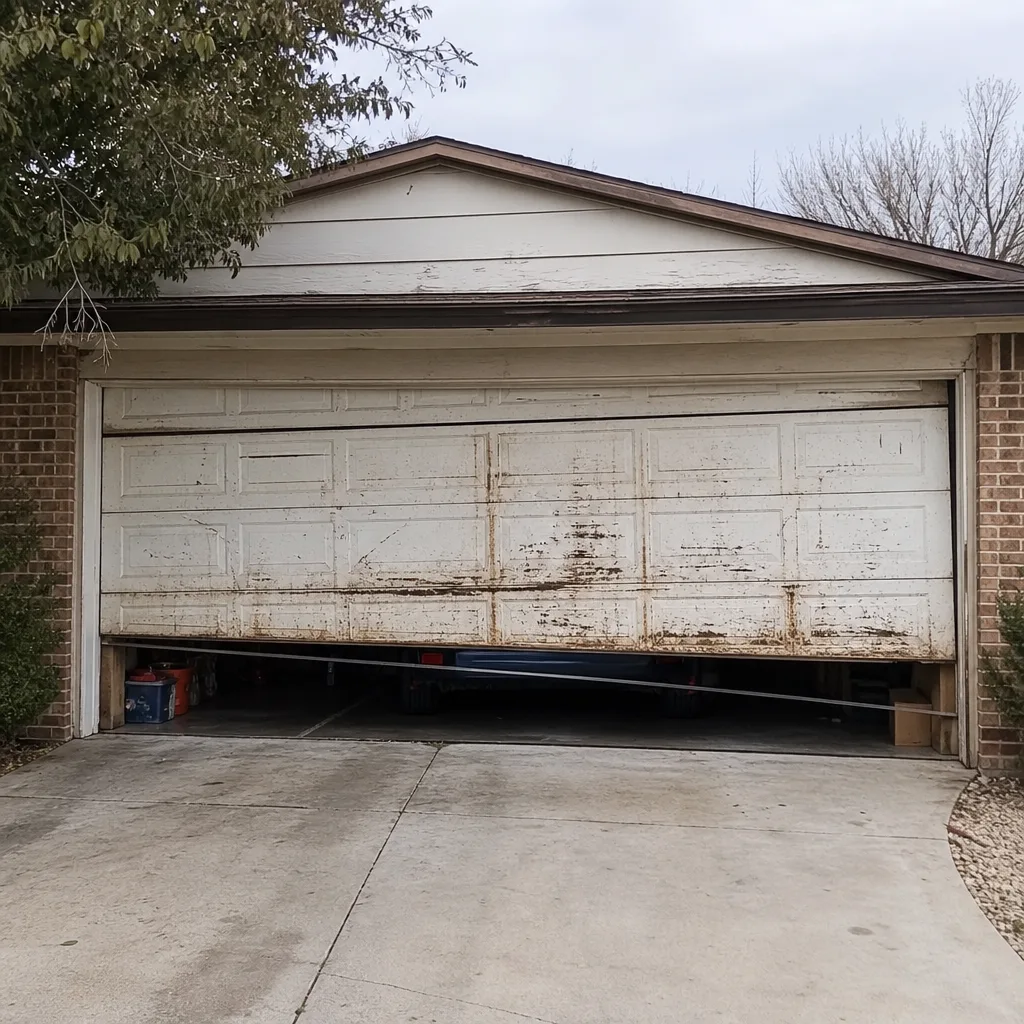 Before
 After
 Before
 After
 Before
 After
When to Call a Professional
Some things are worth trying to diagnose yourself. A door that doesn’t close because the sensor light is blinking is usually a sensor alignment issue, which is safe to check. A door that runs but sounds rough may just need lubrication. But some things are not DIY territory, and knowing the line matters for your safety.
Call a professional when you hear a loud bang from the garage and the door won’t lift, when the door is visibly off its track, when a cable looks frayed or broken, or when the spring itself looks stretched, bent, or broken. Do not attempt to lift a door with a broken spring or reach for a winding bar. Call a specialist. If your door won’t open and you need it addressed the same day, that’s what emergency service is for.
Englewood Garage Door Repair Pros offers free estimates. Call (833) 513-8729. We answer 24/7. Fast dispatch from 7am to 7pm, Sunday through Friday. A call outside dispatch hours is booked into the next opening.
Frequently Asked Questions
Garage door repair in Englewood is priced per job, and the exact amount depends on what’s wrong, what parts are needed, and the door’s condition. We don’t quote over the phone because that would be a guess, not a diagnosis. We inspect the door, explain what’s needed, and give you a written estimate before any work starts. Call (833) 513-8729 and we’ll set up a free estimate. We answer 24/7. Fast dispatch from 7am to 7pm, Sunday through Friday.
Yes, you should always verify licensing and insurance before work begins. In Colorado, licensing is handled at the local level rather than through a single statewide license, and the exact requirements vary. The safest approach is to ask any contractor to confirm their licensing and insurance in writing and to show proof before the appointment. A specialist will provide it without hesitation.
In our experience, no. Spring repair requires specific training, tooling, and an understanding of how tension is managed on a garage door. The spring is under high tension at all times, and handling it incorrectly is genuinely dangerous. A handyman who offers to replace a spring is telling you more about their willingness to try than their ability to do it safely. Use a specialist for spring work.
A fair quote is itemized, written, and given after an inspection. It separates parts from labor, states what’s included and excluded, and doesn’t change once the work begins unless you approve a change. If a contractor won’t put the quote in writing, won’t inspect first, or gives you a lump-sum number with no breakdown, those are signs to move on. A fair quote also explains what the tech found and why it needs fixing.
Call us at (833) 513-8729. We answer 24/7, and while dispatch runs Sunday through Friday from 7am to 7pm and we’re closed on Saturday, your call will be booked into the next opening. We’ll get a technician out to diagnose the problem and give you a written estimate before any work starts. If the door is stuck open or stuck closed, keep it secure and avoid forcing it, and we’ll get to you as soon as dispatch is available.
Yes, and that’s the advantage of hiring a specialist who covers both. A contractor who only handles repairs will need to hand you off to someone else when the door reaches the end of its life, and you’ll have to vet that person from scratch. A specialist who works across repair, opener service, and full installation means the person who already knows your door is the same person who can replace it when the time comes. Our opener repair service works the same way, with the same technicians.
The Bottom Line
Hiring a garage door contractor in Englewood comes down to three questions: are they licensed and insured, will they inspect before they quote, and do they work with your specific brand and model. Get those three in writing and you’ve already filtered out most of the risk. Add the spring questions (weight sizing, matched-pair replacement, spring grade) and you’ve filtered out the rest. The right specialist answers all of it without hesitation, because they’re routine questions for someone who does this work every day. The wrong contractor stumbles. Use the guide above to tell the difference, and if you want a specialist to just take a look, we’re a call away.
Englewood Garage Door Repair Pros is a residential garage door specialist serving Englewood. Our technicians have up to 11 years of experience with the brands that matter: LiftMaster, Chamberlain, Genie, Clopay, Amarr, Wayne Dalton, Craftsman, and Raynor. Call (833) 513-8729 for a free estimate. We answer 24/7. Fast dispatch from 7am to 7pm, Sunday through Friday.
Written by the team at Englewood Garage Door Repair Pros.