
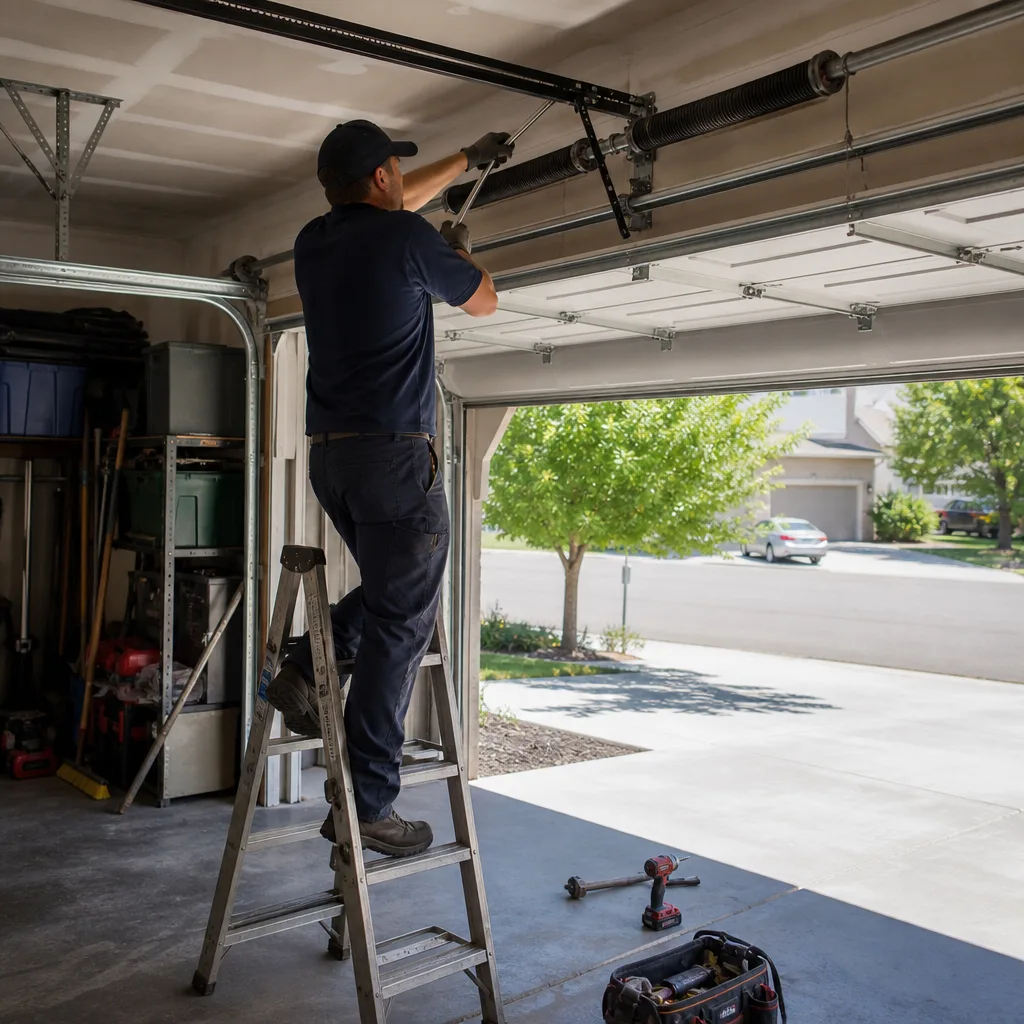
Last updated November 20, 2026
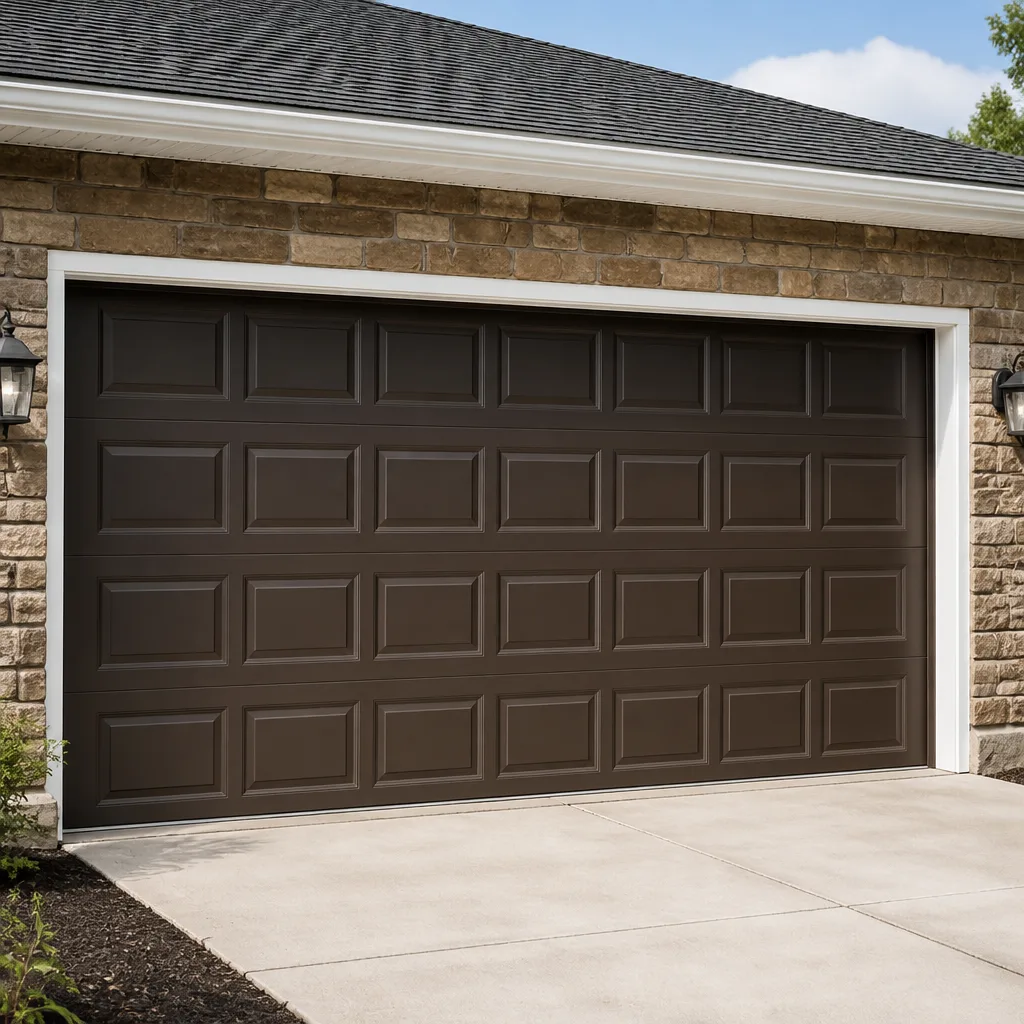 Raised-panel steel
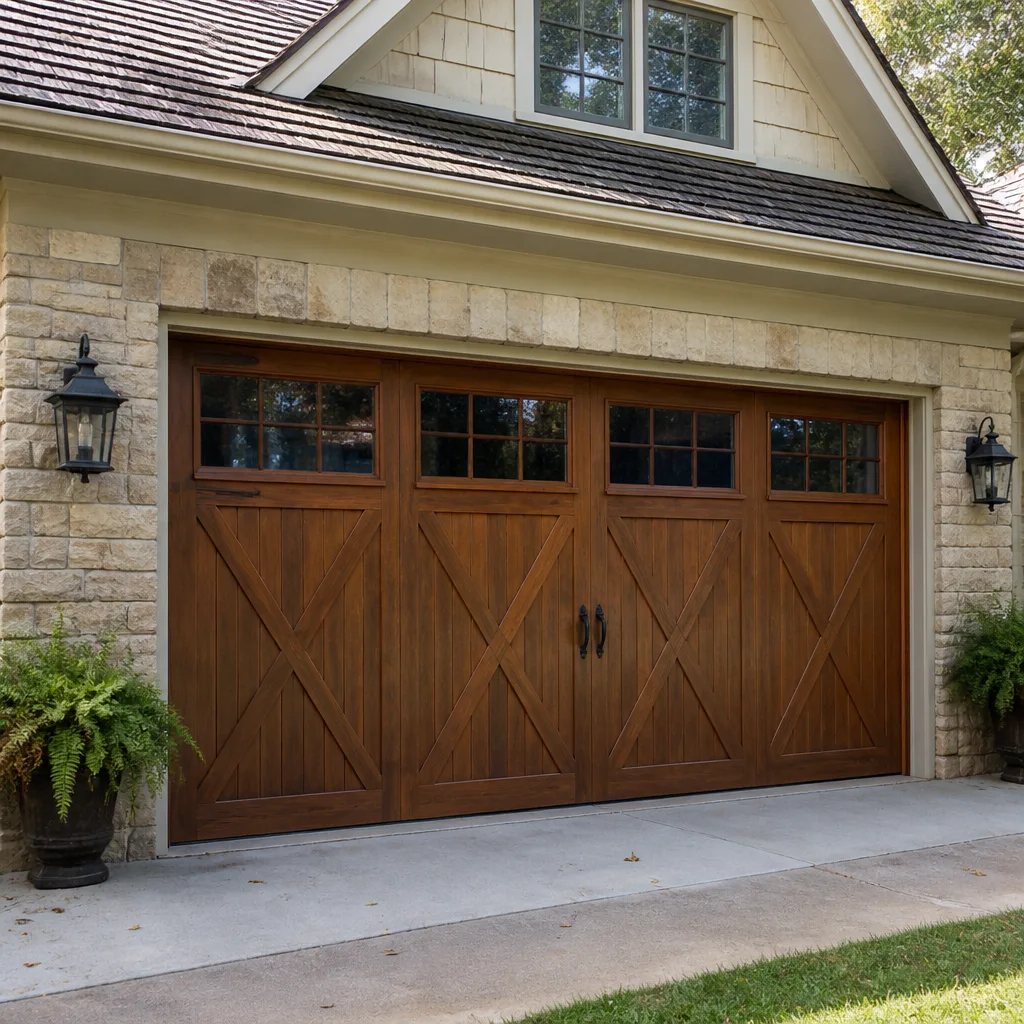 Carriage house
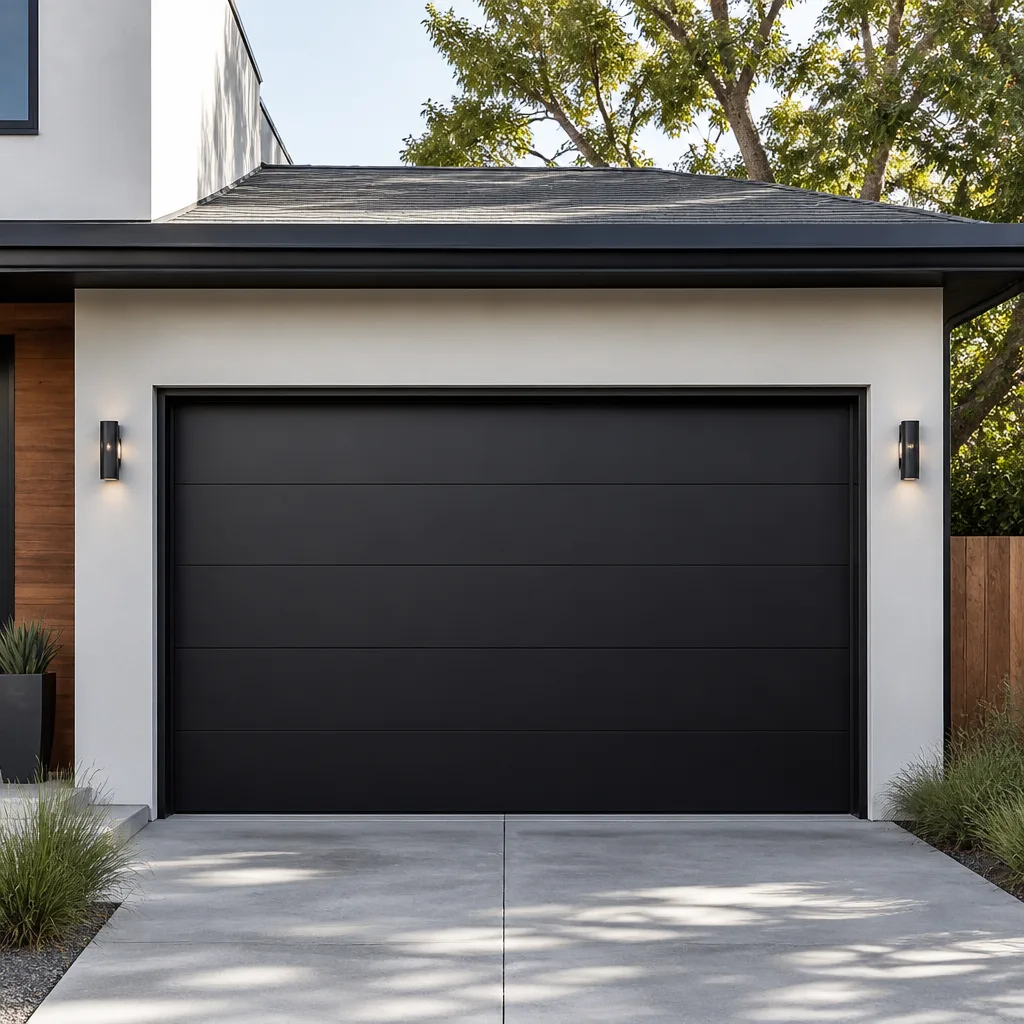 Modern flush
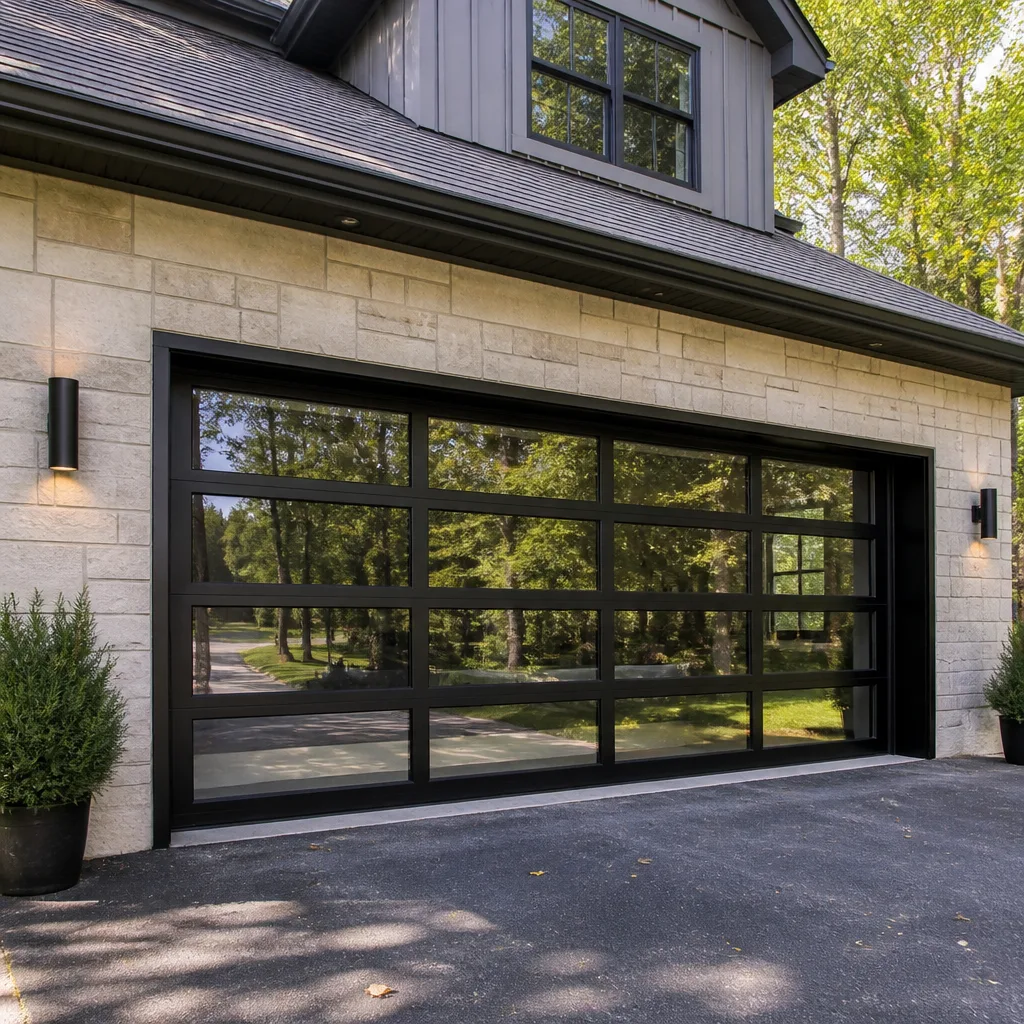 Full-view glass
 LiftMaster openers
 Chamberlain openers
Full 25-point door and opener safety check with every visit - springs, cables, rollers, tracks, and your LiftMaster or Chamberlain opener included
You get a price before we start. It does not change when the pro arrives.
Get your free estimateSeasonal Garage Door Care for Englewood: Year-Round Homeowner’s Guide
Most garage door care advice treats the year as four equal seasons, and that advice is written somewhere with mild weather. Englewood doesn’t work that way. Our calendar has two high-risk windows (deep winter and the spring transition) and two maintenance windows, and knowing which one you’re in changes whether you’re preventing problems or reacting to them. The “300 days of sunshine” Colorado is known for is part of the problem, not a break from it: UV wears panels and seals faster than a humid climate does, and the daily freeze-thaw between sunny afternoons and below-zero nights stresses hardware in ways a steady cold snap never does. This guide walks you through the whole year in Englewood, month by month.
Quick Answer
Seasonal garage door care in Englewood means two things: protecting the door from UV and heat during the sunny months, and protecting the springs and hardware during the freeze-thaw stretch from late fall through early spring. The single most useful habit is to do your winter prep in late September, not November, because that’s when the temperature swings that break hardware begin. Your reader gets the full month-by-month plan below.
Styles & brands we work with
- Raised-panel steel
- Carriage house
- Modern flush
- Full-view glass
- LiftMaster openers
- Chamberlain openers
Table of Contents
- Why Englewood Has Two Seasons for Garage Doors, Not Four
- The Month-by-Month Englewood Garage Door Calendar
- Why Late September Is the Right Time for Winter Prep
- How the Spring Transition Stresses Springs Differently
- Summer Heat and UV: Why South-Facing Doors Age Faster
- After a Hail Event: What to Check First
- The Five-Minute Monthly Check
- Neighborhood Notes: What Changes From Block to Block
Why Englewood Has Two Seasons for Garage Doors, Not Four
Think about how the door actually ages. It sits in the sun, cycles up and down, and hangs from springs that stretch and compress with every movement. In a wet climate, the main enemy is rust and corrosion. Here, it’s the sun and the temperature swing. Those aren’t four-season problems. They’re two distinct problems that each get a window of their own.
From roughly November through March, the door lives through daily freeze-thaw. Afternoon sun warms a metal panel, and it expands slightly. Overnight, the temperature drops well below freezing, and it contracts. That happens dozens of times per winter. Meanwhile the torsion or extension springs, which are under constant tension, are cycling through the same temperature range, and steel gets more brittle as it cools. That’s your high-risk window for spring failure and for hardware that loosens itself out of alignment.
The other high-risk window is the spring transition, when the days warm up fast but the nights stay cold. That swing is brutal on springs because they’re doing work while expanding and contracting at the same time. In between, from late spring through early fall, conditions are more forgiving and the work shifts to UV protection and inspection.
So the fix isn’t complex. It’s timing. Get ahead of the deep cold in late September. Watch the springs closely through the thaw. Use the warm months for the UV care and the inspections you don’t want to skip. Everything else in this guide hangs off that framework.
Quick reference, so the whole year fits on one page:
- Late September: winter prep completed, before the first hard freeze (maintenance window).
- October through November: inspect springs and lubricate as temperatures drop (maintenance window).
- December through March: the high-risk stretch. Watch, don’t stress the door unnecessarily.
- April through May: spring transition. Listen for the door every morning.
- June through August: UV and heat window. Wash, inspect seals, treat panels.
- After any hail event: inspect before doing anything else.
The Month-by-Month Englewood Garage Door Calendar
This is the section we get asked about most: what should I actually do, and when? Here’s a month-by-month plan built around how Englewood actually weathers a year, not the generic four-season model.
January and February. The deep cold stretch. You’re not doing much active maintenance here, and that’s the point. If the door gets stiff or sluggish, don’t force it. Cold thickens lubricant and stiffens seals, so a door that moves a little slower on a sub-freezing morning isn’t necessarily broken. What you should do is listen. A grinding sound, a snap, or a door that hangs partway down is a sign to stop operating it and get the garage door spring repair help you need. Never try to fix a spring yourself. Torsion and extension springs are under extreme tension, and a failure while you’re working near them can cause serious injury.
March. The freeze starts to loosen. The thaw begins and the temperature swing grows. This is the month to watch for sagging or a door that pulls unevenly. It’s also when we see spring problems surface, because the springs have just been through weeks of cycling in cold.
April and May. The spring transition. The days can swing 40 degrees or more from morning to afternoon, and the springs feel every bit of it. This is the time to listen carefully and note any change in how the door sounds. It’s also a good time to schedule an opener check if you’ve been noticing the door reversing or stopping short. If you need garage door opener repair, better to catch it now than in July.
June, July, August. The sun and heat window. UV beats down on any door facing south or west, and the panels and weather seals take the hit. Wash the door to remove dust and pollen that hold moisture against the finish, and inspect the bottom seal for cracking. This is also a sensible time to schedule an inspection if you haven’t had one.
September. The prep window. This is the big one, and it’s earlier than most people think. We’ll cover why in the next section.
October and November. Once the first hard freeze arrives, you’re in the high-risk stretch. A lubricant application and one last visual check are about all that’s sensible. Don’t wait until the first freeze to prep, because by then the door has already been stressed.
December. Holiday season. If there’s ever a month you don’t want a door failure, it’s this one. That’s a good reminder to have done the September prep.
Why Late September Is the Right Time for Winter Prep
Most homeowners plan for winter prep in November, after the first cold snap gives them a reason to think about it. In Englewood, that’s too late. By the time you feel the first real freeze, the door and its hardware have already been cycling through cold nights and warm afternoons for weeks. The damage window opens before the bulk of the cold arrives, so prep needs to happen while the weather is still mild.
Late September gives you a comfortable working window. The days are still warm enough to wash and inspect the door, check the seals, look the hardware over, and address anything that’s marginal. Do that work in November and you’re doing it outside in the cold, on a door that’s already being stressed.
Here’s what “winter prep” actually means for an Englewood door. You don’t need to dismantle anything. You’re checking and protecting:
- Lubricate the moving parts. A garage door lubricant, not a general-purpose oil, on the hinges, rollers, and the track where the rollers travel. This matters most in cold weather, because a dry hinge gets sluggish and wears faster as the temperature drops.
- Look at the springs. Visible rust, a gap in a torsion spring, or a sagging door means get it inspected. This is not a visual check you do to then repair it yourself. Look, and report.
- Inspect the bottom seal. Cold air gets under a cracked seal, and a seal that’s already weathered will only worsen.
- Check the weatherstripping around the frame. Same logic. Any daylight or draft you can feel today becomes a bigger gap in January.
- Test the safety reverse. There’s a standard way to test the reversing feature on most openers, and doing it before winter catches any control issue while the weather is still good for an adjustment.
One more reason September matters: it’s the month when demand from other homeowners is still relatively low. If you do need a repair, you’re more likely to get a convenient appointment than you will in the middle of winter, when everyone else is calling about the same problems. Scheduling in late September keeps you out of the cold-weather rush.
If you’ve never had a professional look the door over, a pre-winter inspection is the lowest-drama way to find out whether your springs are near the end of their life. We’d rather tell you now than have you find out at the worst possible moment.
How the Spring Transition Stresses Springs Differently
A sustained cold snap and a Colorado-style thaw stress springs in two very different ways, and it’s worth understanding why the spring transition is the sneaky part of the year for hardware.
In steady cold, the springs are cold and brittle, but the temperature is relatively constant. The metal settles into a state and stays there. There’s less internal expansion and contraction, so the stress on the springs is mostly mechanical: they’re doing the lifting work in cold conditions where the rest of the hardware is stiff.
The spring transition is different. The days warm up dramatically and then the nights drop back down. That 40-degree swing between a sunny afternoon and a cold night means the spring lengthens and then shortens through expansion and contraction, and it’s still being asked to do its job. The metal is being pushed and pulled in two ways at once. That’s why a spring that survived all of January can fail in April.
What you’ll notice, if you’re paying attention:
- The door sounds different in the morning than in the afternoon. That’s the spring and the track reacting to temperature.
- The door moves a little more freely on a warm afternoon and more stiffly on a cold morning.
- A spring that’s near the end of its life may make a sound you haven’t heard before: a pop, a creak, a sharp twang.
What you should do: listen, and don’t ignore a change. If a spring snaps, the door will typically fall to one side or hang partway. Do not try to open or close it, and do not attempt to loosen the spring yourself. That’s the moment to call for professional spring repair. The garage door spring repair we handle is a safety-first job for exactly this reason, and it’s the one repair we want homeowners to understand is not a do-it-yourself task.
During the transition, also keep an eye on the safety reverse. If the door reverses unexpectedly or stops short, that’s a control issue that often shows up in shifting temperatures, and it’s worth a check before it strands the car.
Summer Heat and UV: Why South-Facing Doors Age Faster
People assume the cold is the hard part for a garage door in Colorado. The sun is a close second, and a lot of Englewood doors face it directly. A door with a southern exposure gets the full afternoon sun for months, and that exposure does slow damage that shows up over years, not weeks: panels fade and chalk, seals dry and crack, the finish loses its resistance, and the whole door starts to look older than it is.
Fading is the most visible symptom, but it’s not the only one. The weather seal along the bottom and the frame shrinks and cracks faster under UV, which creates gaps. A chalky, oxidized panel surface holds dust and pollen, and that traps a thin layer of grime against the finish. The southern exposure also means the metal gets hot during the day, so the afternoon expansion and evening contraction is that much more pronounced. It’s the same physics as the winter freeze-thaw, just driven by heat instead of cold.
What actually helps:
- Wash the door during the warm months. A simple wash with mild soap removes the dust and pollen that hold moisture against the finish. Do it on a cloudy or cooler day so the soap doesn’t dry on the surface.
- Inspect the bottom seal and the frame weatherstripping. Run your hand along it. Cracks, brittleness, or pieces coming loose mean it’s due for replacement.
- Consider the finish. If the paint or factory finish is chalking or fading, that’s a sign it’s lost some of its protection. Repainting or refinishing in a suitable product is a warm-weather job.
- Shade helps more than you’d think. A shade tree or even a shade screen over the door on a south-facing exposure reduces the amount of direct sun it takes. Not always practical, but worth thinking about if you’re planning landscaping near the front of the house.
Brands like Clopay and Amarr build finishes designed to hold up to sun, but no finish is immune to a decade in direct Colorado sun. If your door is older and the finish is failing, that’s a fair question for a professional inspection. You may be looking at refinishing, and you may be looking at a door that’s simply at the end of its life. The same company that repairs a Clopay or an Amarr panel can supply and install a full new door system if that’s where the inspection lands, so it’s one call either way.
After a Hail Event: What to Check First
Englewood gets its share of hail, and a hailstorm is the one event where the order you do things in matters. The morning after, resist the urge to open and close the door to “see if it works.” A damaged panel or a bent track can cause the door to jam or come off its track if you cycle it first.
Go through it in this order:
- Look at the panels from the outside. Dents, cracked paint, or deformation on the panel surface are the first thing to check. Note where they are.
- Check the seals and weatherstripping. Hail doesn’t have to hit a panel to tear a seal. A damaged bottom seal or frame seal lets weather in.
- Look at the track and hinges. A strike that bent the track or loosened a hinge is the thing most likely to cause a jam later. If the track looks out of line, stop and call.
- Test the door carefully. If the panels, track, and seals all look intact, open and close it slowly and watch and listen. Any grinding, catching, or uneven movement is a stop.
- Document the damage. Photos and a written note of what you found help if you’re working with your insurer. We can work with your insurer on a claim, but the inspection and the written estimate come first.
The reason to check promptly is compounding. A dented panel that goes unremarked can let water in behind the finish, and a tweaked track that isn’t corrected can wear a roller and the seal around it. What starts as a cosmetic dent turns into a bigger repair if you let it ride through a few more storms. Hail is also the most common way a Wayne Dalton or Genie-equipped door ends up needing a panel replacement or a full door replacement rather than a repair. Getting it looked at early keeps your options open.
The Five-Minute Monthly Check
You don’t need to be a technician to keep an eye on your door. Five minutes once a month, done consistently, catches most problems early. Here’s the routine we suggest to Englewood homeowners:
- Look at the door from the outside in daylight. Panels even, finish intact, no dents or rust spots.
- Open and close it once, and listen. A well-running door sounds smooth and even. A new grinding, screech, or pop is your signal.
- Watch the balance. A door that seems to sag on one side or drops hard at the end is telling you something about the springs or the track.
- Check the seals. Bottom seal and the frame weatherstripping. Run your hand along them.
- Test the safety reverse. Every month or so, confirm the door reverses when it meets an obstruction. If it doesn’t, stop using the door until it’s checked.
Keep a small log if it helps: the date, what you noticed, anything that changed. When you do call for service, that log is useful. It tells a technician what’s normal for your door and what isn’t.
One habit worth building that isn’t on the list: don’t force a stuck door. If it’s stuck, whether it’s the cold or something mechanical, forcing it is how a small issue becomes a bigger one. If you’re ever not sure, a quick call for garage door repair is cheaper than a new door.
Neighborhood Notes: What Changes From Block to Block
Englewood isn’t one uniform climate pocket, and where your house sits in the city shapes what your door sees over a year. It’s a small city, but it has real variation.
Homes on the south and west side of town take more direct afternoon sun, which makes the UV and heat window the dominant concern. Finishes fade faster, seals dry faster, and the summer maintenance matters more than it might elsewhere. If your door faces that exposure, plan on washing it more often and checking the seals on the warm side of the calendar.
Treed streets and blocks with mature landscaping get more shade, which helps on the UV side but can hold moisture near the door and the frame. If your door sits under trees, pay closer attention to the seals and the frame weatherstripping, because they’re the parts that live in that moister microclimate.
Older garages around Englewood’s established neighborhoods often have older doors, and older doors wear differently. A door that’s been in place for a while has probably been through more than one hail season, and its panels and finish show the accumulation. If your garage is original to the house, an inspection is especially worth it, because you may be dealing with more than one issue stacked on top of each other.
Newer construction tends to have insulated doors with modern openers. Those benefit most from opener checks during the spring transition, when control issues show up, and from UV care in the summer. The brands vary too: a newer home might have a Clopay door with a Chamberlain opener, and an older one might have a Wayne Dalton door with a Genie unit. The care calendar is the same, but the details of what to check change with the model, so it helps to know what you have.
Wherever you are in Englewood, the framework holds: protect the door in the sun window, protect the springs in the cold window, and check after hail.
Common Mistakes to Avoid
We’ve seen the same seasonal mistakes come up again and again in Englewood. If you can avoid these, you’ll be ahead of most homeowners.
- Waiting until November to prep for winter. By then the freeze-thaw has already started, and you’re doing the work in the cold on a door that’s already been stressed. Late September is the time.
- Lubricating with the wrong product. General household oil on the tracks or hinges attracts dust and gunks up in cold weather. Use a garage door lubricant, and don’t overdo it.
- Ignoring a sound change after the spring transition. That pop or grind in April is the sound of a spring problem arriving. Catch it then, not in the middle of a winter commute.
- Cycling the door right after a hail event without inspecting it first. A bent track or damaged panel can jam the door or knock it off its track. Look before you move it.
- Forcing a stuck door. Cold mornings make doors sluggish, and forcing them is how a minor issue becomes a major repair. If it’s stuck, call.
- Skipping the monthly safety reverse test. It’s the one test that protects the people and pets in the garage, and it’s easy to forget.
- Assuming an old door just needs a fresh coat of paint. Sometimes it does, and sometimes the finish is telling you the door is near the end of its life. A professional look settles the question.
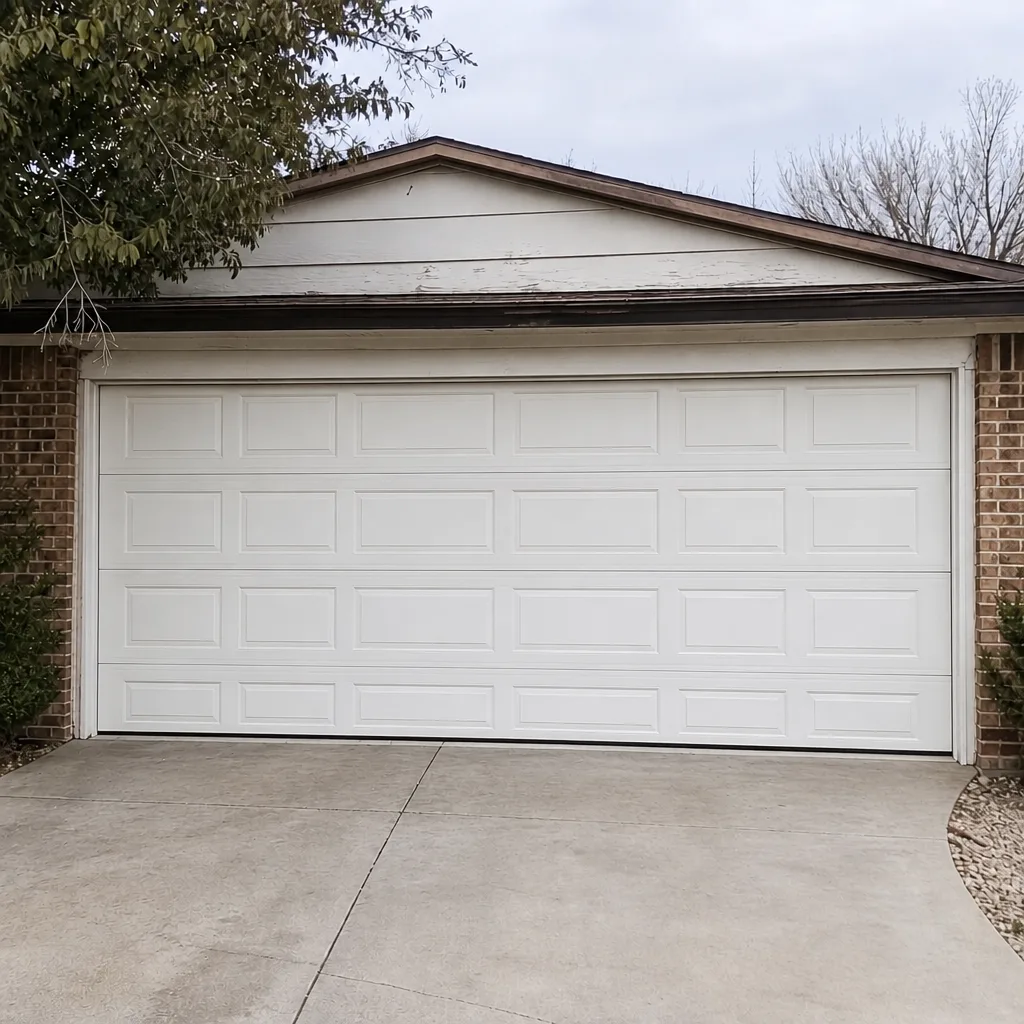
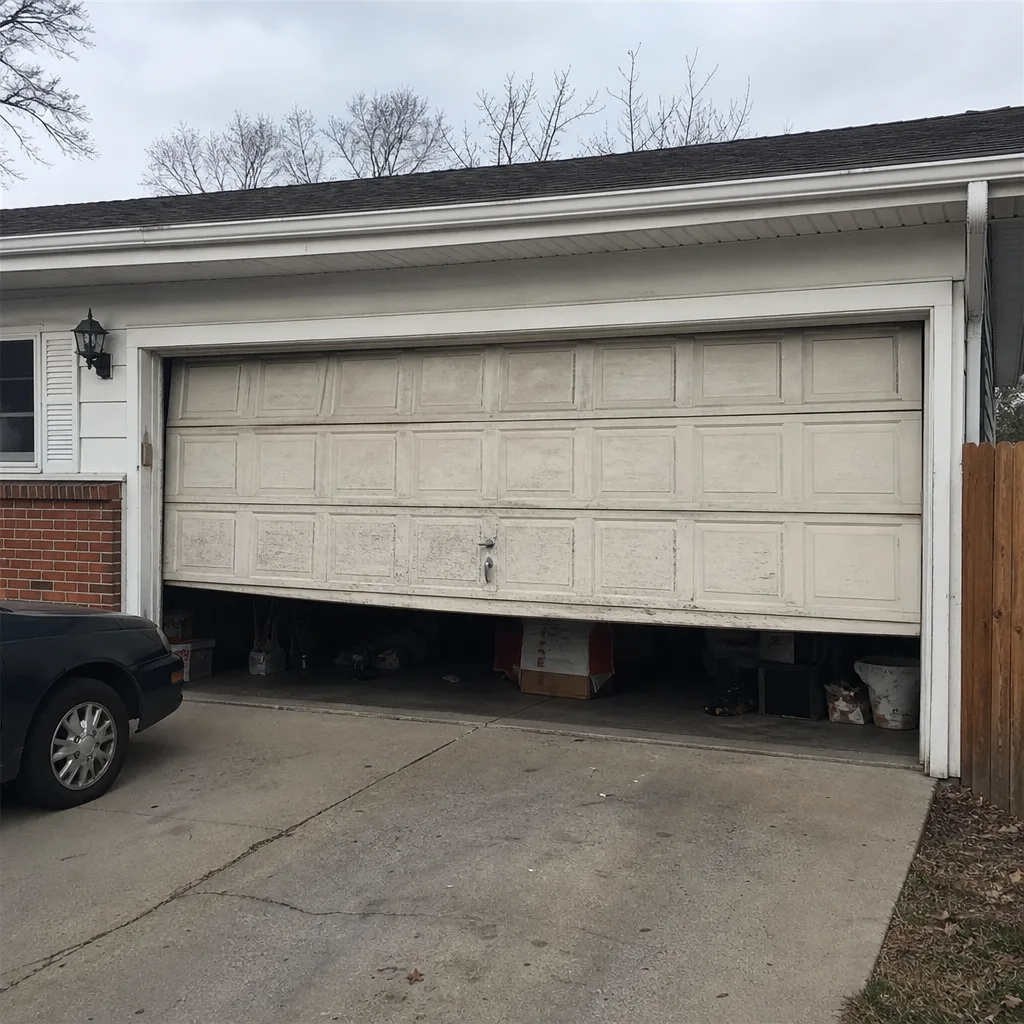
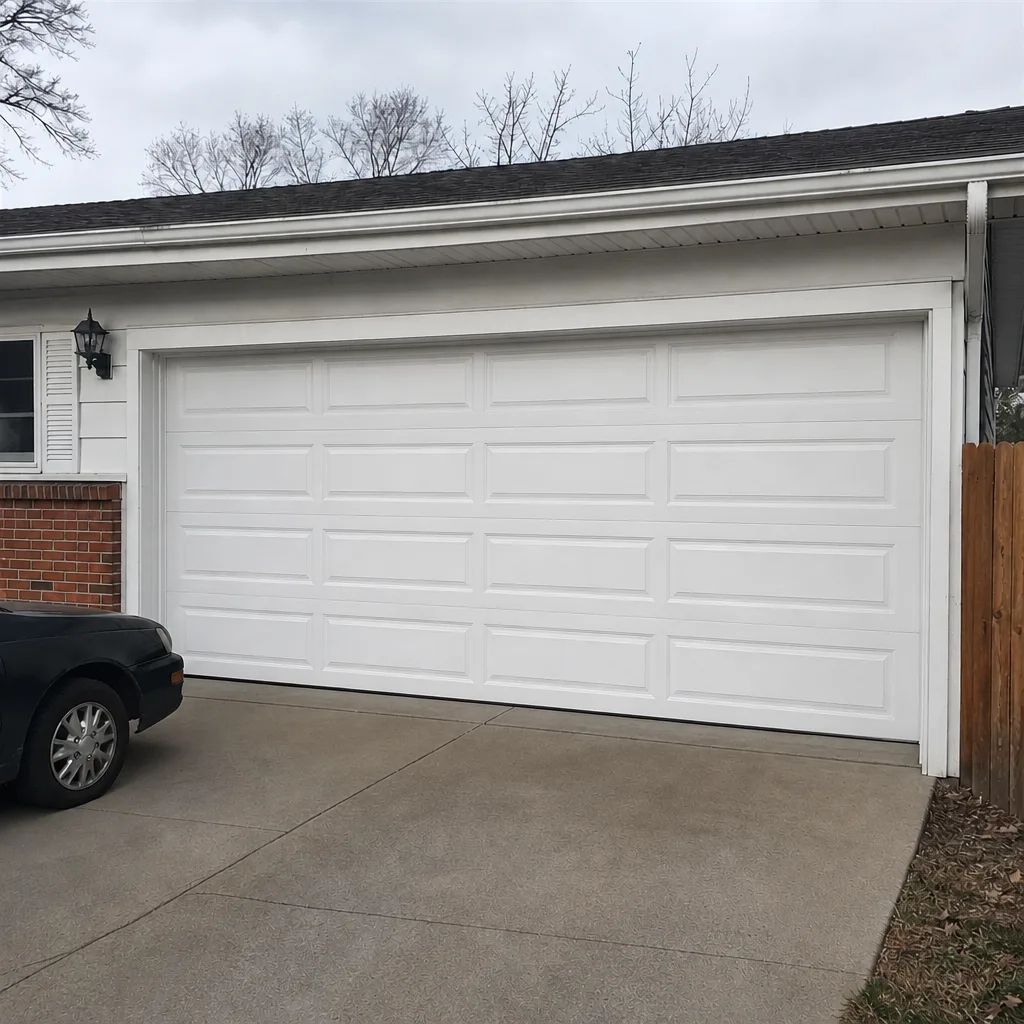
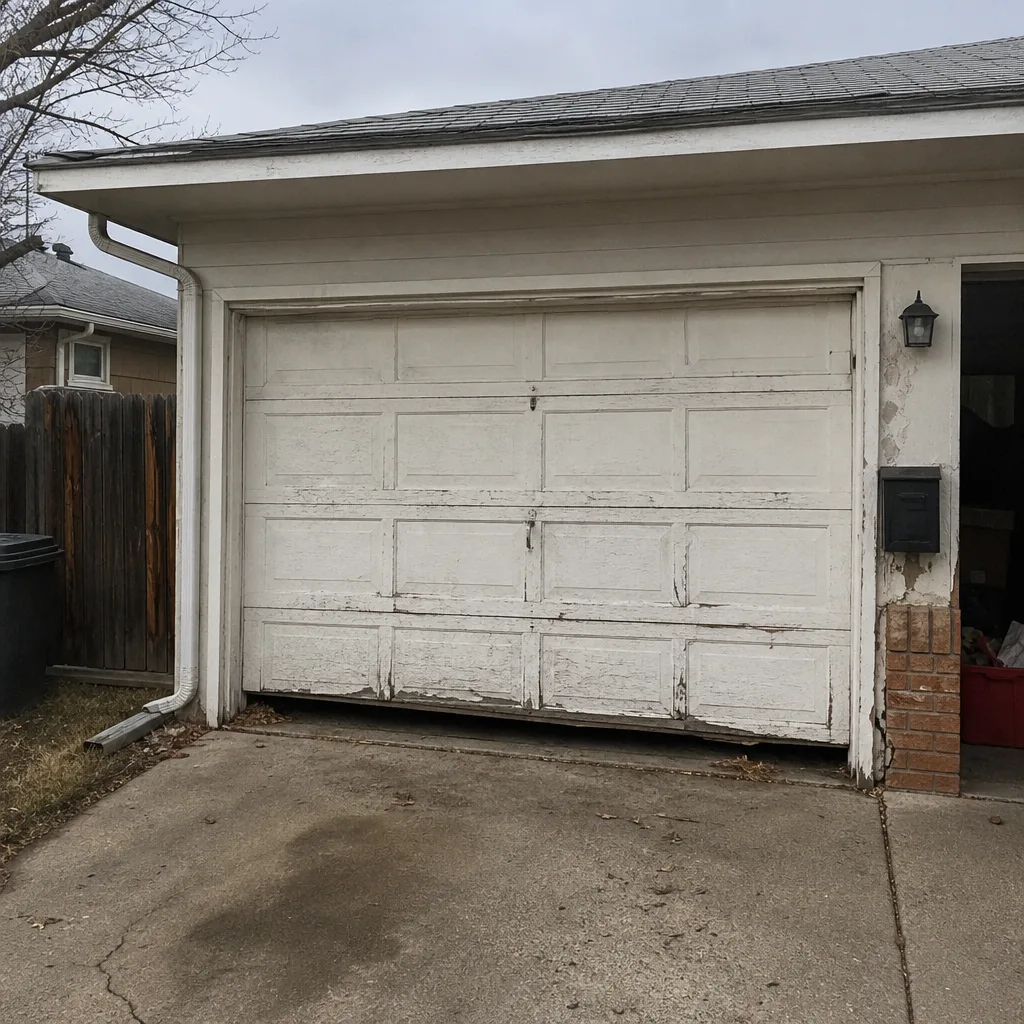
See the difference
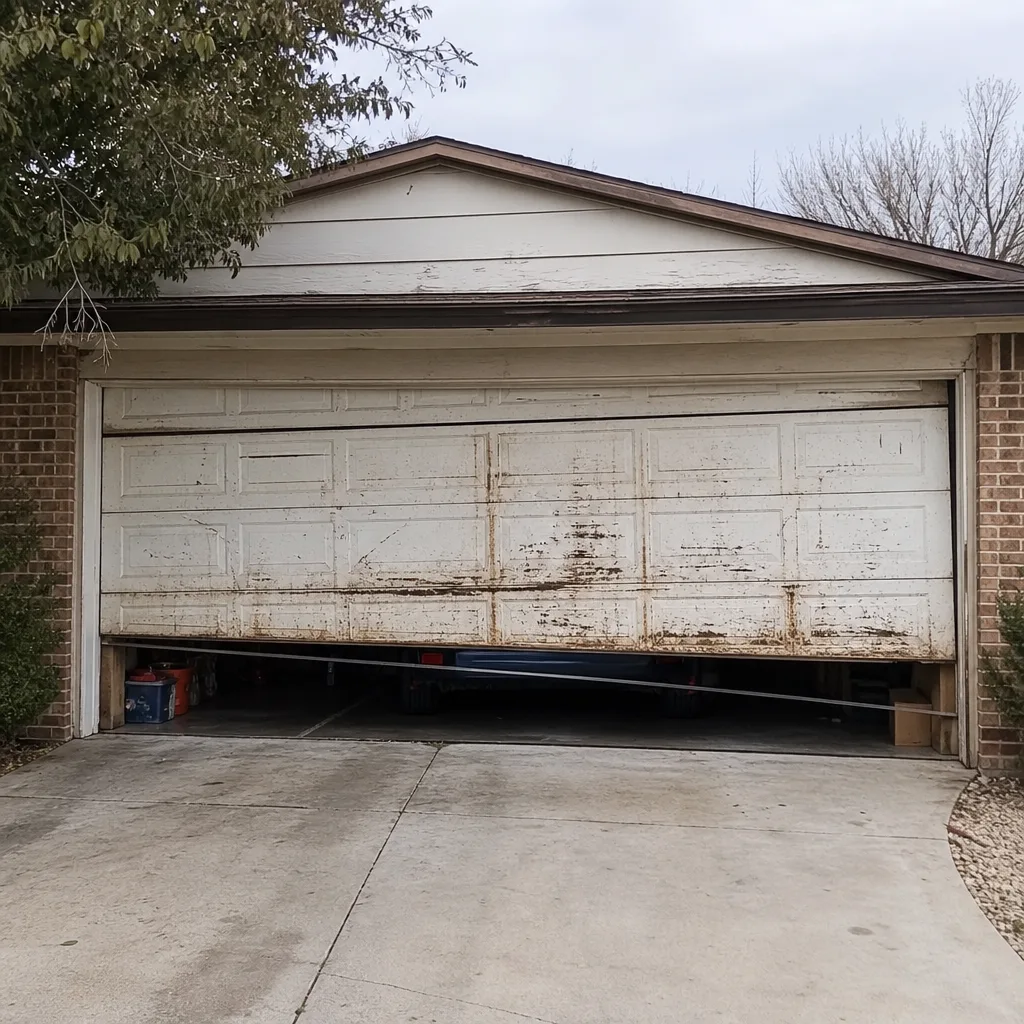 Before
 After
 Before
 After
 Before
 After
When to Call a Professional
Some care is yours to do: washing the door, checking the seals, running the monthly test. Some of it isn’t, and trying to do it yourself is a real risk. Call a professional if a spring breaks or sags, if the door comes off track, if it’s grinding or catching, if the safety reverse isn’t working, or if you’ve had a hail event and the panels, track, or seals are damaged. That last one is worth a call even if the damage looks minor, because a quick inspection now is cheaper than a compounded repair later. Englewood Garage Door Repair Pros offers free estimates in Englewood, and we answer 24/7 with fast dispatch from 7am to 7pm, Sunday through Friday. Call (833) 513-8729.
Frequently Asked Questions
Late September is the right time, not November. The freeze-thaw pattern that stresses springs and hardware starts well before the coldest stretch, so you want lubrication, seal inspection, and a spring check done while the weather is still mild. If you wait until the first cold snap, the door has already been through weeks of daily expansion and contraction, and you’re doing the work outside in the cold. Call (833) 513-8729 for a free estimate if you want an inspection before then. We answer 24/7, with fast dispatch from 7am to 7pm, Sunday through Friday.
Because the spring transition brings big daily temperature swings, not steady cold. A 40-degree swing between a warm afternoon and a cold night pushes the spring to expand and contract while still doing its lifting work, so the metal is stressed in two ways at once. That’s why a spring can survive all of January and fail in April. If a spring snaps, don’t touch it: it’s under extreme tension and is the most dangerous part of the door to work near. Call us for professional spring repair, and don’t operate the door. Call (833) 513-8729 for a free estimate. We answer 24/7, with fast dispatch from 7am to 7pm, Sunday through Friday.
Yes, and a south- or west-facing door takes the most. UV fades and chalks the finish and dries out the weather seals, and heat-driven expansion during the day adds to the cycling the door goes through. The practical fix is washing during the warm months, inspecting the seals, and getting the door refinished or looked at if the finish is failing. If your door is older and the finish is going, an inspection tells you whether it’s a refinishing job or a replacement. Call (833) 513-8729 for a free estimate. We answer 24/7, with fast dispatch from 7am to 7pm, Sunday through Friday.
Inspect before you move the door. Look at the panels from the outside, check the bottom seal and frame weatherstripping, and look at the track and hinges for bending or loosening. Only if all of that looks intact should you open and close the door, and do it slowly while watching and listening. If the track is bent or a panel is deformed, stop and call, because cycling the door can jam it or knock it off track. Call (833) 513-8729 for a free estimate and we can work with your insurer if a claim is involved. We answer 24/7, with fast dispatch from 7am to 7pm, Sunday through Friday.
It depends on the job, and the price is set per job by the written estimate. A simple inspection and lubrication is one thing; repairing a spring, replacing seals, or addressing storm damage is another. What we can tell you is that the estimate is free, and the written estimate sets the final price before any work starts, so you’re not looking at a surprise when the job is done. Call (833) 513-8729 for an exact quote. We answer 24/7, with fast dispatch from 7am to 7pm, Sunday through Friday.
You can and should do the monthly visual checks, the wash, and the safety reverse test. What you shouldn’t do is work on springs, tracks, or opener wiring yourself. Springs are under extreme tension and are the one part of the door that causes serious injury when handled without training. If a check turns up a problem with the springs, the track, or the opener, that’s the point to bring in a professional. Call (833) 513-8729 for a free estimate. We answer 24/7, with fast dispatch from 7am to 7pm, Sunday through Friday.
The Bottom Line
Englewood’s year for garage doors comes down to timing, not effort. The climate here gives you two high-risk windows and two maintenance windows, and the goal is to be ahead of the high-risk ones. Prep for winter in late September. Watch the springs through the spring transition. Wash and inspect the door through the sunny months. Check carefully after hail. Run the five-minute check monthly, and know which jobs are yours and which belong to a professional, especially anything involving springs. If you want a second opinion on where your door stands right now, we’re glad to help.
Englewood Garage Door Repair Pros is your specialist for your exact brand and model, from a single broken cable to a full new door. Our technicians have up to 11 years of experience, and we work with LiftMaster, Chamberlain, Genie, Clopay, Amarr, Wayne Dalton, Craftsman, and Raynor. Call (833) 513-8729 for a free estimate. We answer 24/7. Fast dispatch from 7am to 7pm, Sunday through Friday, and we’re closed on Saturday.
Written by the team at Englewood Garage Door Repair Pros.