
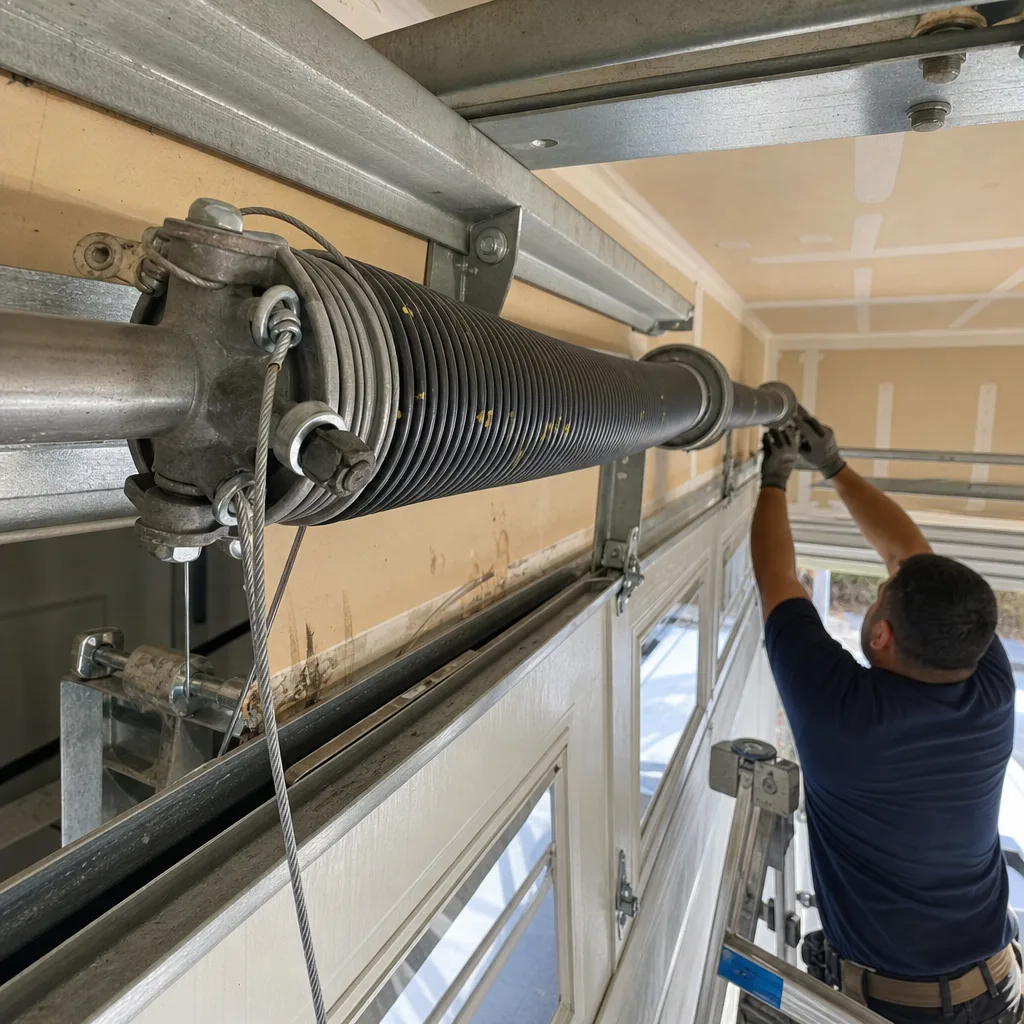
Last updated November 20, 2026
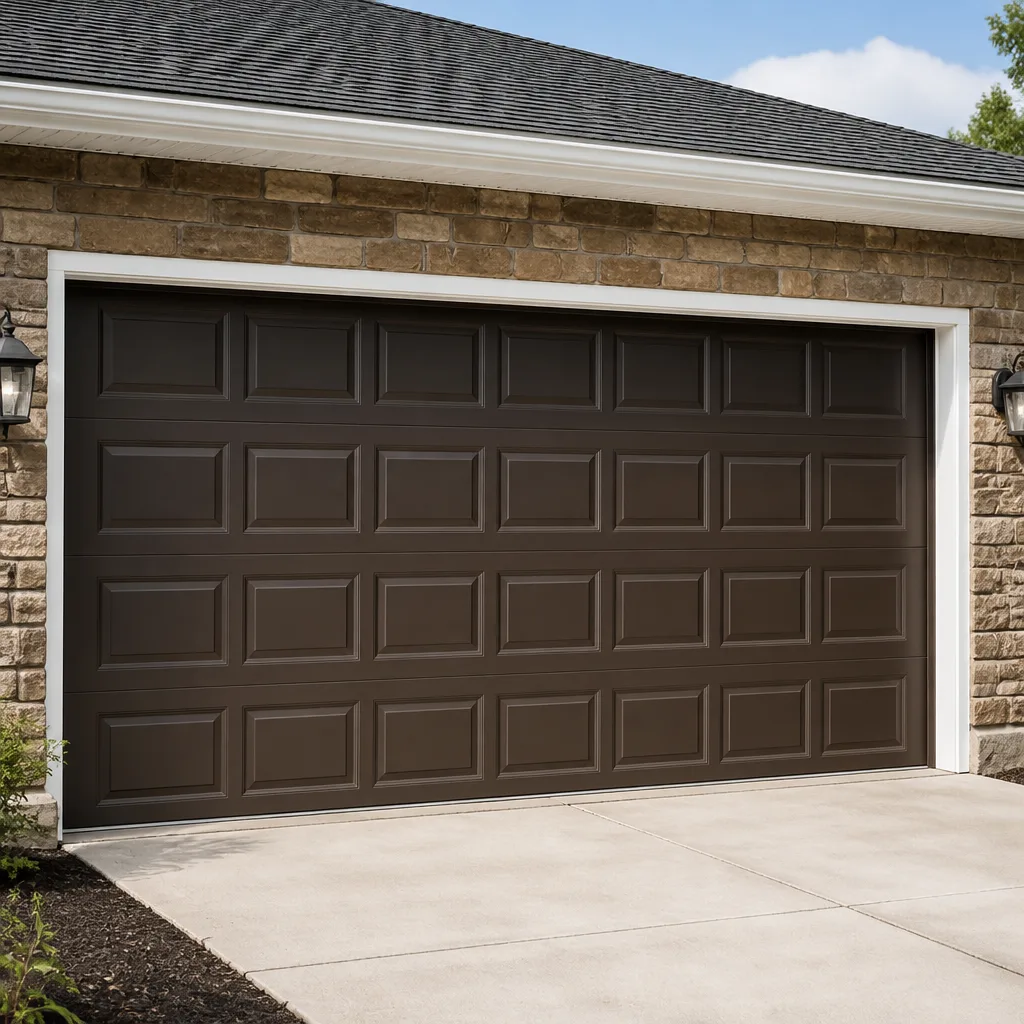 Raised-panel steel
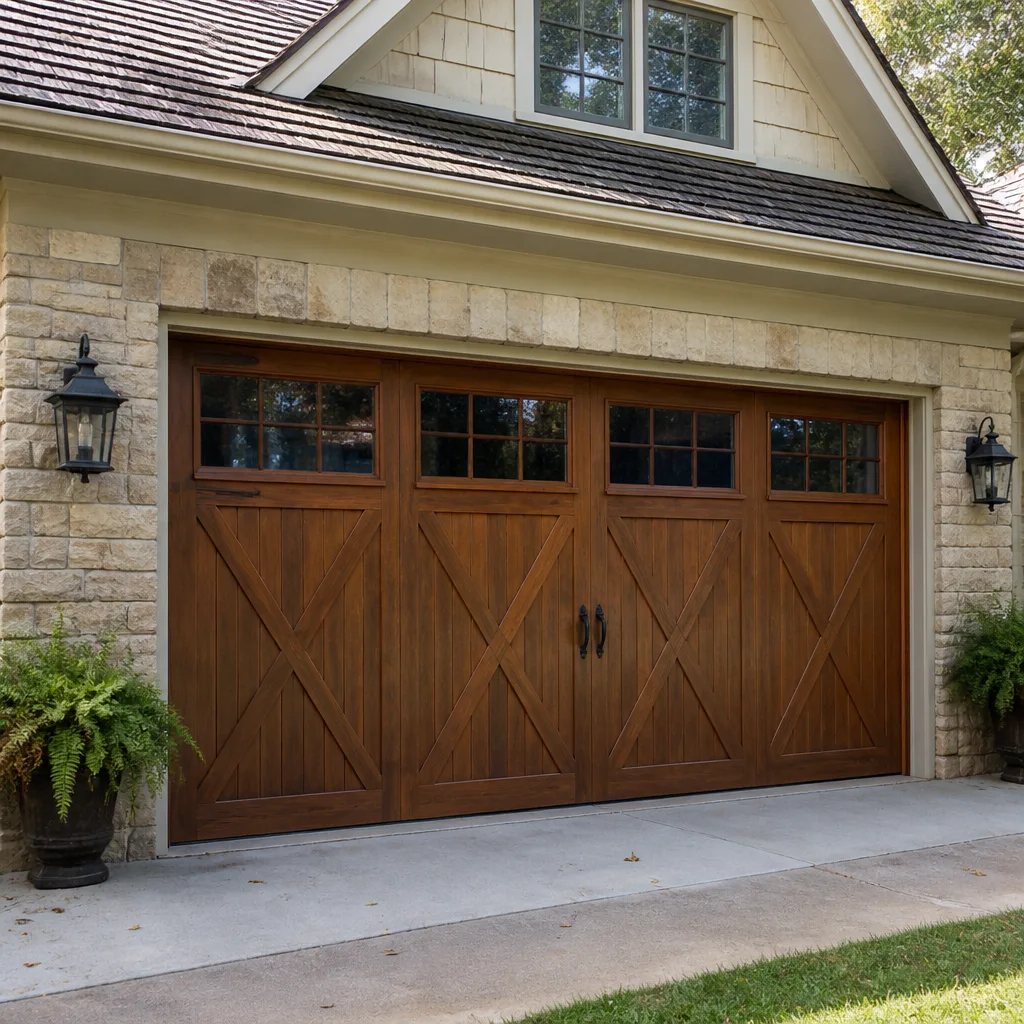 Carriage house
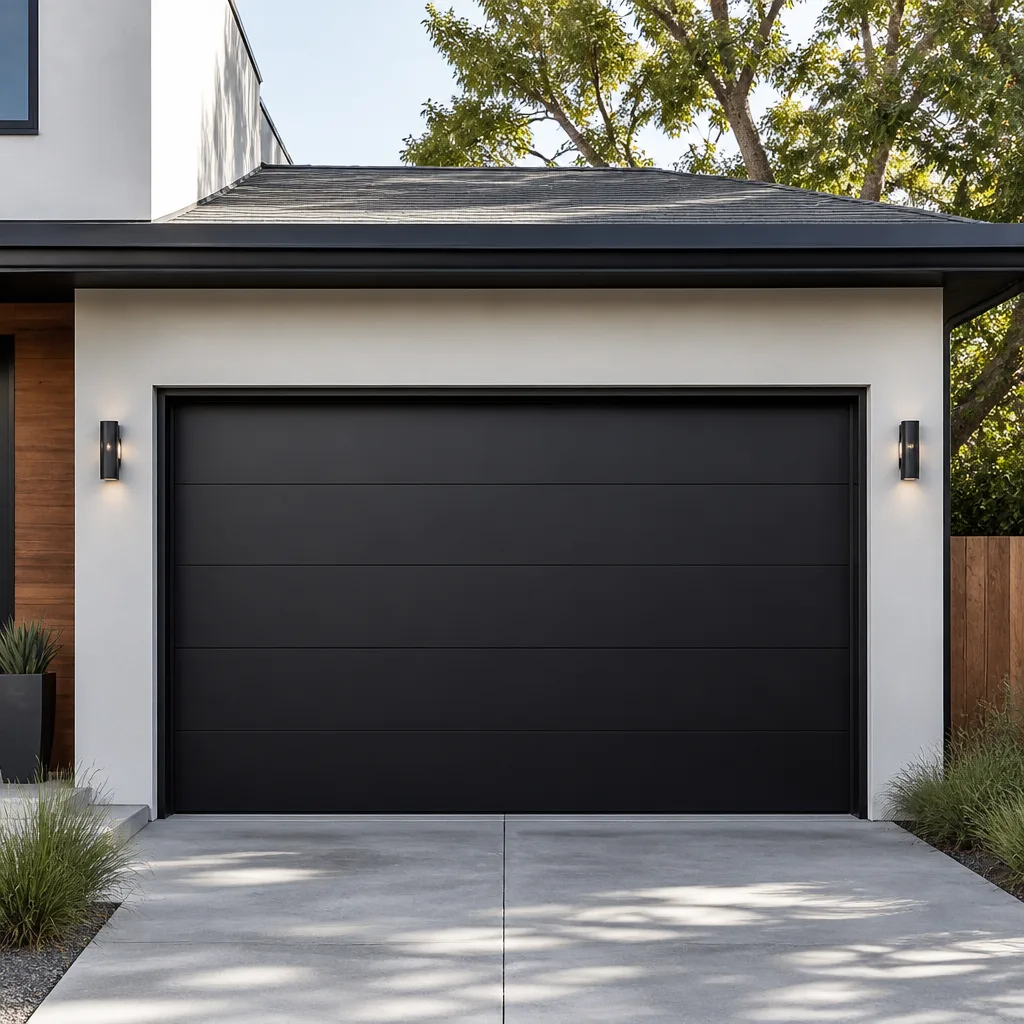 Modern flush
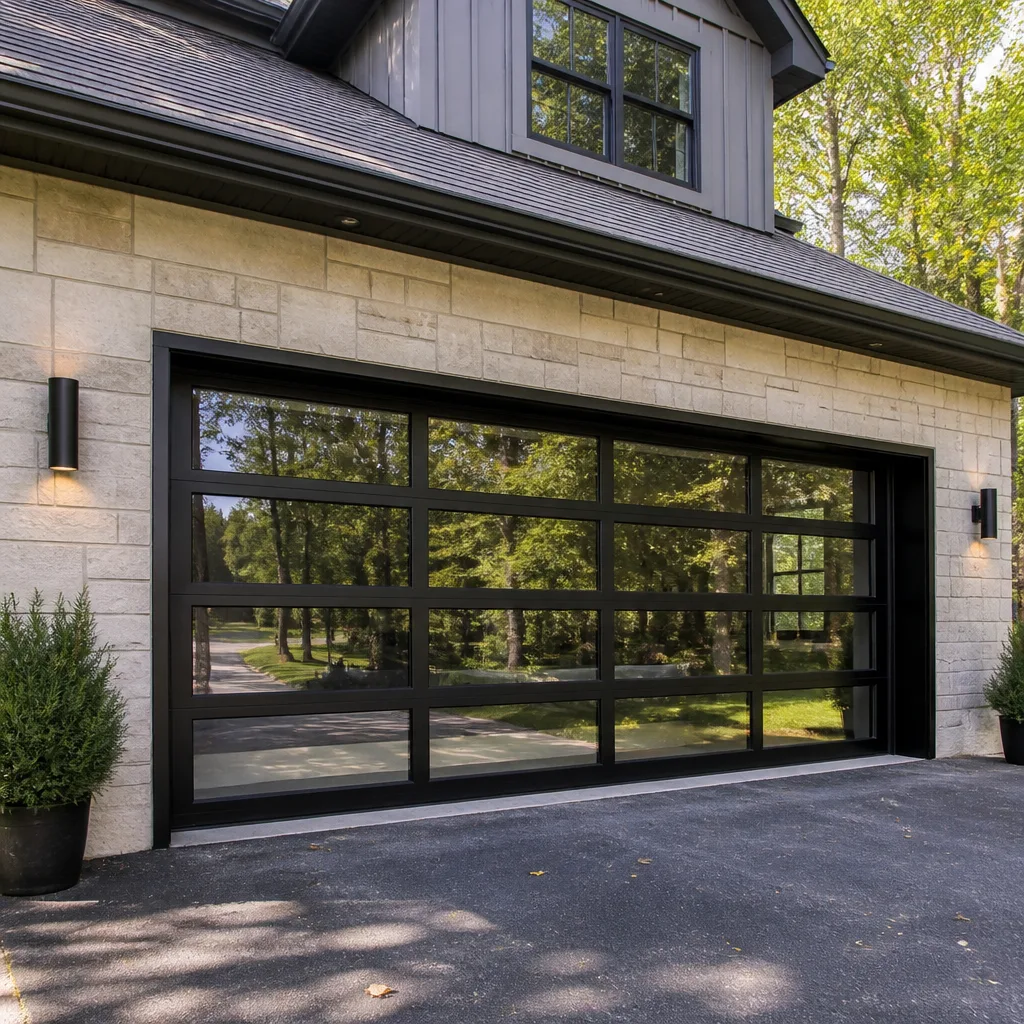 Full-view glass
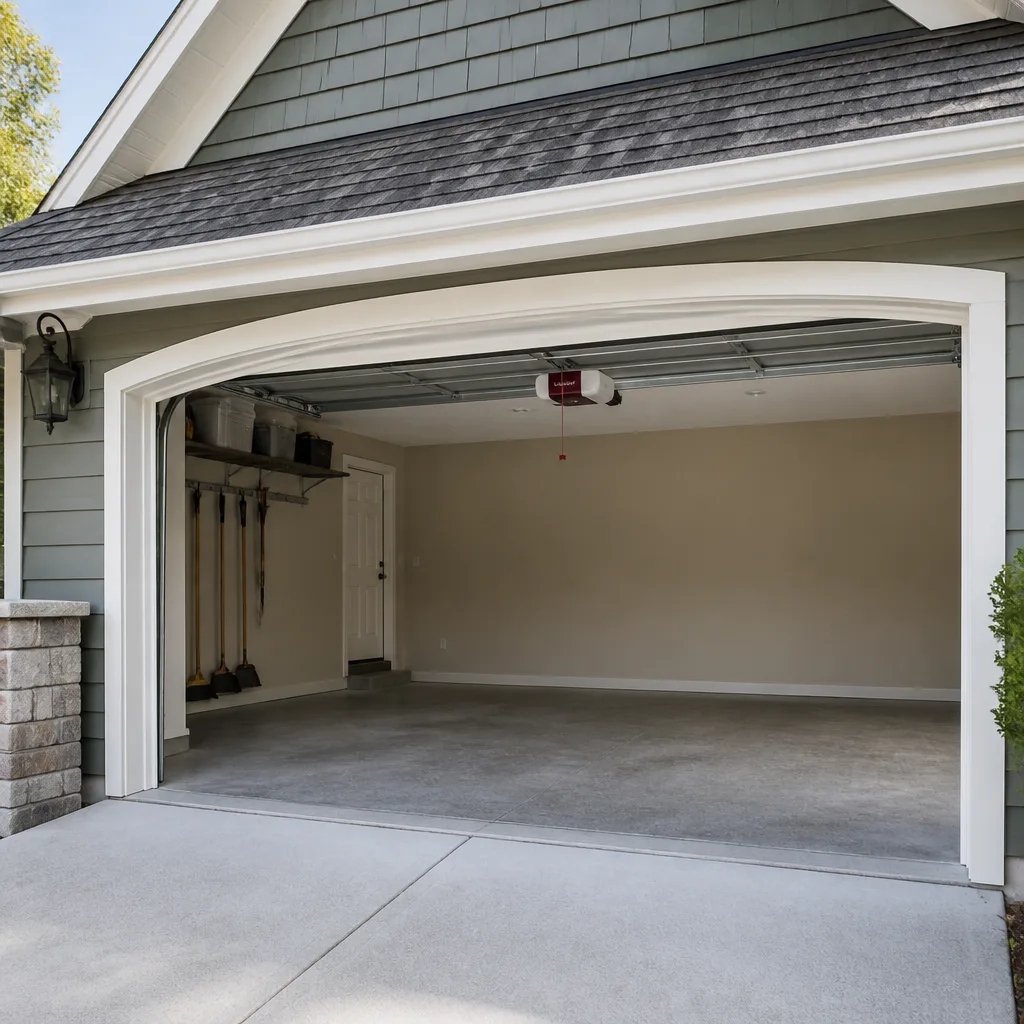 LiftMaster openers
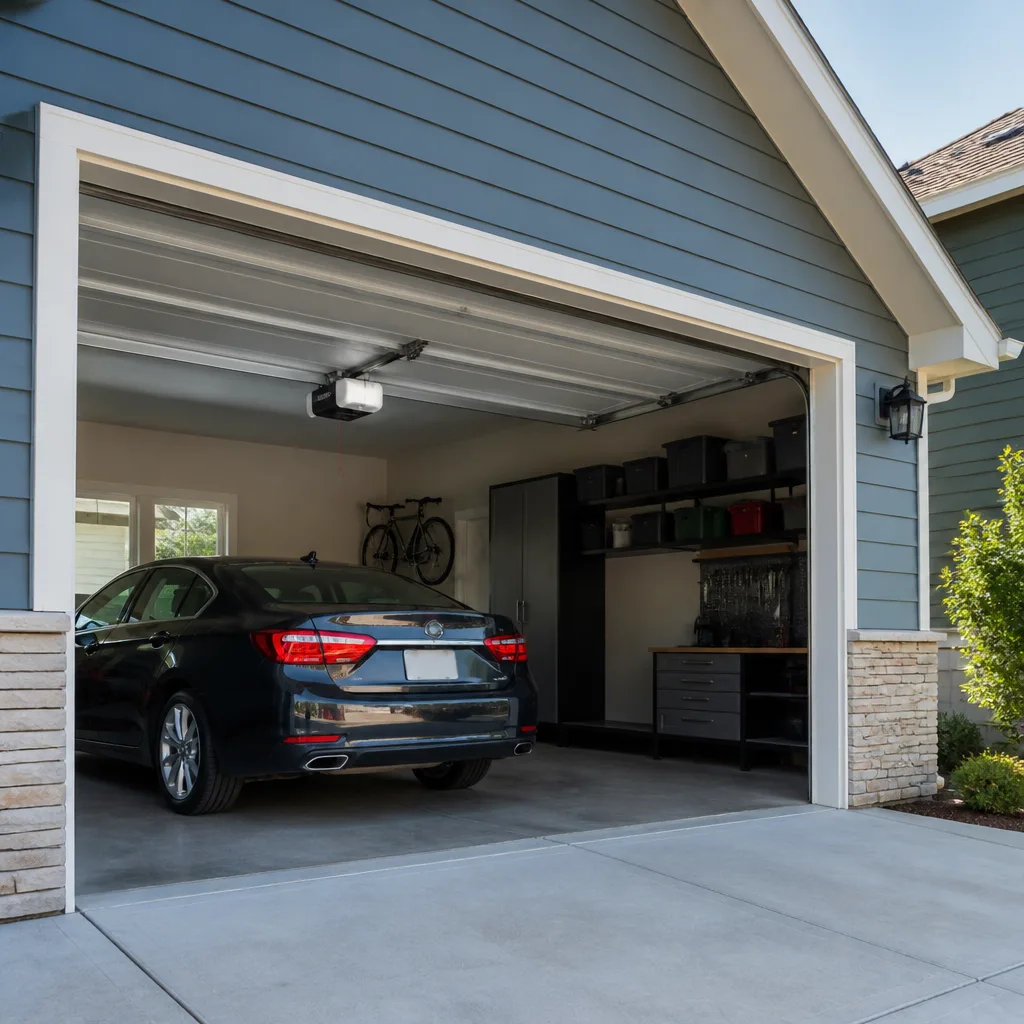 Chamberlain openers
Full 25-point door and opener safety check with every visit - springs, cables, rollers, tracks, and your LiftMaster or Chamberlain opener included
You get a price before we start. It does not change when the pro arrives.
Get your free estimateThe Complete Guide to Garage Doors in Englewood
Most garage door advice you’ll find online was written for a suburb at sea level, and that’s the first thing that goes wrong here. Englewood sits at 5,280 feet, and that elevation changes how your door actually behaves. Lubricants thin out faster. Rubber seals dry and crack sooner. Spring tension that a factory set for sea-level air pressure won’t always match what your door needs on the Front Range. Add hail season, wide temperature swings, and a housing stock that runs from 1950s ranch homes to new infill along South Broadway, and you’ve got a door with its own local rules. This guide walks through all of it: materials, permits, calibration, and when to call a pro.
Quick Answer
A garage door in Englewood needs a spring system calibrated for altitude and temperature swing, a material that survives hail and intense UV, and service from someone who knows the difference between an older low-clearance ranch and a newer infill build. Most residential repairs cost between $150 and $650 depending on the part, and full door replacement typically runs higher once you account for style, insulation, and lift hardware. The single biggest local factor owners overlook is spring tension at 5,280 feet.
Styles & brands we work with
- Raised-panel steel
- Carriage house
- Modern flush
- Full-view glass
- LiftMaster openers
- Chamberlain openers
Table of Contents
- Why Englewood’s Altitude Changes How Your Garage Door Works
- Spring Tension at 5,280 Feet: What’s Different
- Old Ranches vs. New Infill: Matching the Door to the House
- Which Materials Hold Up to Colorado Hail and Sun
- Matching Door Style to Englewood Architecture
- Permits in Englewood vs. Unincorporated Arapahoe County
- Choosing and Keeping an Opener
- A Maintenance Routine That Fits the Local Climate
Why Englewood’s Altitude Changes How Your Garage Door Works
At 5,280 feet, the air is thinner, the UV is stronger, and the temperature can swing 40 degrees between a morning and an afternoon. Each of those things hits a different part of your door.
Thinner air means standard lubricants for rollers, hinges, and tracks thin out and evaporate faster than the manufacturer’s schedule assumes. What works on a door in Ohio may need attention twice as often here. Stronger UV means rubber bottom seals, weatherstripping, and vinyl trim crack and fade sooner than the packaging suggests. And the temperature swing is the big one. Metal tracks, springs, and panels expand and contract every day, and a door that’s adjusted in a 45-degree morning can rub or sit unevenly by a 75-degree afternoon.
In our experience, the fix isn’t exotic. It’s choosing the right lubricant (a lithium or silicone-based product rated for wide temperature ranges), checking seals every season instead of once a year, and being willing to re-tune the door when the seasons turn. A door that works smoothly in October may need a small adjustment by June.
Altitude also affects how a door sounds. If your door has gotten louder over the past year, it’s usually the rollers or hinges telling you they’re dry, not the door failing. That’s a small repair, not a replacement.
Spring Tension at 5,280 Feet: What’s Different
Springs are the engine of your door, and they’re wound to a specific tension based on the door’s weight, height, and balance. A spring set at sea level for a 7-foot door doesn’t automatically match the demand of that same door at altitude. As springs heat and cool through a wide daily range, the metal torques slightly, and the tension that feels right in the morning can feel stiff or sluggish by afternoon.
This is why a technician working in Englewood should check spring tension against the actual behavior of the door, not just a chart. The right tension lets you lift the door with one hand. The wrong tension shows up as a door that slams shut, opens unevenly, or stalls partway up.
Spring work is also the single most dangerous repair a homeowner can attempt. Torsion springs store enormous energy, and a spring that lets go while you’re near it can break bones or worse. Extension springs under load present the same risk. Our garage door spring repair service treats calibration as a safety task first and a mechanical task second, which is the order it should always be in.
If you notice any of the following, stop using the door and get it looked at:
- The door feels much heavier than it did a month ago.
- You hear a loud snap from the garage, followed by the door refusing to lift.
- The door rises a foot and stops, or goes up crooked.
- You can see a visible gap in a coil of the torsion spring.
Spring repair is typically one of the more affordable repairs on a door, but the calibration is where the value is. A spring that’s replaced but not matched to the door’s real weight and altitude will fail again sooner.
Old Ranches vs. New Infill: Matching the Door to the House
Englewood has two very different garage door environments living side by side, and treating them the same causes problems.
Older Low-Clearance Ranches
Much of Englewood’s mid-century housing stock has garage openings that sit a little lower than today’s standard, and often the garage ceiling leaves less room for the door to travel up. Low-clearance installs use a different track configuration and often a low-headroom torsion setup instead of a standard one. If you replace a door on one of these homes, the hardware has to fit the space, not the other way around. Buying a standard door online and expecting it to fit a 1950s low-clearance opening is a common and expensive mistake.
Older homes also mean older wiring in the garage, sometimes original to the house. A new opener pulls more current than the original builder anticipated. We always have an electrician check the circuit before a major opener installation.
Newer Infill Along South Broadway
The newer builds coming up around South Broadway and the surrounding blocks tend to use standard 7-foot or 8-foot openings, insulated doors, and smart openers. The challenge here isn’t the door; it’s matching the door to the house’s modern look without making it look like a flipped spec home. These homes often take a carriage-style or full-view aluminum door well, but the door needs to be sized and finished to the architecture, not just the opening.
Infill lots also tend to be tight. A door that opens outward or has a deep track system can clip a fence or landscaping. We size the travel before the door is ordered, not after.
Whether you’re in an older ranch near Bates-Logan Park or a new build off South Broadway, the right door is the one that fits the specific opening and the specific house. Our garage door repair service handles both ends of that spectrum, because in Englewood you genuinely need both skill sets.
Which Materials Hold Up to Colorado Hail and Sun
Hail is the number one enemy of a garage door in Englewood, and UV exposure is a close second. Here’s how the main materials actually perform:
- Steel: The most common choice for good reason. Modern steel doors use 24 or 25-gauge panels and dent-resistant finishes. A steel door takes hail better than aluminum or vinyl, and it’s the easiest to repair with panel replacement after a storm.
- Aluminum: Lighter and rust-proof, but dents more easily under hail. Full-view aluminum doors look stunning, but they need impact-rated glass and careful installation.
- Wood: Beautiful, especially on Craftsman-style homes, but the UV and dry air here cause wood doors to crack and warp faster than anywhere else. Wood needs regular sealing and is the highest-maintenance option in Englewood.
- Composite or Faux Wood: The best of both. Gets you the wood look without the upkeep, and takes hail reasonably well.
- Insulated Panel Doors: For attached garages, insulation matters in Colorado’s cold winters and hot summers. A well-insulated steel door is often the practical sweet spot.
Whichever material you choose, look for impact-resistant finishes and quality weatherstripping. Both are small investments that pay off in this climate. Panel replacement after a hailstorm is far cheaper than a full door, so pick a material and model where individual panels are actually available.
Matching Door Style to Englewood Architecture
A garage door is often 30 to 40 percent of a home’s front elevation. Picking the wrong style is the most visible mistake a homeowner can make. A few guidelines that work well in Englewood:
- Mid-century ranch: Look for a clean, flat-panel or raised-panel steel door with minimal window detail. Carriage-house style can work, but overly ornate designs clash with the clean lines of a 1950s home.
- Brick bungalow: A carriage-style door with decorative hardware, or a short-panel raised design in a color that complements the brickwork, tends to look right. Warm tones work well here.
- Newer infill: A full-view aluminum door, or a flush-panel modern style with a horizontal window row, fits the clean modern look. Match the door’s finish to the home’s trim, not the surrounding fences.
- Mixed neighborhoods: If your street is a blend of eras, choose a design that sits in the middle. A traditional raised-panel steel door with a light window row is the safest universal choice.
Style matters, but fit and function come first. A door can look beautiful and still be the wrong door for the opening. Prioritize correct sizing and clearance over the curb-appeal details.
Once you’ve chosen the style, brands like Clopay and Amarr offer broad residential lines in every one of these looks, and we work with both. If you’re leaning toward a specific style, it’s worth calling a technician who can tell you which models actually fit your opening and your house type.
Permits in Englewood vs. Unincorporated Arapahoe County
Where you live determines what you need to do before a new garage door goes up. Here’s the practical difference:
In the City of Englewood: Most residential garage door replacements require a building permit because the door is a permanent structural opening. The city’s building department reviews the installation, and an inspector checks the finished work. Some minor repairs and panel swaps don’t need a permit, but anything that changes the door’s travel, opening, or structure typically does.
In unincorporated Arapahoe County: Unincorporated areas fall under county jurisdiction, not city. The permit process runs through Arapahoe County, and the requirements can differ from Englewood’s. If you’re just outside city limits, don’t assume the city process applies.
Not sure which side of the line you’re on? Look at your property tax statement or call the county. It’s a two-minute check that saves a headache later.
The safest rule: ask before you install. Call the Englewood or Arapahoe County building department with your address and what you’re replacing, and they’ll tell you whether a permit is needed. A licensed installer will know the local rules too, but asking the department directly is always the sure answer. A door installed without a required permit can complicate resale, and the fix is always more expensive than the permit.
Choosing and Keeping an Opener
Modern openers fall into a few families, and knowing which one you have makes every future conversation easier:
- Belt-drive: Quietest, best for attached garages next to bedrooms. LiftMaster and Chamberlain dominate this category.
- Chain-drive: Durable and proven. Louder than belt, but the classic choice for detached garages.
- Screw-drive: Good middle ground, quieter than chain but not belt-quiet.
- Smart/Wi-Fi openers: LiftMaster and Chamberlain’s myQ ecosystem lets you open, close, and monitor your door from your phone. Popular in newer Englewood infill builds.
- Legacy models: Craftsman and Genie units are everywhere in older homes. Parts are available, and most opener repairs on these are straightforward.
If your opener is dead, the fix might be a simple remote pairing, a sensor alignment, or a new battery. Or it might be a failing logic board. Our garage door opener repair covers both brands you’ll find in most homes and the legacy models. You don’t have to replace an opener just because the remote stopped working.
When it’s time to replace, choose an opener rated for your door’s weight. A builder-grade opener paired with a heavy insulated door will struggle from the start. The opener matters, but the spring system matters more. Get the springs right before you upgrade the opener.
A Maintenance Routine That Fits the Local Climate
A little attention twice a year keeps a door working right and avoids bigger repairs. Here’s a routine tailored to Englewood’s conditions:
- Lubricate the moving parts (rollers, hinges, springs) with a temperature-rated lubricant. Springs and hinges are the priority, especially after a dry, dusty summer.
- Inspect the bottom seal and weatherstripping for cracks and gaps. UV exposure here accelerates wear, so check every spring and fall.
- Test the door balance. Disconnect the opener and see if the door stays put when lifted halfway. If it slams shut or drifts, the springs are out of balance.
- Check the safety sensors at the base of the track. Wipe them clean and make sure a small object placed in the door’s path triggers a reversal.
- Look at the tracks for dents or debris, and tighten the hardware if it’s rattling.
- Watch for signs of strain. Uneven travel, a heavier feel, or a new noise are worth a professional look before they become a repair.
Our technicians have up to 11 years of experience working in this kind of climate, and they can usually spot a spring that’s on the way out just by watching the door move. A quick check saves money, but only if you act before the door fails.
If it’s time to replace the door completely, we connect you with pros who supply and install across all the major brands you’d expect: LiftMaster and Chamberlain for openers, Clopay and Wayne Dalton (and Raynor, Craftsman, Amarr, and Genie) for doors and hardware. That breadth means your technician works with your exact system, not a generic substitute.
Common Mistakes to Avoid
- Tightening a spring yourself. Torsion springs store enough energy to cause serious injury. A spring that looks easy to adjust on a video is a spring that can break bones. Leave spring work to a trained technician, every time.
- Buying a door before measuring the opening. Older Englewood homes often have low-clearance openings. A standard-height door won’t fit a 1950s low-clearance garage, and the return shipping is on you.
- Ignoring the bottom seal in summer. UV and heat dry out rubber fast here. A cracked seal lets water and pests in, and it’s one of the cheapest fixes on the door.
- Skipping the permit. In Englewood city limits, most door replacements require a permit. Install without one and you can hit a snag when you sell.
- Upgrading the opener when the springs are tired. A new opener on old, weakened springs just accelerates wear. Fix the springs first.
- Choosing a door style that clashes with the house. A carriage door on a clean mid-century ranch looks out of place. Match the style to the architecture, not to the catalog.
- Assuming unincorporated Arapahoe County follows the same rules as Englewood. It doesn’t. Check which jurisdiction you’re in before you call.
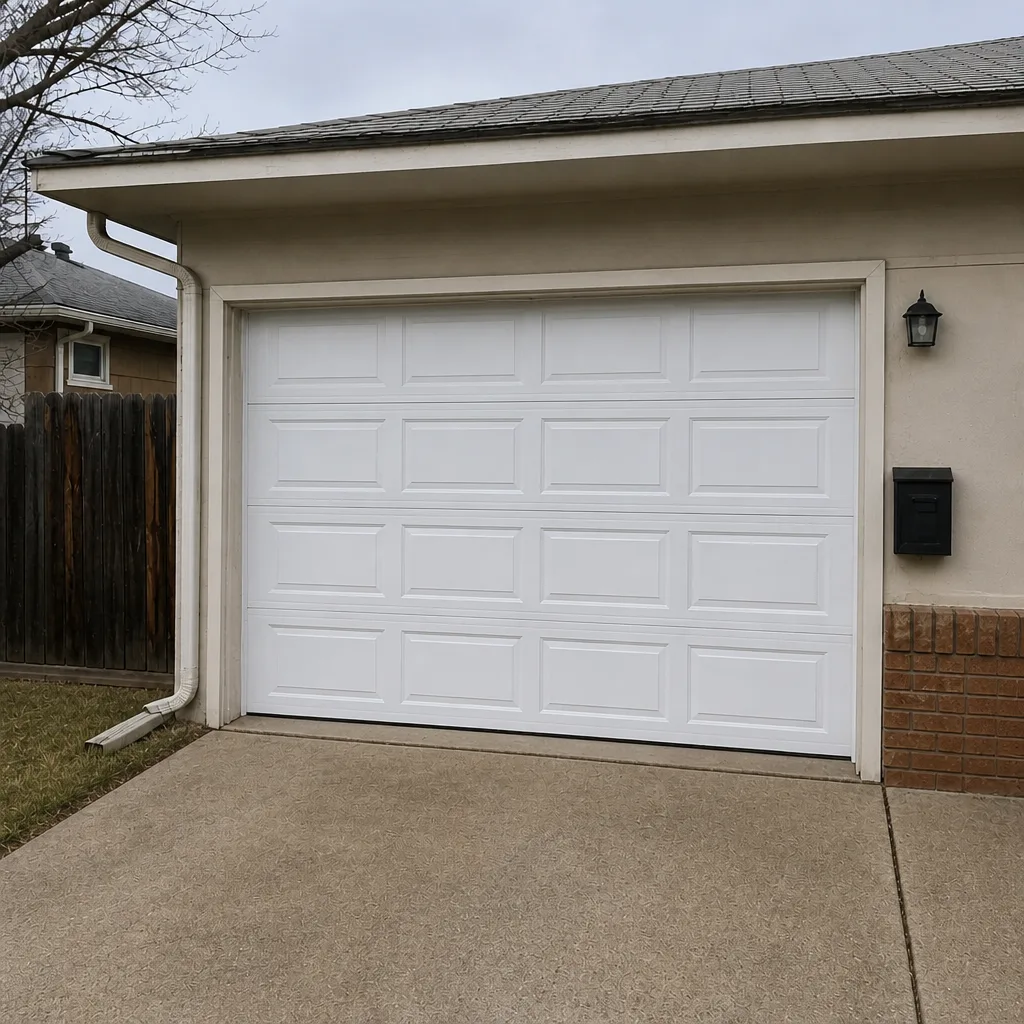
See the difference
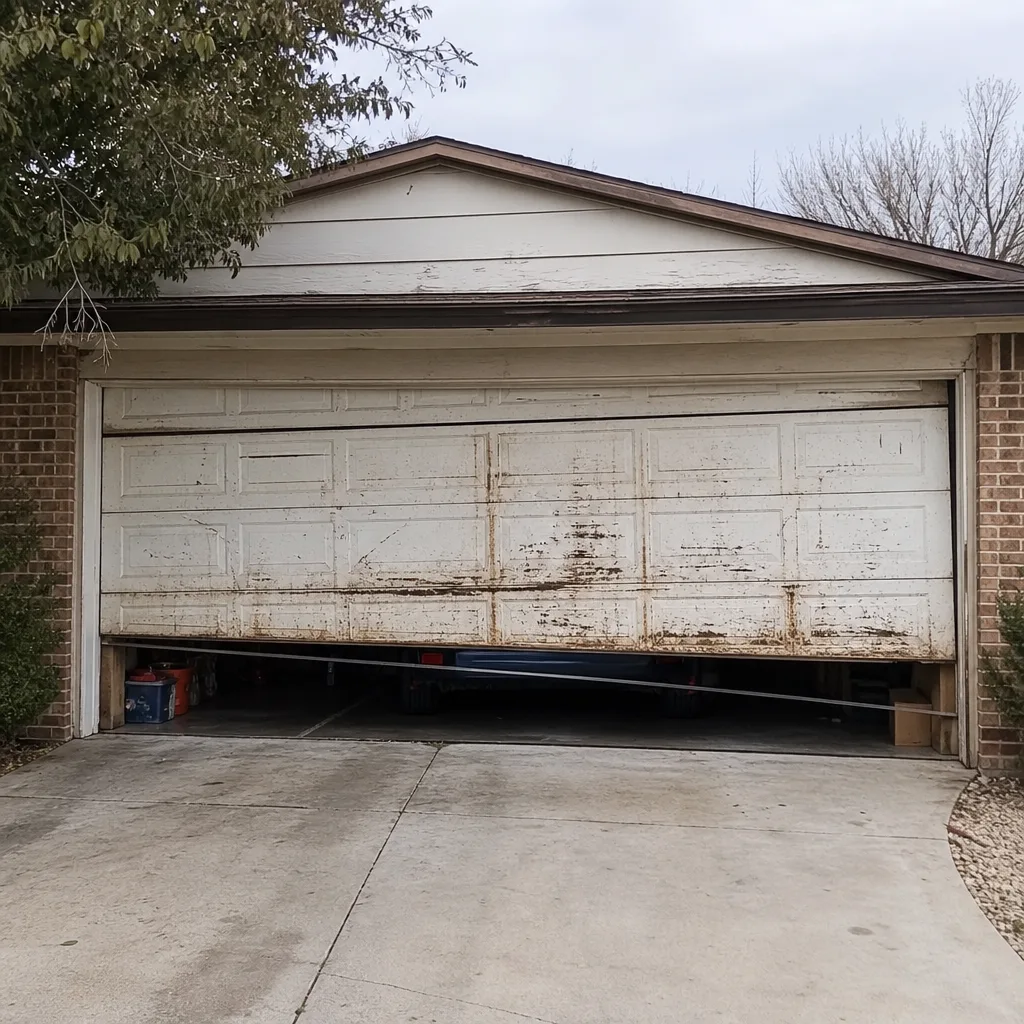 Before
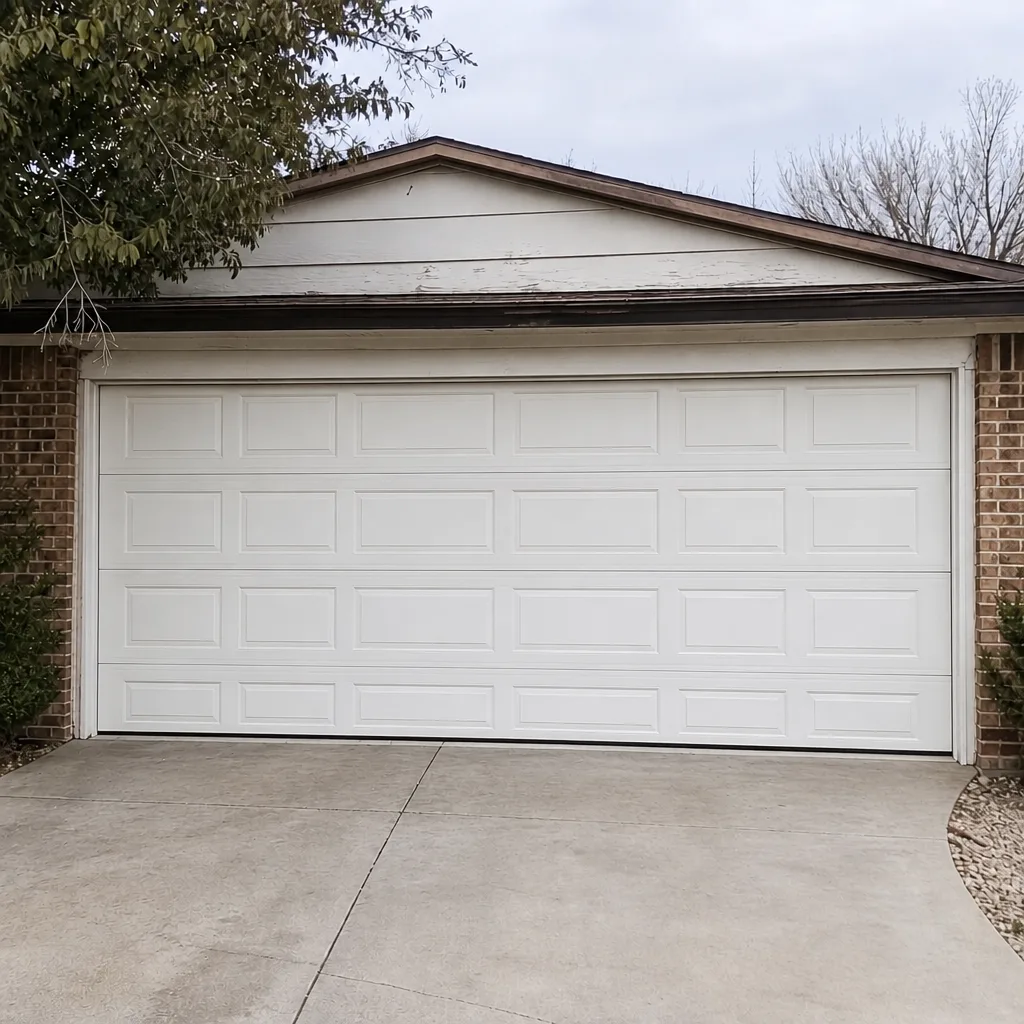 After
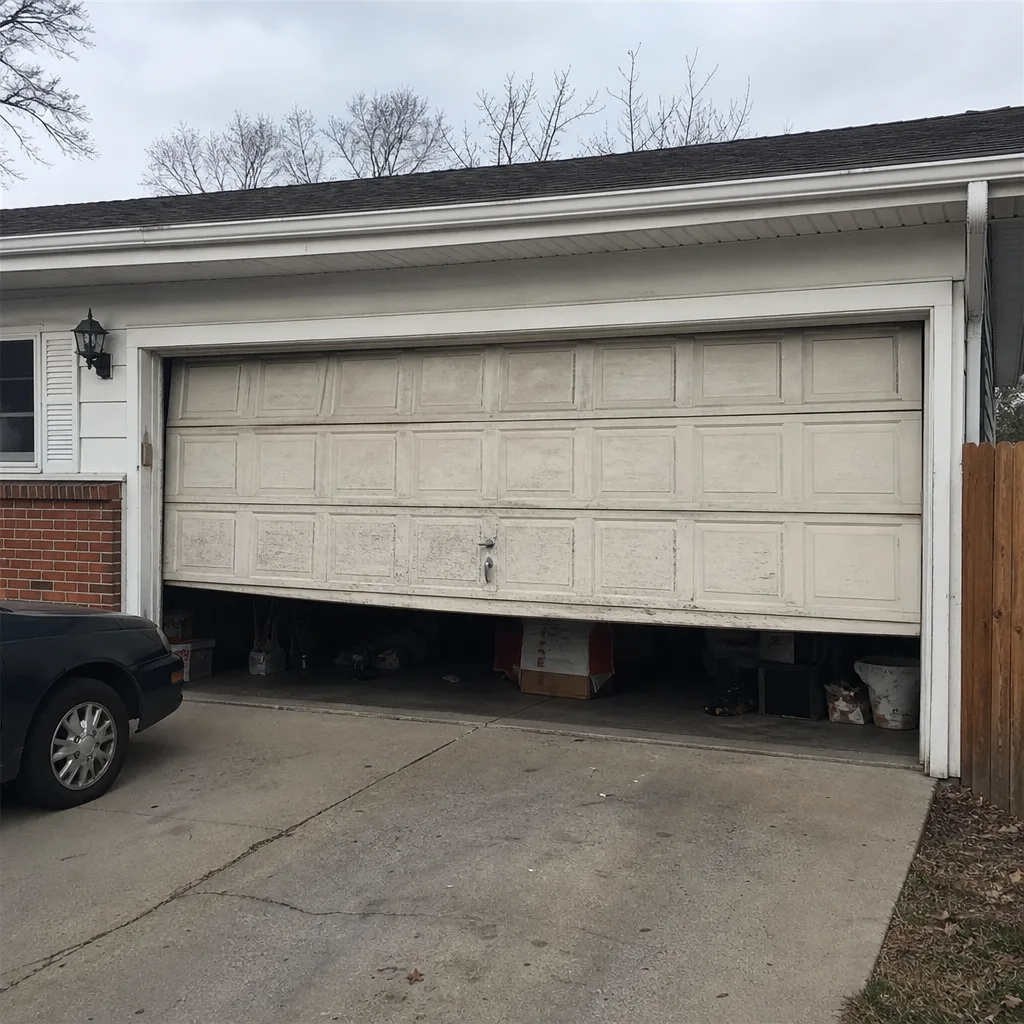 Before
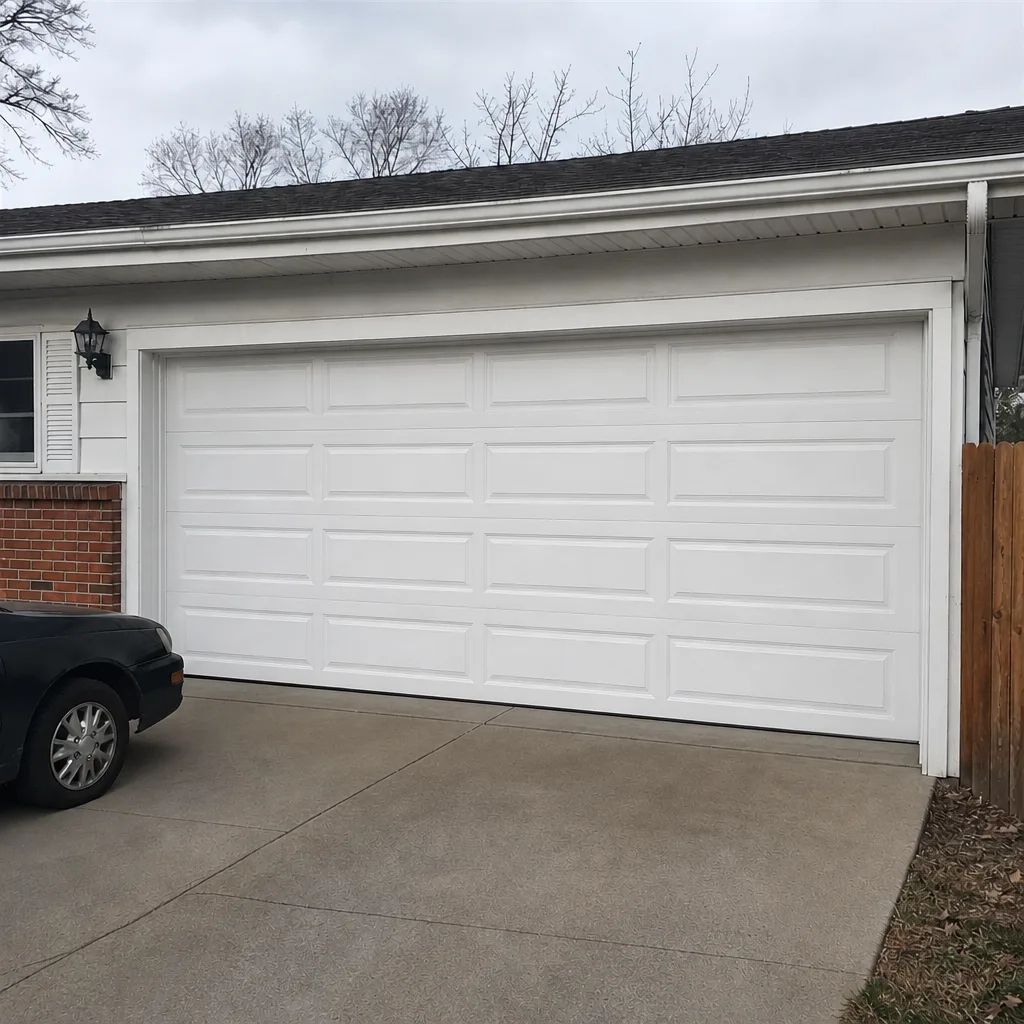 After
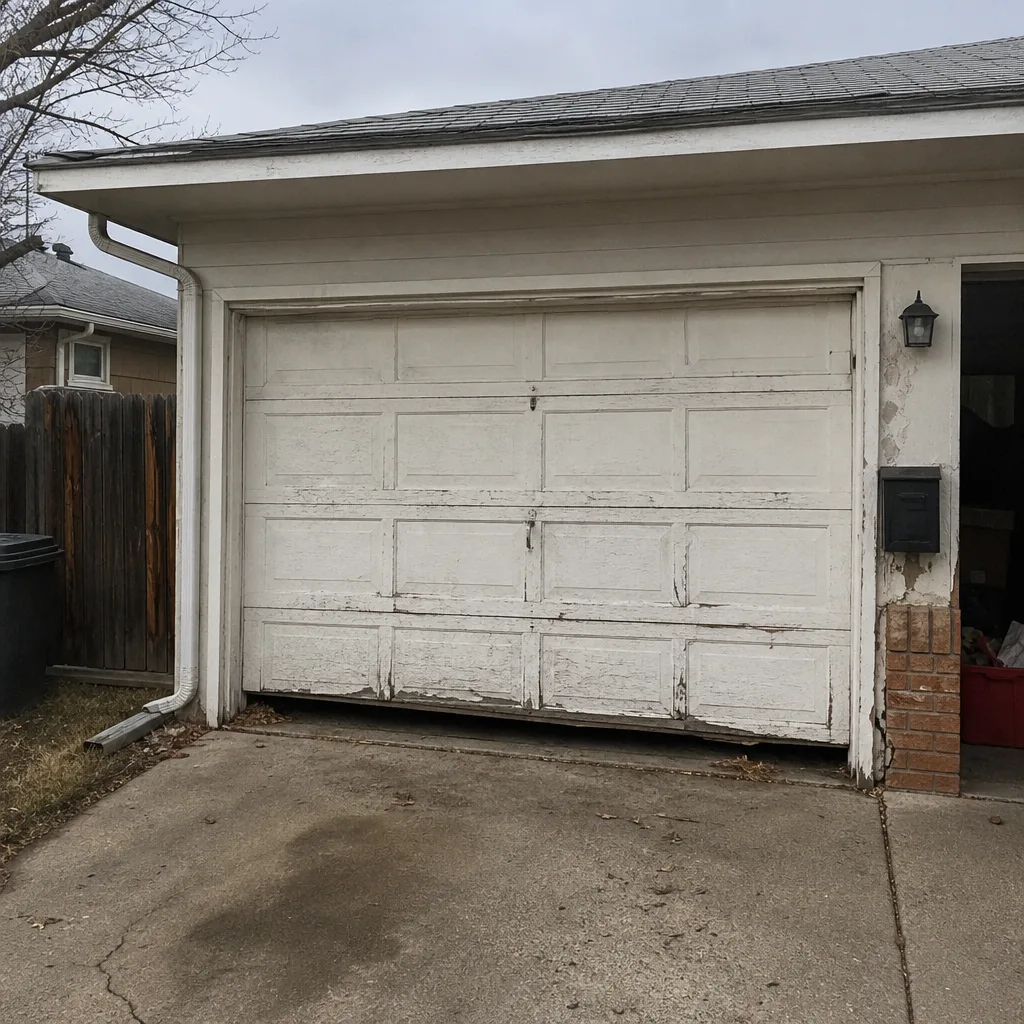 Before
 After
When to Call a Professional
Some garage door problems are safe to handle yourself: a dead remote battery, a sensor that’s been bumped out of alignment, or a squeaky hinge that just needs a drop of lubricant. Others aren’t. Call a professional when the door won’t open or close smoothly, when you hear a snap or grinding noise, when the door looks crooked or unbalanced, or when a spring is visibly damaged. Never attempt a spring repair or a track repair yourself. If your opener is misbehaving and a new battery and sensor check haven’t helped, it’s time for a proper diagnosis. And if you’re considering a full door replacement, a professional measure is worth the phone call. Englewood Garage Door Repair Pros offers free estimates in Englewood. Call (833) 513-8729. We answer 24/7. Fast dispatch from 7am to 7pm, Sunday through Friday.
Frequently Asked Questions
Most residential garage door repairs in Englewood run between $150 and $450 for parts and labor, with spring repair and opener repair typically sitting in that range and full door replacement running higher depending on style and insulation. Every price is quoted and agreed before any work starts, and the written estimate sets the final number. Call (833) 513-8729 for an exact quote. Estimates are free.
Most garage door replacements inside Englewood city limits require a building permit, while unincorporated Arapahoe County follows its own process. The safest move is to call the city or county building department with your address and what you’re replacing. They’ll tell you exactly what’s required for your property. Call (833) 513-8729 if you want a professional to walk you through it before you order a door.
Same-day service is available for most common repairs in Englewood, including spring and opener issues, when you call during dispatch hours. We answer 24/7, and fast dispatch runs from 7am to 7pm, Sunday through Friday. A call outside dispatch hours is booked into the next opening, Sunday through Friday, 7am to 7pm. Call (833) 513-8729 to check availability for today.
No. The price is quoted and agreed before any work begins, and the written estimate is the price you pay. If we find something during the job that changes the scope, we stop and talk to you before touching anything else. Call (833) 513-8729 for a free estimate so you know the number up front.
The local professional we connect you with is licensed and insured as their state requires, and their work is backed by a satisfaction guarantee. We work with independent local pros who specialize in garage doors, not generalists. Call (833) 513-8729 for a free estimate.
Altitude, temperature swing, and dry air all take a toll. Springs calibrated for sea level can feel stiff or sluggish at 5,280 feet, lubricants thin out faster, and rubber seals crack sooner. If your door suddenly feels heavy or moves unevenly, it’s worth a professional look before it fails completely. Call (833) 513-8729 to book a check.
The Bottom Line
A garage door in Englewood lives in a tougher environment than the manufacturer’s manual assumes. The altitude, the hail, the daily temperature swing, and the mix of older ranches and newer infill all shape the right choice for your home. Springs need proper calibration for the elevation. Materials should be chosen with hail and UV in mind. Style should fit the architecture, not just the catalog. And permits depend on whether you’re in the city or unincorporated county. Most repairs are quick and affordable when you call a specialist. If your door is struggling, the best first step is a professional look. Call Englewood Garage Door Repair Pros at (833) 513-8729 for a free estimate. We answer 24/7. Fast dispatch from 7am to 7pm, Sunday through Friday. And when you want to compare services before you call, our Englewood Garage Door Repair Pros pages lay out exactly what we handle and how the process works.
Written by the team at Englewood Garage Door Repair Pros.