
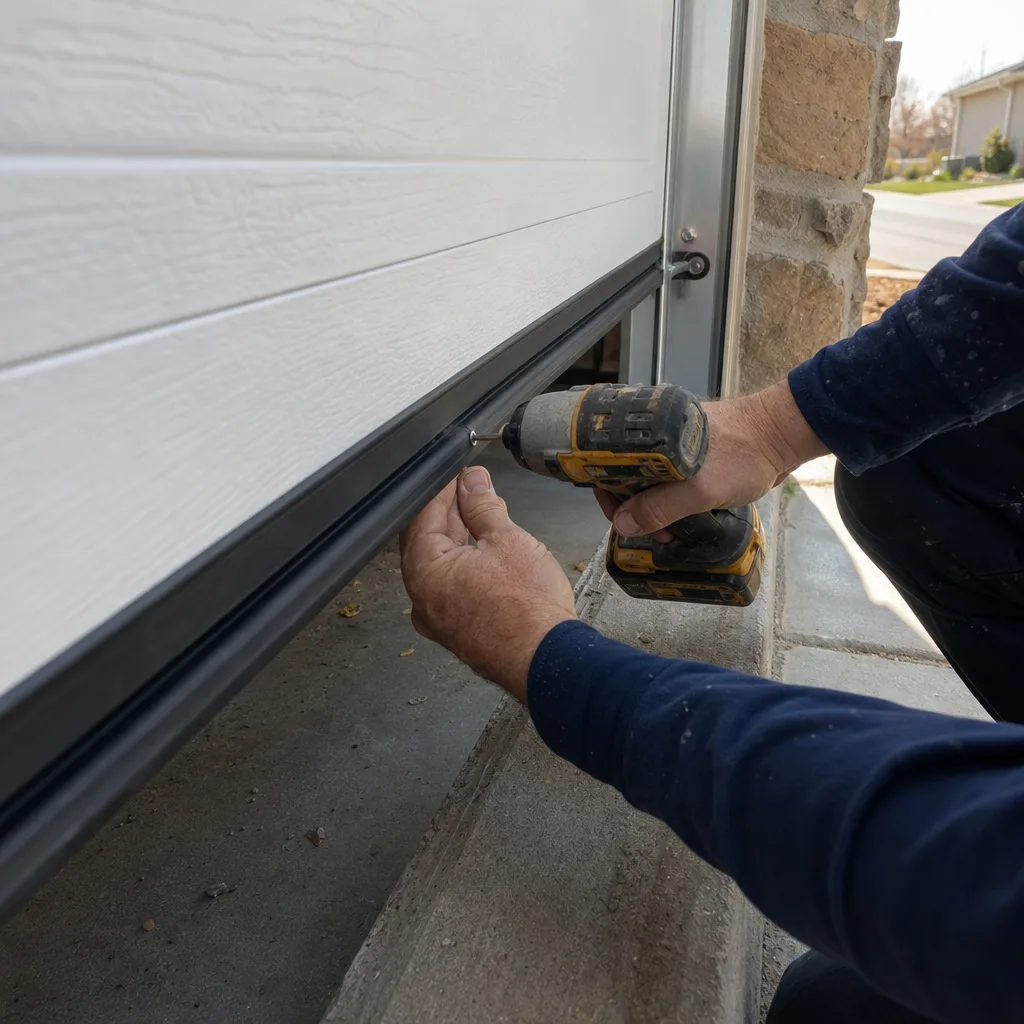
Last updated November 20, 2026
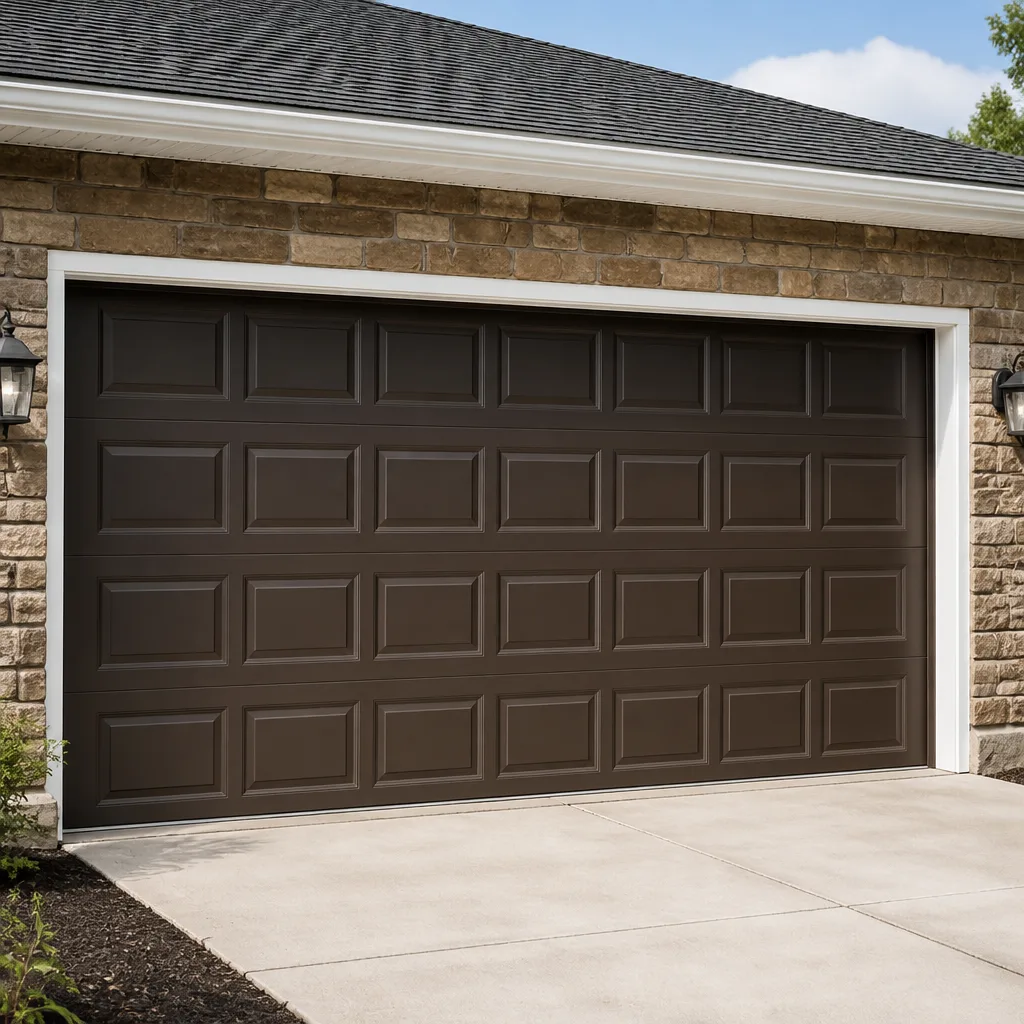 Raised-panel steel
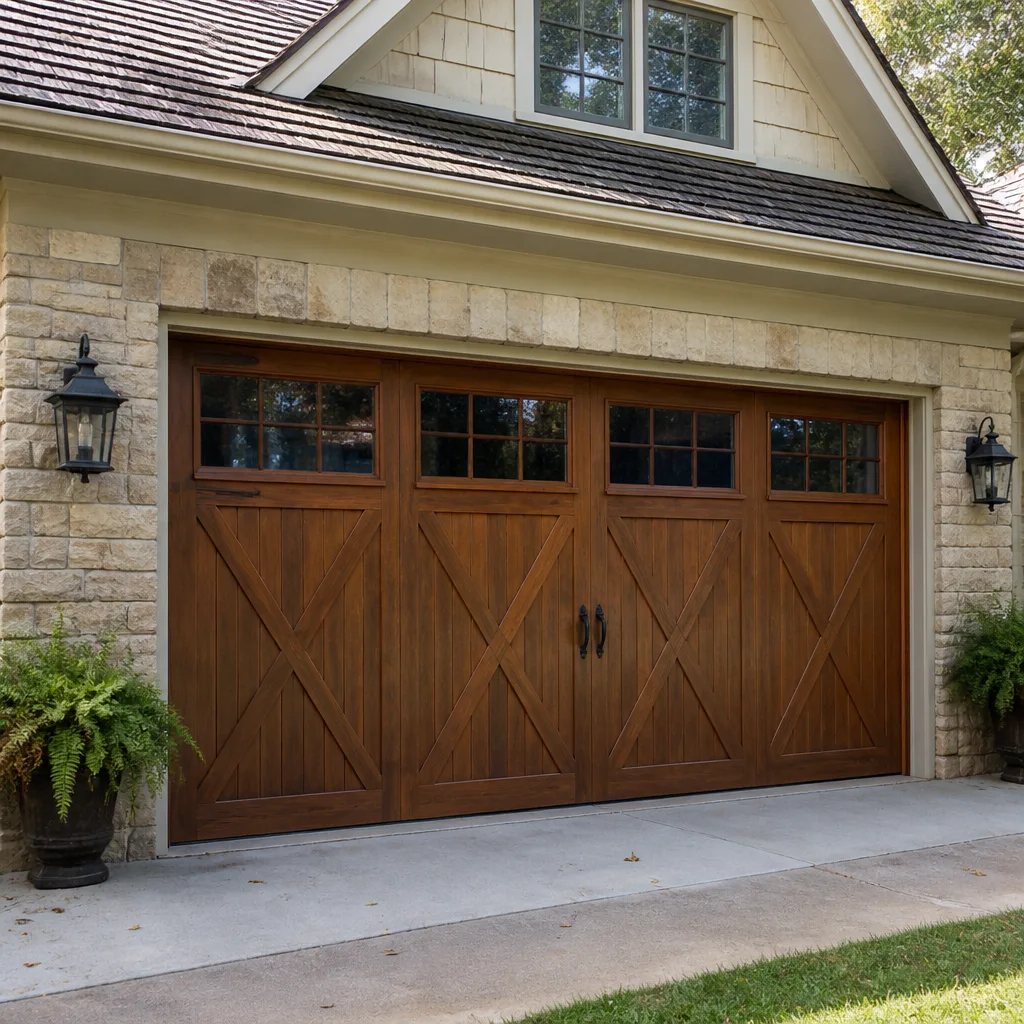 Carriage house
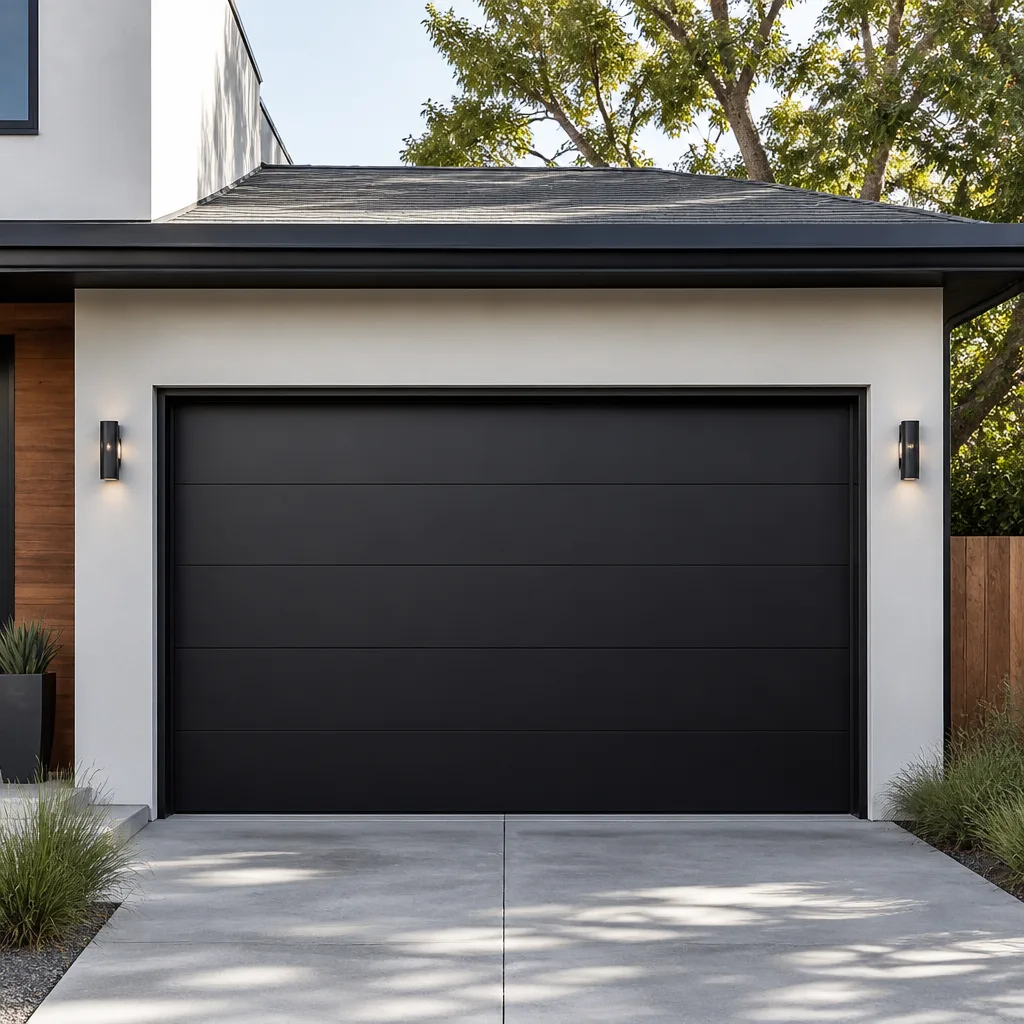 Modern flush
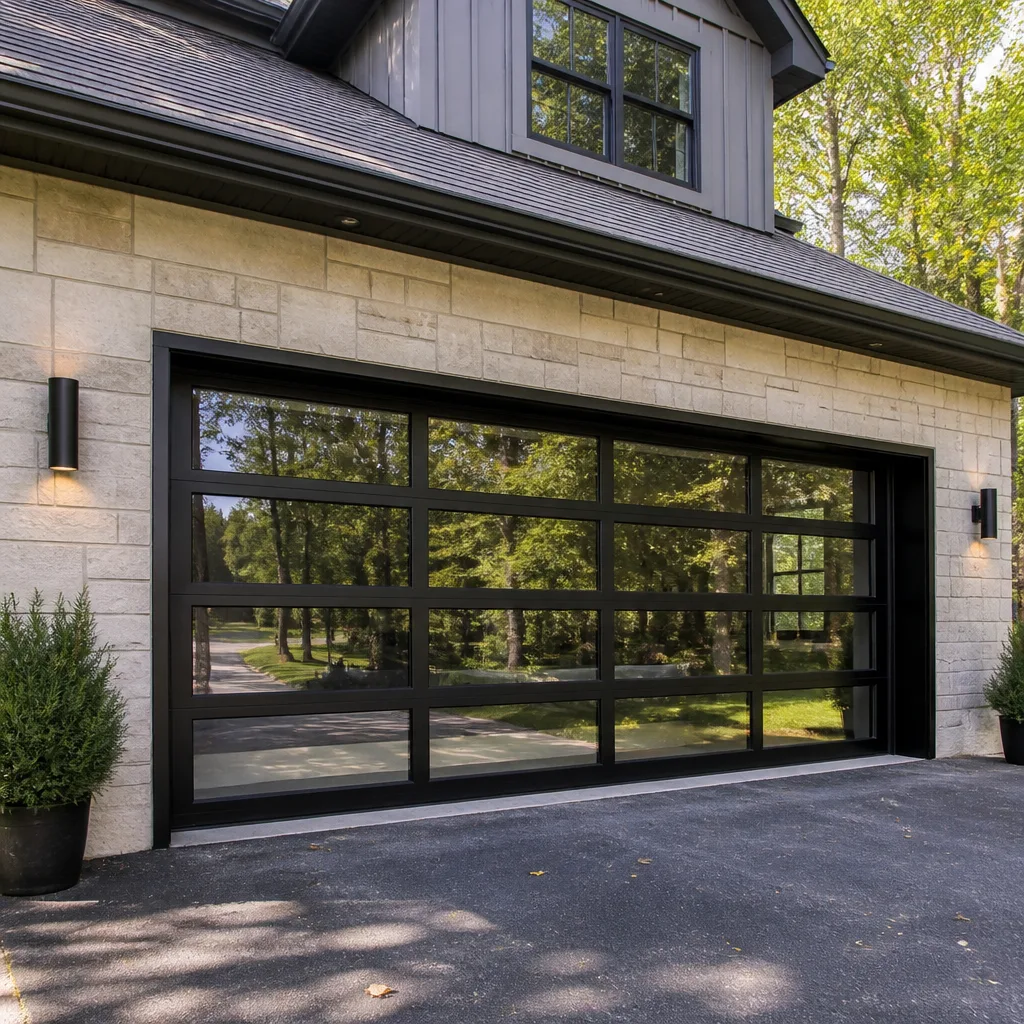 Full-view glass
 LiftMaster openers
 Chamberlain openers
Full 25-point door and opener safety check with every visit - springs, cables, rollers, tracks, and your LiftMaster or Chamberlain opener included
You get a price before we start. It does not change when the pro arrives.
Get your free estimateGarage Door Repair Maintenance Schedule: What to Do and When
Most homeowners think a garage door is either working or broken, so maintenance means waiting for the day something snaps. That’s exactly backwards. The mistake we see most often in Englewood is a well-meaning homeowner who oils the tracks because they look dry and dirty. Tracks should stay dry and clean, never lubricated. Grease on a track traps grit, and grit grinds the steel rollers down until the door starts to drag. The right task at the wrong time, or on the wrong part, can shorten the life of a door as fast as skipping maintenance entirely. This guide gives you a maintenance calendar built around Colorado’s actual climate here in Englewood, so you know what to check, when to check it, and when to leave it to a specialist.
Quick Answer
A well-maintained garage door needs monthly five-minute checks (visual inspection and a balance test) and seasonal tasks timed to Colorado’s weather, with a professional inspection once a year. In Englewood, the two highest-stakes seasons are late fall, before the first hard freeze, and spring, when freeze-thaw cycles stress springs, cables, and weatherstripping. Lubricate hinges, rollers, and springs; never lubricate the tracks or the bottom seal.
Styles & brands we work with
- Raised-panel steel
- Carriage house
- Modern flush
- Full-view glass
- LiftMaster openers
- Chamberlain openers
Table of Contents
- How a Garage Door Actually Wears Out
- The 5-Minute Monthly Plan
- The Seasonal Tasks That Follow Colorado Weather
- What to Lubricate and What to Leave Dry
- Testing Spring Balance and Cable Wear Yourself
- The Lifespan Tracker: Where Does Your Door Sit?
- The Annual Professional Inspection
- Common Mistakes to Avoid
How a Garage Door Actually Wears Out
Every component on your door has a rated cycle count. Not a shelf life, not a calendar age: a number of open-and-close cycles. That’s the single most useful thing to understand before you build a maintenance schedule, because a busy door can pass a quiet door in wear in a matter of months. Through our garage door repair work around Englewood, we’ve seen that what wears out isn’t mysterious once you picture those cycles adding up.
The moving parts break down into a few groups:
- Springs take the load. Torsion springs are typically rated in the range of 10,000 cycles; extension springs weather more and can last less depending on humidity and stress. A door cycled four times a day burns through that rating surprisingly fast.
- Cables run under high tension and fray at the drums and sheaves. They don’t wear on a clock, they wear on cycles and stress.
- Rollers and hinges move against the track on every trip. Dry hinges and tired rollers make the whole system shake.
- Weatherstripping and the bottom seal face the outside. In Englewood that means sun, wind, dust, and temperature swings that flex the material twice a day.
- The opener and its hardware carry the push and pull. Chain, belt, and screw drive units each wear a little differently, and smart-home systems on LiftMaster or Chamberlain openers need their sensors and connections kept clean.
Cycles are the reason a maintenance schedule belongs in your calendar. You’re not chasing a mystery; you’re keeping the parts you can protect from reaching their limit early.
The 5-Minute Monthly Plan
You don’t need a tool bag for this. If you set a recurring reminder, you can run these checks in about five minutes while you’re already in the garage. Doing them monthly keeps small problems small and gives you a baseline so you notice when something feels off.
- Listen. Open and close the door. Rattle, grind, or a heavy sudden thump are signals something is loose or misaligned. Smooth and steady is what you want.
- Look at the tracks. Have a helper or a flashlight watch as the door travels. If it shudders, the door is probably out of balance; if it resists in a spot, the track is likely dirty or misaligned. Wipe tracks with a clean rag, nothing wet left behind.
- Check the weatherstripping. Run a hand along the bottom seal and the side gaps. Cracks, hardening, or a visible draft on a windy day mean the seal is failing.
- Test the safety reverse. Place a small object (a block of wood works) in the door’s path and command it down. The door should reverse. Test the optical sensors the same way by waving a hand through the beam.
- Run the balance test. Pull the release, lift the door halfway to shoulder height, and let it go gently. It should stay put. More on this below.
A clean track and steady travel are your best indicators. If the monthly check turns up something that won’t settle, that’s when we’d rather see it early than after a failure. Call (833) 513-8729 and we can look at a door that isn’t working right before it stops working entirely.
The Seasonal Tasks That Follow Colorado Weather
Englewood sits in a climate with big temperature swings: warm days, cold nights, and a freeze-thaw cycle that does its real damage in early spring. Your maintenance calendar should follow that rhythm, not the neat four seasons of a generic checklist. Here’s how we break it down.
Late winter / early spring (March and April)
- Freeze-thaw flexes the door frame and the door itself. Recheck that the door’s travel is still smooth and that nothing has shifted.
- Look closely at springs and cables. The cold-to-warm swing is when you’ll first see a stretched spring or frayed cable starting to show.
- Clean the tracks after winter’s grit and dust.
- Check that the bottom seal still seals. Winter can harden it.
Summer (June through August)
- Heat expands the door panel and the tracks. Doors sometimes rub or bind in the afternoon that open fine in the morning. Note it now.
- Lubricate hinges, rollers, and the springs’ contact points. Summer is a good time to refresh lubricant, but never apply it to the tracks or bottom seal.
- Check the opener’s force setting. If it’s working harder in the heat, that’s the door telling you about friction.
Fall, before the first hard freeze (September and October)
- Weatherstripping check, top priority. Cold air will find every gap, and a cracked seal left in place over winter cracks further.
- Lubricate one more time before the cold arrives, so you’re not fighting a stiff system all winter.
- Re-test the safety reverse; sensors can drift.
- Have your annual professional inspection in this window if you can, so any part near the end of its cycle gets replaced before winter demand.
Winter
- Mostly observation. Listen, watch for ice or snow buildup in the tracks, and clear any debris at the bottom of the door.
- If it’s fighting you, don’t force it. A door that resists is usually telling you about a spring or balance issue.
What to Lubricate and What to Leave Dry
This is where more homes get into trouble than almost anywhere else. Lubricate the moving metal that pivots and rolls. Leave the tracks alone.
Lubricate these
- Hinges, at each pivot point. A few drops per hinge is plenty.
- Rollers, where the roller meets the hinge stem. Use a light lubricant, not a thick grease.
- Springs, lightly, along the coils, following the manufacturer’s guidance. A little goes a long way; excess attracts dust.
- The opener drive if your brand calls for it. Chain and screw-drive units under some brands need specific lubricant; check your owner’s manual rather than guessing.
Leave these dry
- The tracks. Wipe them clean, never oil them. Grease catches grit, grit grinds rollers, and the grime builds up in the corners where it does the most harm.
- The bottom seal. Lubricant degrades the rubber; clean it with a damp cloth instead.
A light silicone or manufacturer-approved lubricant is a safer default than a heavy household oil that attracts dust. If you’re not sure what your door’s brand and model expects, the answer for Clopay or Wayne Dalton panels or LiftMaster openers is often printed in the manual. Our technicians work with those exact systems and can tell you what a given door wants; we can also recommend what to use when we’re out for an inspection.
Testing Spring Balance and Cable Wear Yourself
We always tell people: a professional inspection is not the only way to catch a failing spring or cable. You can read the early warning signs yourself, and if you do, you’ll often catch it before the door does something dramatic. This is a careful inspection, not a repair.
The balance test
- With the door closed, pull the manual release to disconnect the opener. Do this with the door fully down.
- Lift the door by the handle to about halfway, to shoulder height. Do it slowly and firmly with both hands.
- Let go gently. A balanced door holds its position. A door that sinks tells you a spring is weak or broken and the door’s weight is out of balance.
- Re-engage the opener and test before you rely on it again.
Reading cable wear
Look at the cables at the drums and the lower corners, where they attach. A healthy cable is clean, straight, and tight. Frayed strands, kinks, or a cable that looks slack on one side means it’s stretching or on its way out. Note that fraying in the early spring after a freeze-thaw cycle; that’s when stress shows. Don’t touch tensioned cables or springs yourself. That’s genuinely dangerous, and we’ll say more about that below.
The Lifespan Tracker: Where Does Your Door Sit?
The most useful thing you can do for long-term planning is estimate your door’s cycles. Count how many times your door opens and closes on a typical day. Two trips out and two back is four cycles. A door on four cycles a day will hit 10,000 cycles in just under seven years, while a door on two cycles a day can last well past ten.
- Springs: typically rated around 10,000 cycles, sometimes with a high-cycle option. A four-cycle-day door eats through that in roughly seven years.
- Cables: cycle and stress dependent, with an earlier failure risk after a hard freeze-thaw winter.
- Rollers and hinges: very long-lived when lubricated; the first to show their age when neglected.
- Bottom seal and weatherstripping: failing first on the side that faces the sun and the outside air.
- Opener motors: the drive mechanism usually outlasts the springs if the door stays balanced.
You can do the arithmetic yourself with a rough cycle count and your door’s age. It won’t tell you the exact day a spring will break, but it does tell you when to watch it more closely. We’ve walked a lot of Englewood homeowners through that math, and it’s a more reliable starting point than checking the day something fails.
The Annual Professional Inspection
Once a year, have a trained professional look at the parts you should never touch. This is a short, direct visit, and it’s the part of the schedule that prevents the two biggest failures on the road: a broken spring and a snapped cable. Fall is our favorite window, but late spring works too if your door is out in the sun more.
A good inspection covers:
- Springs and cables checked for wear, sag, and correct tension.
- Balance and travel adjusted.
- Hinge and roller condition, worn ones replaced.
- Track alignment and cleanliness.
- Opener force, limit settings, and optical sensors.
- Weatherstripping and bottom seal condition.
- A clear answer on which parts are near the end of their cycle and which are fine for another year.
We treat an inspection as a chance to give you a real timeline, not a sales pitch. If your Clopay door and Genie opener are both on track, we’ll say so. If a spring is stretched, we’ll show you why.
Common Mistakes to Avoid
- Oiling the tracks. This is the one we see most. Tracks should stay clean and dry, so wipe them, don’t lubricate them, or the build-up will grind your rollers.
- Lubricating the bottom seal. Rubber doesn’t want oil. It will crack faster. Clean it with a damp cloth instead.
- Doing heavy spring or cable work yourself. Springs and cables hold enormous tension. A slip can cause a serious injury. Have this done by a professional, no exceptions. The garage door spring repair visit exists for exactly this reason.
- Ignoring a door that feels heavy. A heavy door means the springs are losing their strength, and continuing to use it stresses the opener and cables. Listen to it.
- Skipping the fall weatherstripping check. In Englewood, a cracked seal left on over the first freeze often means a cold, drafty garage all winter and a bigger job in spring.
- Waiting for a failure to schedule a professional inspection. The point of the annual visit is to catch wear before it becomes a broken door. A little planning beats a same-day scramble.
- Forcing the door when it won’t move. If it resists, stop. That’s a signal, not a challenge. Call for help.
See the difference
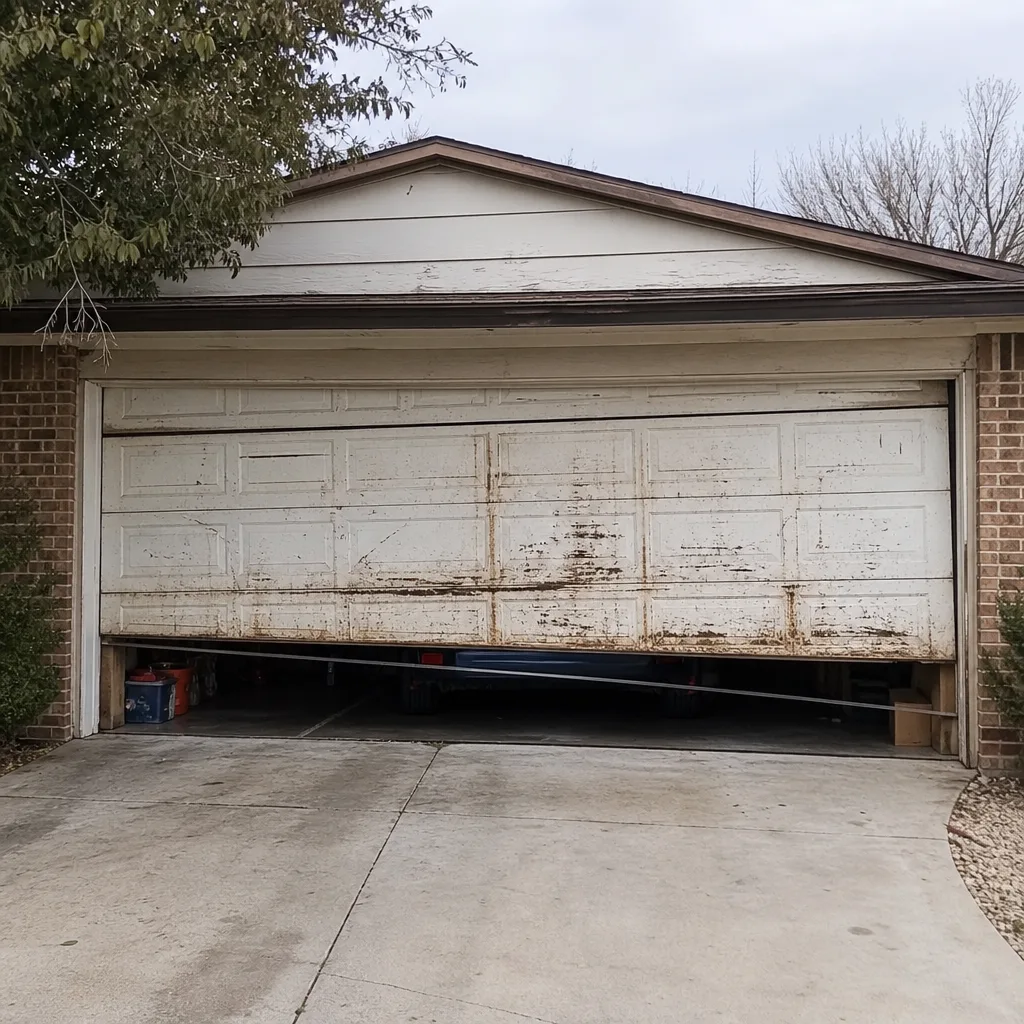 Before
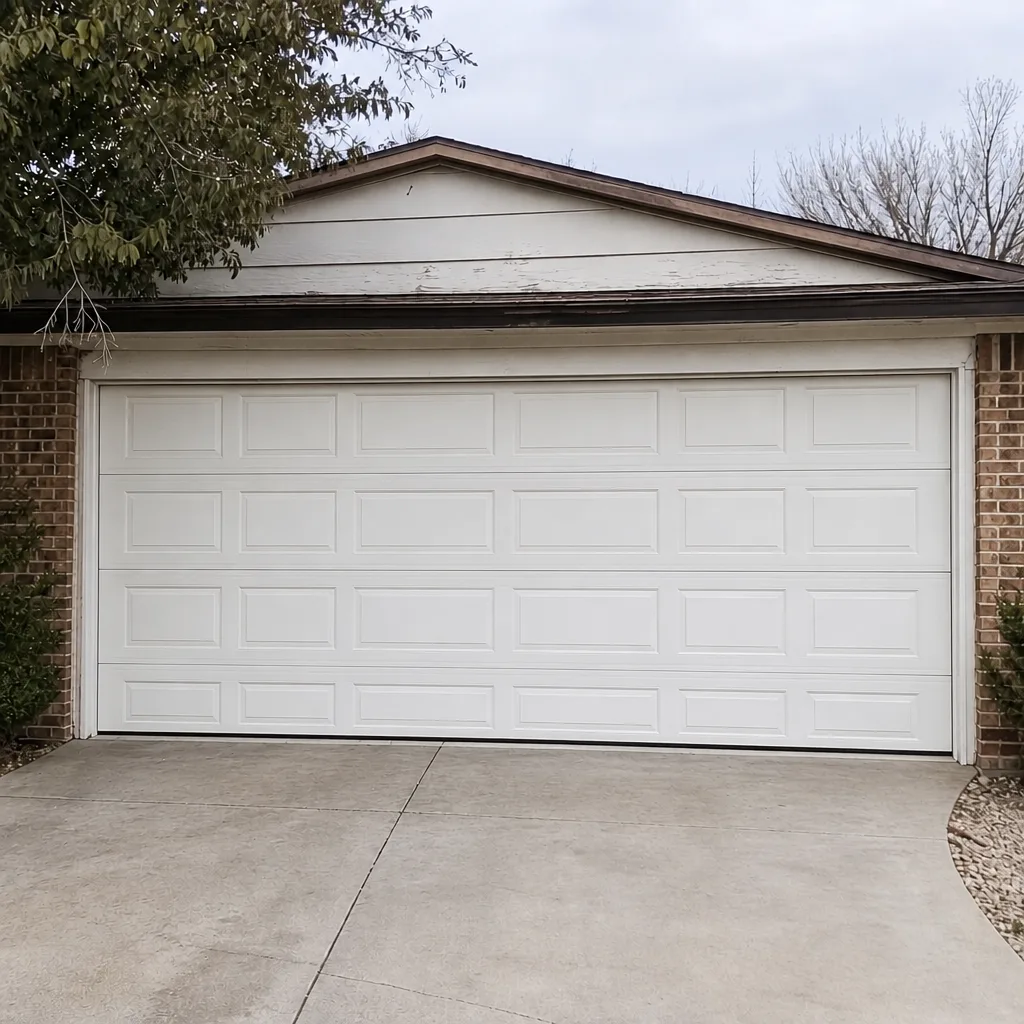 After
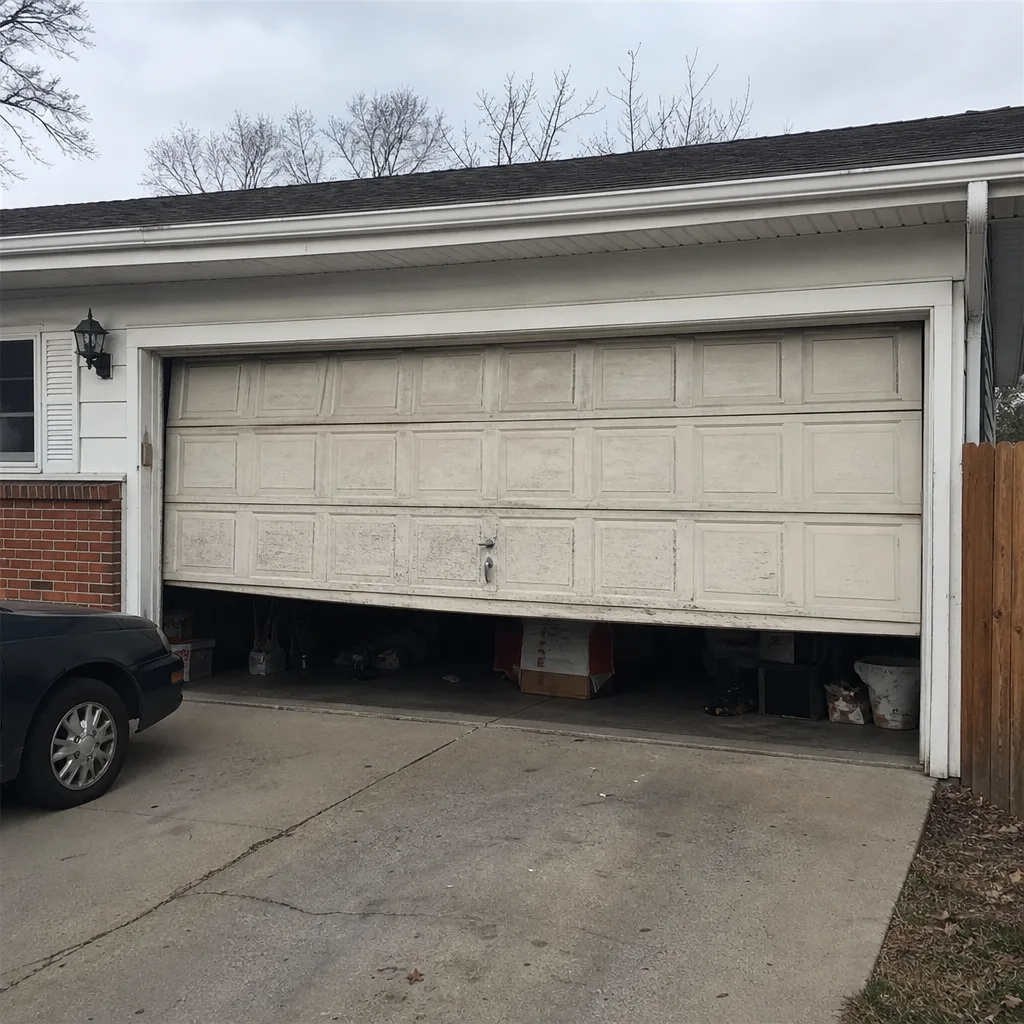 Before
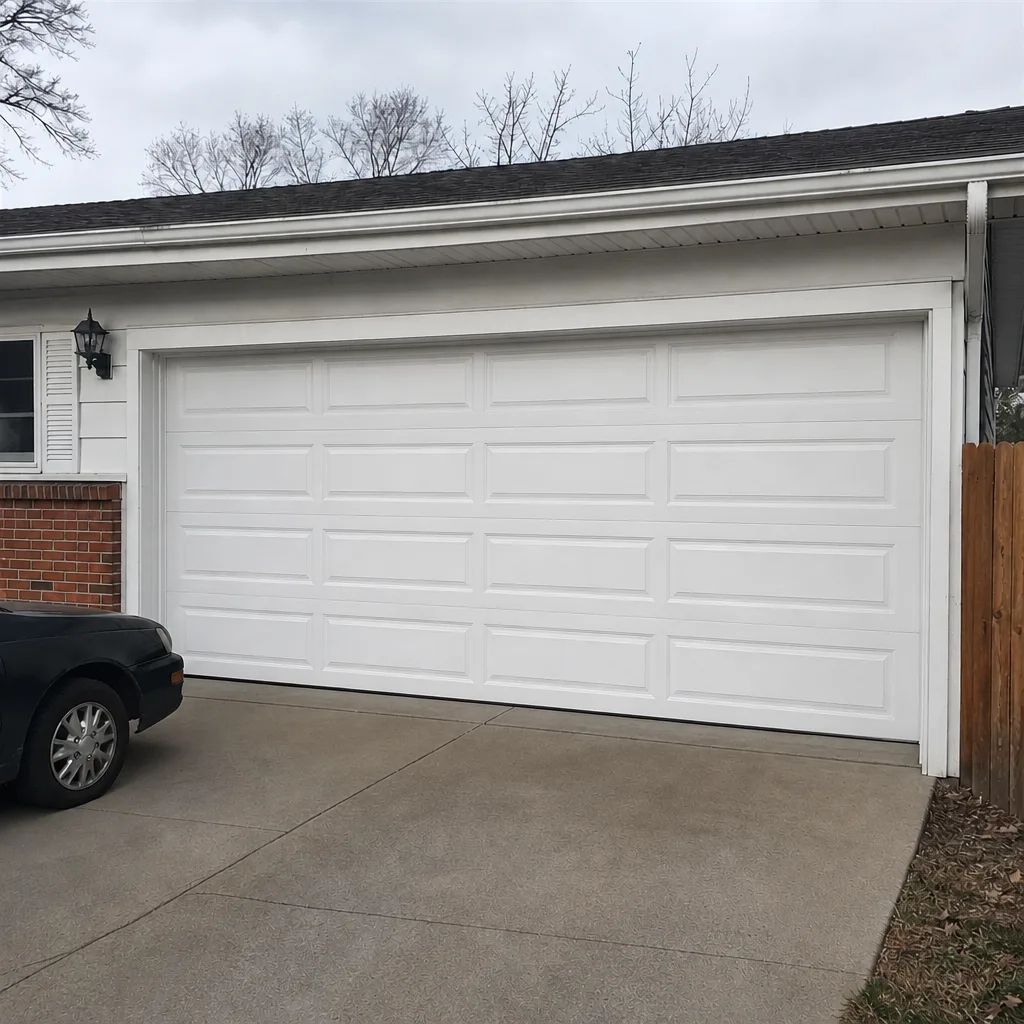 After
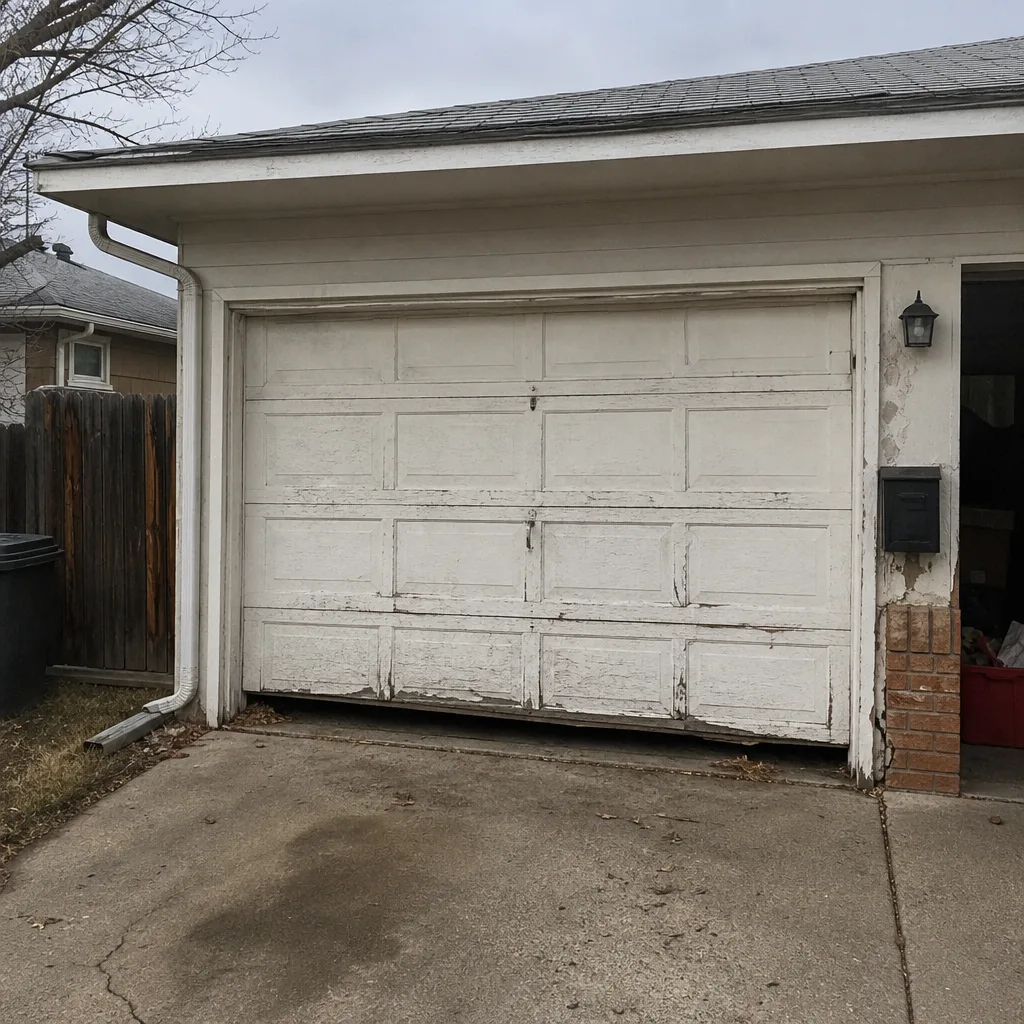 Before
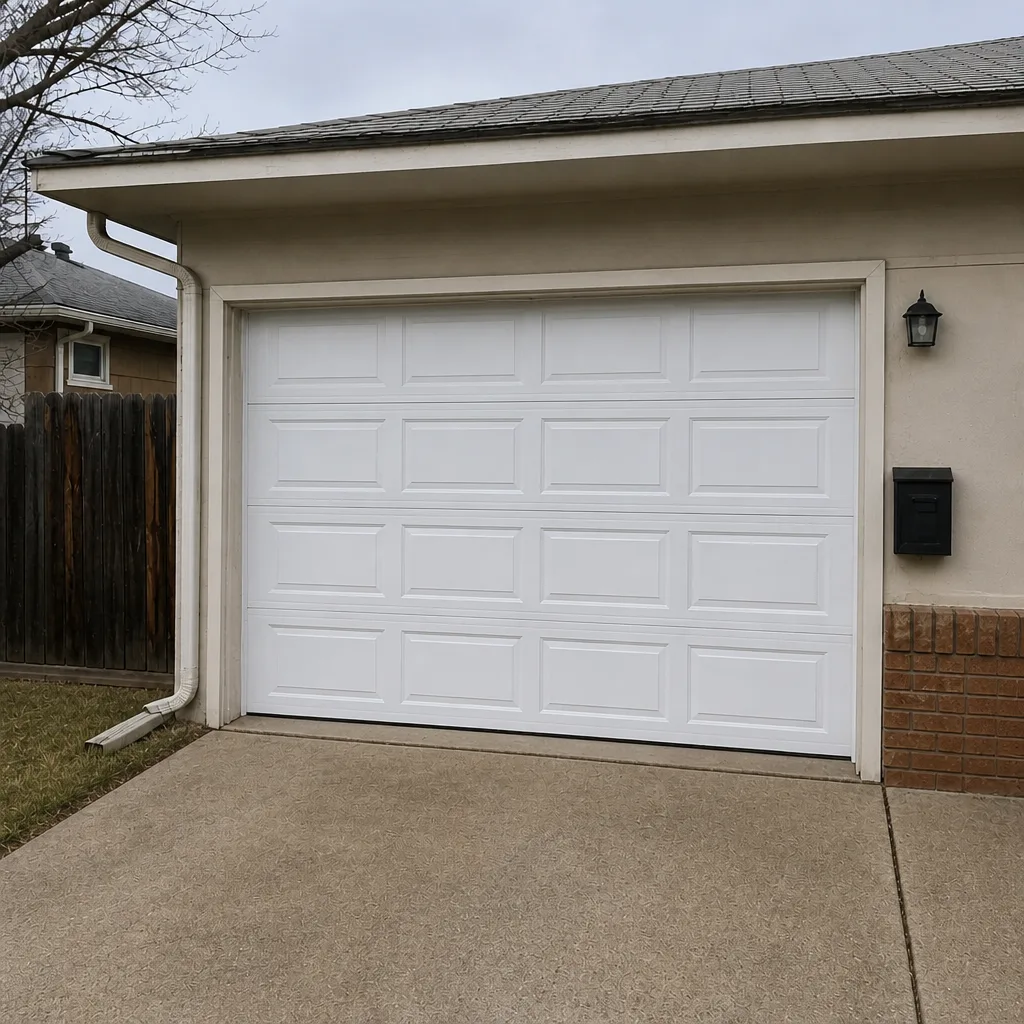 After
When to Call a Professional
The line between “I’ll handle this in five minutes” and “call someone” is clear once you know it. Call us when a spring or cable is visibly damaged, frayed, or stretched; when the door won’t open or close smoothly; when a balance test fails; when the opener grinds or the safety reverse doesn’t respond; or when a door has passed its estimated cycle count and you’re not sure how much time it has. Leave any inspection that involves tensioned springs or cables to a trained technician. Englewood Garage Door Repair Pros offers free estimates in Englewood; call (833) 513-8729. Our technicians have up to 11 years of experience, and we work with the brand and model on your door so you’re never getting a substitute fix. We answer 24/7, with fast dispatch from 7am to 7pm, Sunday through Friday.
Frequently Asked Questions
For Englewood, late summer into fall is the best window, because an inspection before the first hard freeze gives you time to replace a worn seal, spring, or cable before winter. A spring check in March is the next best time, since freeze-thaw stresses parts. Call (833) 513-8729 for a free estimate.
Lubricate the hinges, rollers, and springs about twice a year, and never lubricate the tracks or the bottom seal. A light silicone or manufacturer-approved lubricant is the safest default. If you’re not sure what your model needs, call (833) 513-8729 and we’ll point you right.
You can safely do the monthly checks, seasonal cleaning, and lubrication, plus the balance test and cable visual. Skip any work on tensioned springs or cables; those are dangerous and belong to a trained technician. Call (833) 513-8729 when a spring or cable looks worn.
Watch for a door that gets heavy, a balance test where the door sinks instead of holding, visible gaps or sag in the spring, or a shutter on opening. Those are early warnings. Call (833) 513-8729 for an inspection rather than waiting for it to snap.
Springs are typically rated around 10,000 cycles, which is roughly seven years on a four-cycle-day door and longer on a lighter one. Springs and cables wear faster with freeze-thaw and can fail earlier. Call (833) 513-8729 and we can estimate where yours sits.
Yes, emergency service is a core part of what we do. Call (833) 513-8729; we answer 24/7, and fast dispatch runs from 7am to 7pm, Sunday through Friday. A call outside those hours books into the next opening. Same-day service is available.
The Bottom Line
Garage door maintenance isn’t a once-a-year chore or a season of tasks. It’s a rhythm: five minutes once a month, a handful of tasks timed to Colorado’s freeze-thaw and summer heat, and one professional inspection a year. Lubricate hinges, rollers, and springs; keep the tracks dry; and read the balance and cable tests as early warnings, not after the fact. Keep an eye on your cycle count so you know where your door sits. When something’s past your comfort level, especially anything touching tensioned springs or cables, that’s the time to call the specialist. Englewood Garage Door Repair Pros can repair your opener today and install a full new door system when the time comes, all in one place.
Ready to get your garage door on a schedule? Call (833) 513-8729 for a free estimate. We answer 24/7, with fast dispatch from 7am to 7pm, Sunday through Friday, and the price is quoted and agreed before any work starts.
Written by the team at Englewood Garage Door Repair Pros.