
Last updated November 20, 2026
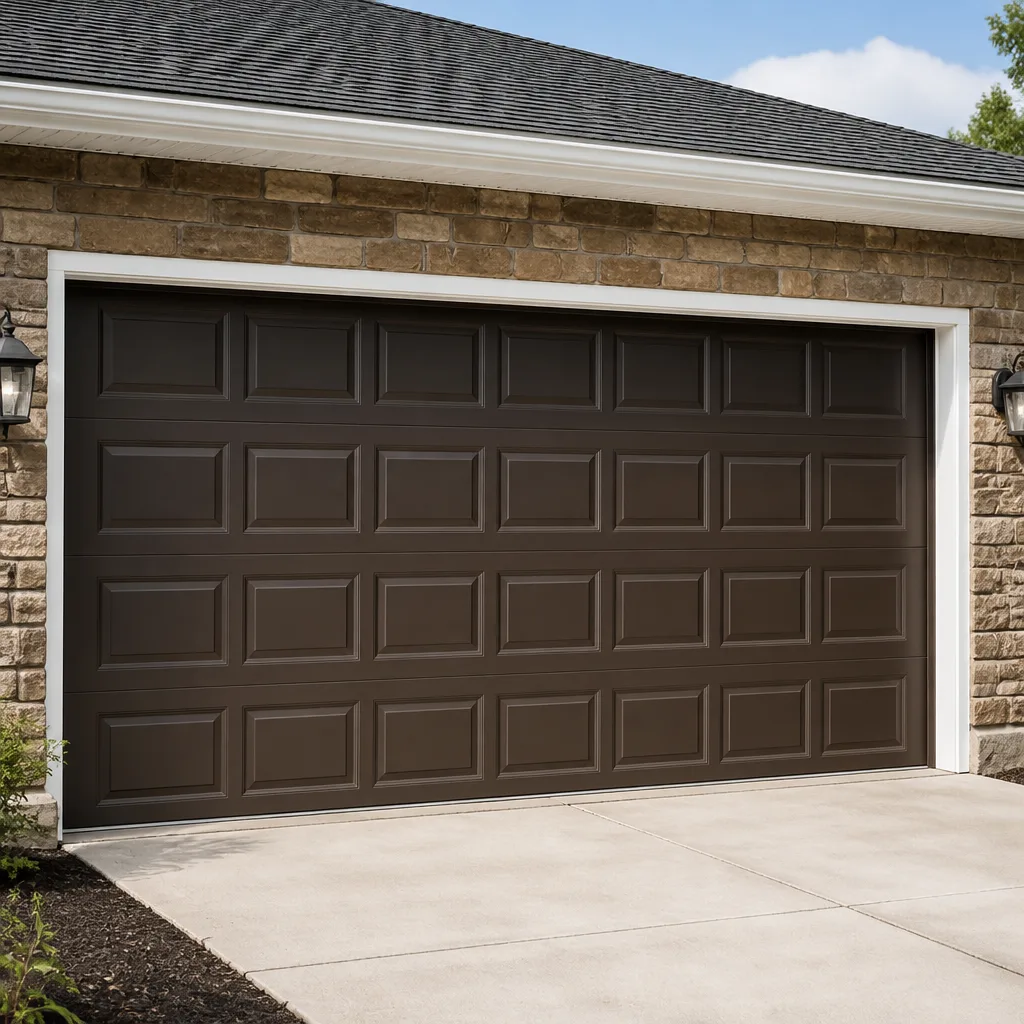 Raised-panel steel
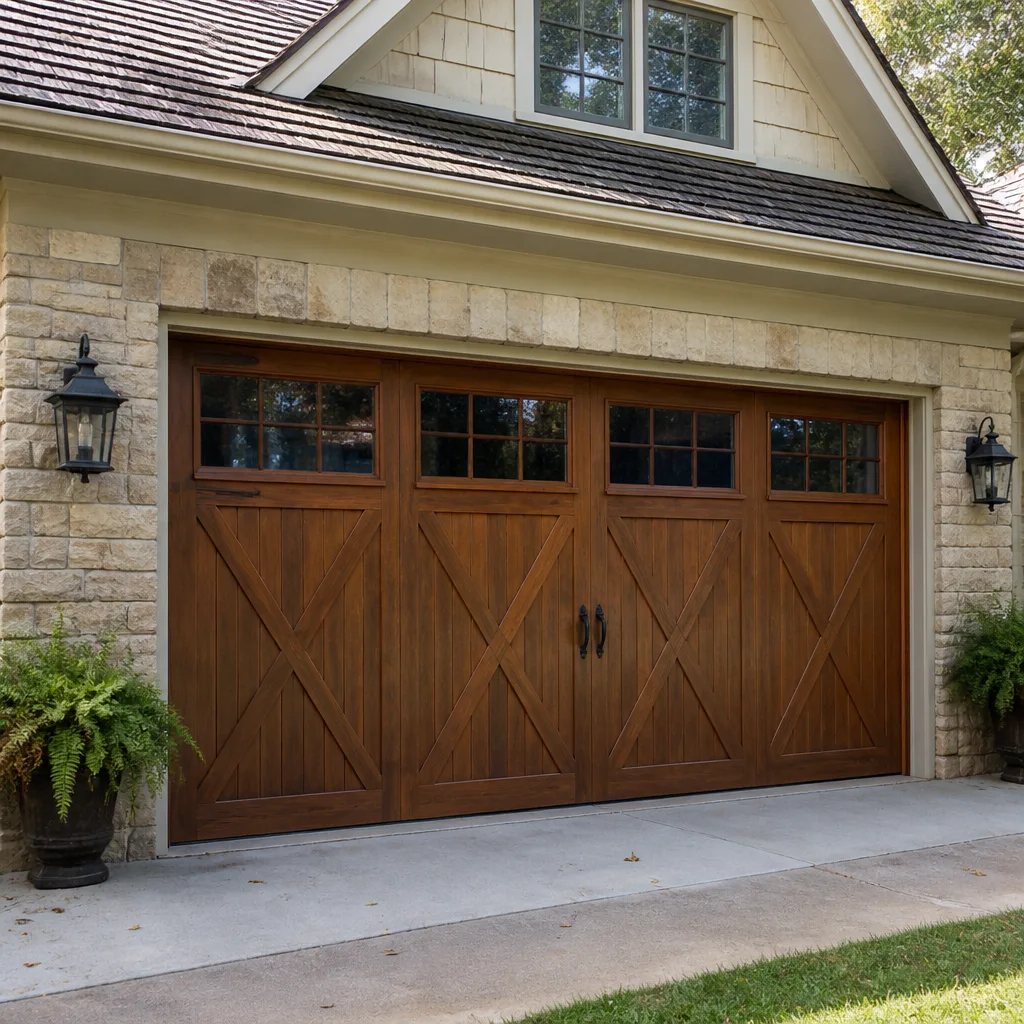 Carriage house
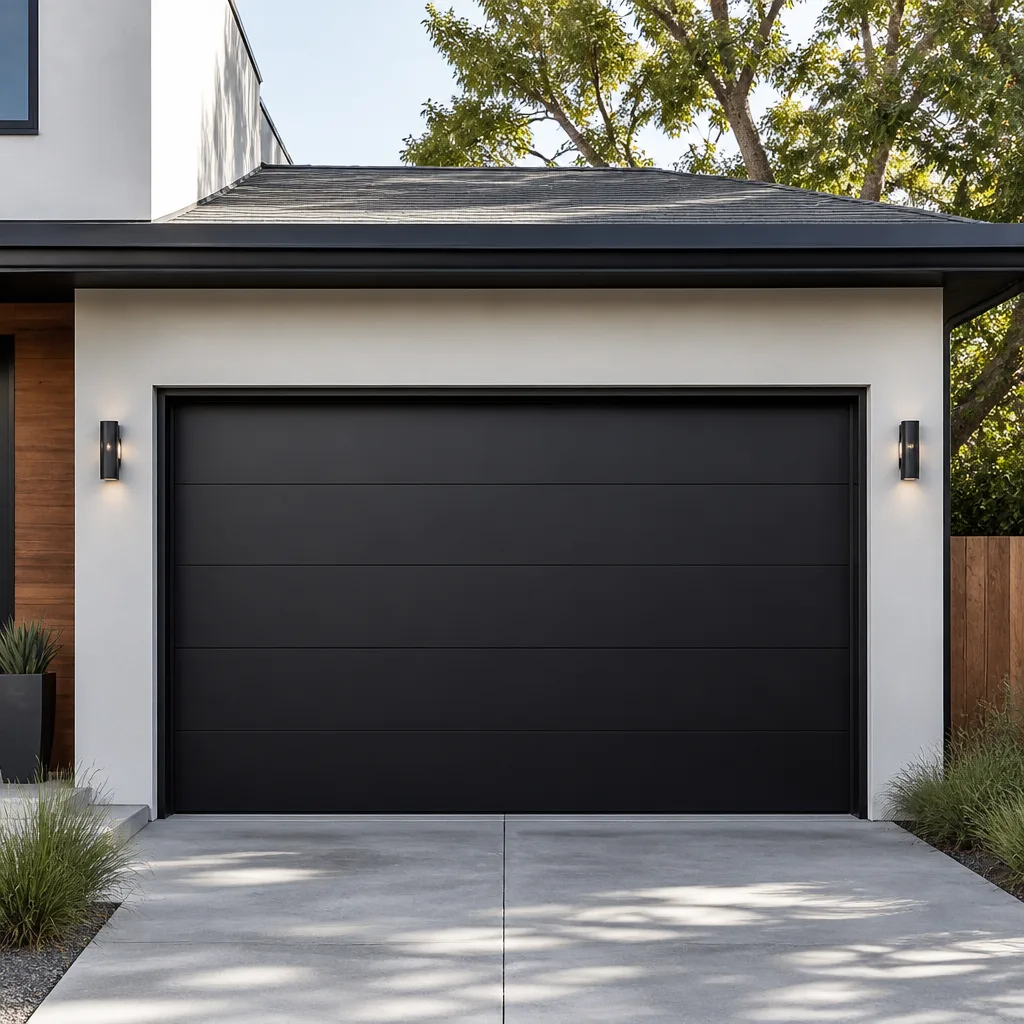 Modern flush
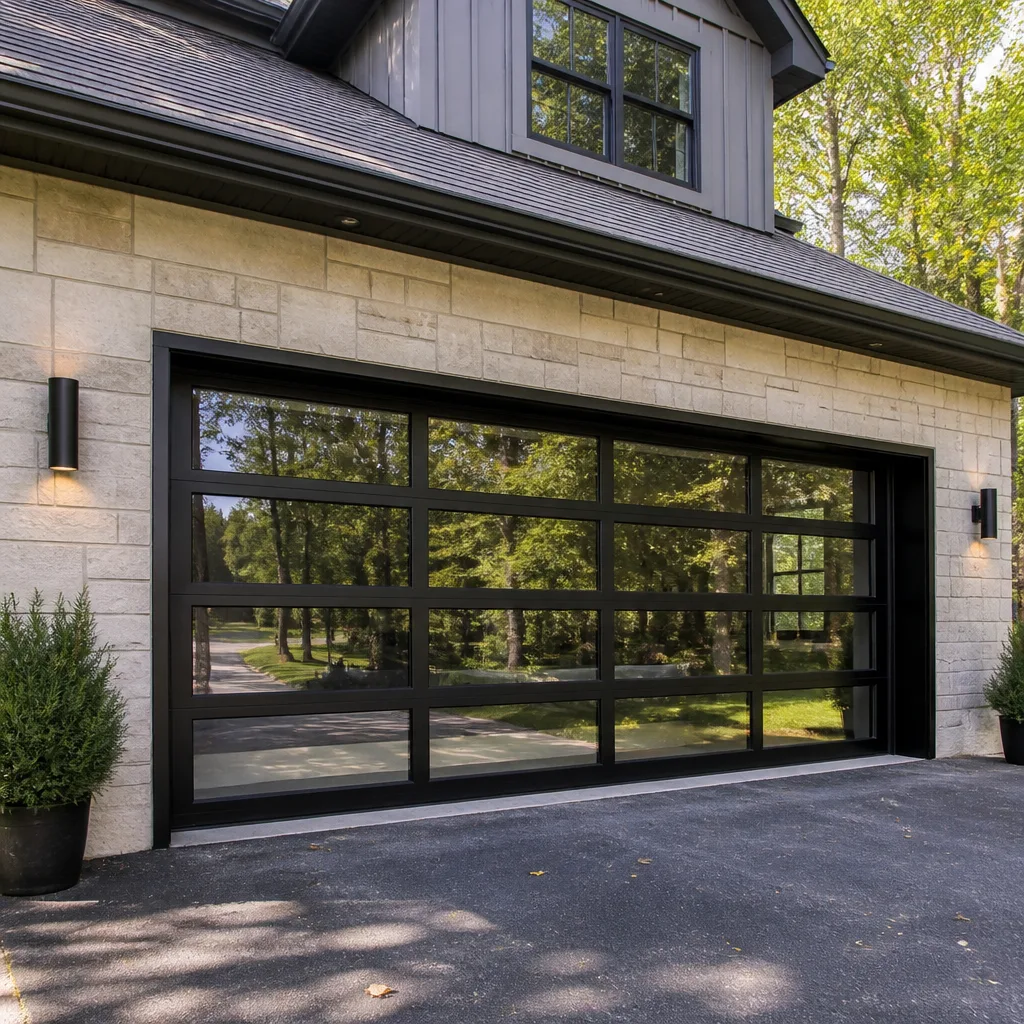 Full-view glass
 LiftMaster openers
 Chamberlain openers
Full 25-point door and opener safety check with every visit - springs, cables, rollers, tracks, and your LiftMaster or Chamberlain opener included
You get a price before we start. It does not change when the pro arrives.
Get your free estimateDIY vs Professional Garage Door: The Englewood Homeowner’s Decision Guide
Garage door springs store enough energy to cause serious injury. That’s not a liability disclaimer, it’s physics. A torsion spring on a standard two-car door holds tension equivalent to a loaded engine block, and when it lets go it does so in a fraction of a second with no warning. So the DIY question here isn’t really “am I handy enough?” It’s “do I understand what I’d be handling?” This guide separates the garage door tasks a careful Englewood homeowner can genuinely own from the ones where the risk, the warranty, and the physics all point to a professional. You’ll leave knowing exactly where you sit.
Quick Answer
Some garage door work is safe and appropriate for a homeowner to do: testing and aligning safety sensors, replacing weatherstripping, lubricating moving parts, and programming a remote or keypad. Work involving torsion or extension springs, lift cables, and track realignment belongs to a trained technician, because those components hold stored energy or support the full weight of the door. In Englewood, where doors contend with cold winters and hard freeze-thaw swings, both the DIY-friendly and professional-only categories matter more than they do in milder climates.
Styles & brands we work with
- Raised-panel steel
- Carriage house
- Modern flush
- Full-view glass
- LiftMaster openers
- Chamberlain openers
Table of Contents
- The Physics Nobody Explains: What a Spring Actually Holds
- Safe DIY Tasks in Englewood (And How to Do Them Correctly)
- The Four Jobs You Should Never DIY
- How DIY Work Can Void Manufacturer Warranties in Colorado
- Honest Cost Comparison: DIY vs Professional for the Five Most Common Jobs
- What YouTube Gets Right and Wrong About Spring Replacement
- Why Englewood’s Climate Changes the DIY Equation
- Track Alignment and Roller Care: The Middle Ground
The Physics Nobody Explains: What a Spring Actually Holds
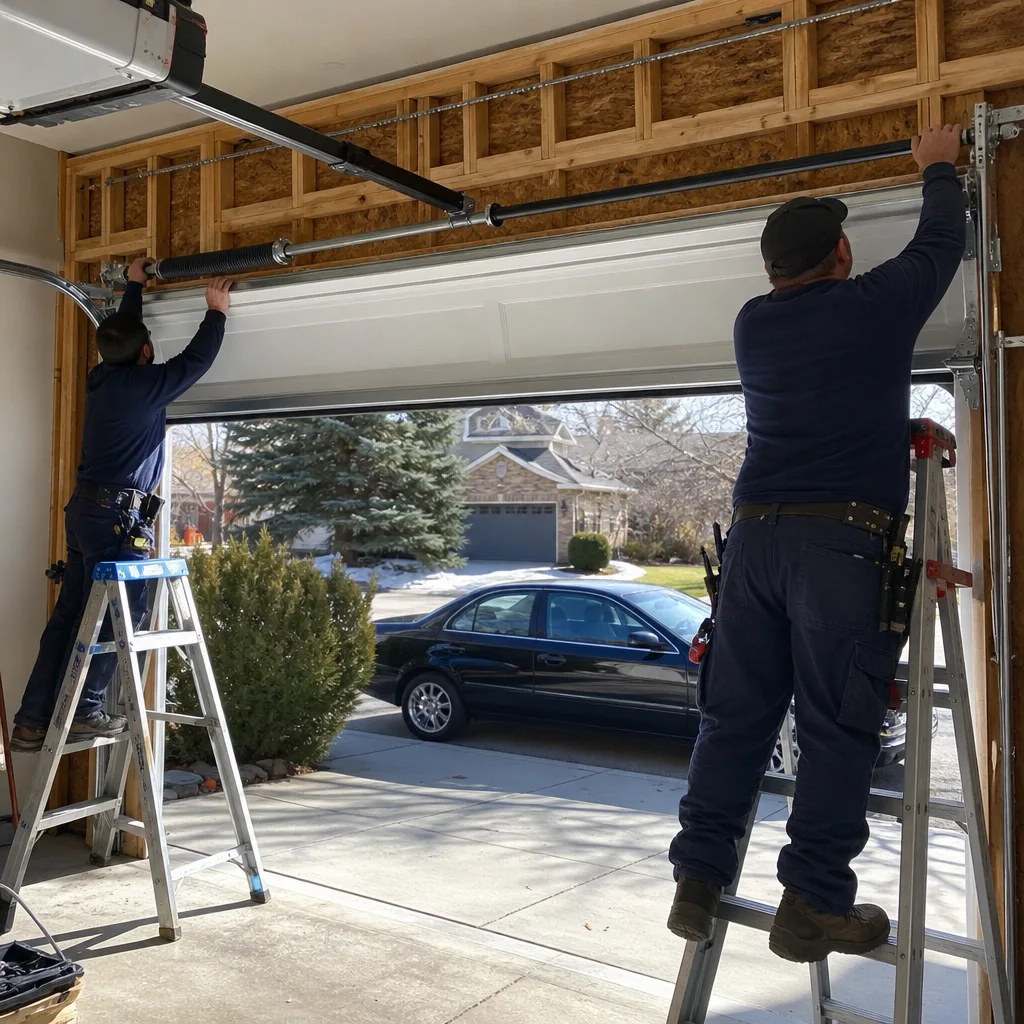
A torsion spring is a wound strip of steel under continuous tension. Its job is to counterbalance a door that typically weighs somewhere between 150 and 250 pounds for a standard two-car residential unit. When you raise the door by hand, you’re not lifting that weight, the spring is doing the lifting for you. When the spring breaks, the door becomes dead weight and can come down fast.
That’s why spring work is a safety-first specialty. Technicians use winding bars to release and re-tension torsion springs, and those bars are designed to give the technician control over a release that can otherwise snap violently. Doing the same job with a screwdriver, a pair of pliers, or an improvised bar is how the injury stories start. It’s also why in our experience, the decision to call a professional is easiest to justify on spring work and easiest to justify skipping on sensor alignment.
Englewood homeowners face one more wrinkle. The temperature swings here are wide: a 60-degree afternoon in January is unusual but not unheard of, and a hard cold snap in the teens is normal. Steel contracts and expands across that range, and a spring already near the end of its service life can fail on the first genuinely cold morning of the season. That’s not a scare tactic, it’s a maintenance reality. If your door is more than a few years old and you’ve never had the springs inspected, a professional check before winter is a reasonable call.
Safe DIY Tasks in Englewood (And How to Do Them Correctly)
These are the jobs a homeowner with basic tools, some patience, and a healthy respect for ladders can take on. The technique matters as much as the task, so we’ve described how each one actually works when it’s done right.
Safety sensor testing and alignment
The photoelectric sensors sit about six inches off the ground on either side of the door opening. They shoot an invisible beam across the doorway and reverse the door if the beam is broken. To test them, close the door, then pass a broom handle through the beam. The door should reverse immediately. If it doesn’t, look at the indicator light on each sensor: a steady light usually means aligned, a blinking or dark light means a problem. Alignment typically means loosening the mounting bracket and nudging the sensor until the light goes steady, then re-tightening. This is a five-minute job and one of the highest-value safety checks you can do monthly.
Weatherstripping replacement
The rubber or vinyl seal at the bottom of the door takes the most abuse from freezing temperatures and repeated contact with the slab. Englewood’s freeze-thaw cycles are hard on it. To replace it, raise the door enough to access the bottom bracket, pull the old seal out of its channel, and slide in a new one cut to length. Measure the door width carefully; a seal that’s too short leaves a gap at the corner and lets in cold air and, occasionally, mice. This is a $25 to $60 job on your own and a genuinely worthwhile annual touch-up.
Lubrication of hinges, rollers, and springs
Use a garage-door-specific lubricant, not WD-40, on the hinge pivots and the roller stems. Wipe the old grease off first. You can also lubricate the torsion spring coils lightly, which reduces squeal. Never lubricate the tracks themselves; tracks should be clean and dry so the rollers can ride without slipping. A dry silicone spray on the track surface is the exception, and only a very light coat.
Remote and keypad programming
Programming a new remote on a LiftMaster or a legacy Craftsman opener is a straightforward sequence of button presses that varies by model. If you have the opener manual or can find the model number on the back of the motor head, you can usually complete this in a few minutes. If the opener isn’t responding to programming, the problem is more likely the logic board or the safety-reverse circuit than the remote, and that’s where garage door opener repair becomes a professional call.
The Four Jobs You Should Never DIY
These four categories have injury risk, warranty consequences, or both. We’ve listed the reasons individually because the why matters when you’re deciding in the moment.
- Torsion and extension spring replacement. The wound spring is the most dangerous component in the entire door assembly. Winding it requires the right bars, the right technique, and an understanding of which way the spring is under tension before you touch it. A mistake here is not a matter of a broken part; it’s a matter of a bar or a spring hitting a person. garage door spring repair is the category we treat with the most caution, and it’s the one we’d most strongly advise against a homeowner taking on.
- Cable replacement. Lift cables are under tension even when the springs are relaxed. A snapped or slipping cable can whip across the garage with enough force to cause serious injury. Never handle a cable that has become slack or detached; that’s a sign the spring has already failed and the system is unbalanced.
- Track realignment. A track that’s gone out of plumb makes the door bind and stresses the opener. Realignment involves releasing the door from the opener, supporting the full weight of the door, and adjusting mounting brackets. Done incorrectly, the door can come off the track entirely. In Englewood, foundation movement and seasonal ground shifts can pull a track slightly out of plumb, so if your door started binding after a dry summer, that’s a professional diagnosis.
- Opener replacement. The electrical connection, the header bracket mounting, and the door-balance adjustment that follows are all steps where an error shows up weeks later as a damaged door panel or a stripped gear in the opener. There’s also the warranty issue described below.
How DIY Work Can Void Manufacturer Warranties in Colorado
This is the part of the DIY decision most guides skip entirely. When a manufacturer warrants a garage door opener or a door system, that warranty is written for professional installation. The reason isn’t that manufacturers distrust homeowners; it’s that the adjustments made during professional installation (door balance, force limits, travel limits) are what the warranty assumes. If those settings are wrong or the door was installed with an improper spring match, failures inside the warranty window can be attributed to installation error and denied.
On the door side, DIY installation of a Clopay or Amarr door can leave you on the hook for finish and hardware failures the manufacturer would otherwise cover. On the opener side, the same principle applies to LiftMaster and Chamberlain units; the myQ ecosystem, for example, works best when the opener was installed with correct travel and safety-reverse settings, because those settings are the same ones that trip the safety sensors the app monitors. If a garage door opener isn’t working properly after a DIY install, the manufacturer can reasonably ask who installed it before authorizing a warranty repair.
What should you do with that information? Keep receipts, keep the model and serial number, and if you’ve installed a system yourself, be aware that some failures won’t be covered. If warranty preservation matters to you (and it often does on newer doors and openers), the professional install is part of the value. If you’re shopping for a new opener, we’re happy to talk through brand and model options and what each warranty actually covers; the same company that repairs an opener today can supply and install a full new door system when the time comes.
Honest Cost Comparison: DIY vs Professional for the Five Most Common Jobs
This is where the DIY vs professional question is usually decided. Here’s a straightforward breakdown, with the caveat that “DIY cost” is only parts and time, and it doesn’t account for the risk time if something goes wrong on a job you shouldn’t have tried yourself. All professional figures below are typical estimated ranges; the written estimate sets the final price.
| Job | Typical DIY Parts Cost | Typical Professional Estimate | Verdict |
|---|---|---|---|
| Safety sensor alignment | $0 | Included in service call if paired with other work | DIY |
| Weatherstripping replacement | $25 – $60 | $80 – $160 | DIY if you’re comfortable with a ladder |
| Spring replacement (one spring) | $40 – $90 for the part alone | $180 – $340 | Professional, no exceptions |
| Cable replacement | $20 – $50 per cable | $160 – $300 per cable | Professional |
| Opener replacement | $150 – $300 for the unit itself | $350 – $650 installed | Professional (warranty) |
Notice what’s missing from the DIY column: the cost of an injury, the cost of a door that’s out of balance and destroys an opener gear, the cost of a warranty claim denied. Those don’t show up on a parts receipt. When you factor them in, the professional column on the middle three rows looks a lot less expensive.
One more point the table can’t show: a matched pair of springs is almost always replaced together, not one at a time. Weathered springs fail in sequence, and putting one new spring next to one old one puts uneven tension on the door. So a typical professional estimate for a two-spring door is roughly double the one-spring range above. That’s not an upsell; it’s what the door actually needs. Call (833) 513-8729 for a free estimate if you want a number for your specific door.
What YouTube Gets Right and Wrong About Spring Replacement
YouTube gets the concept right. A torsion spring is wound using two winding bars, the spring is rated for a specific number of turns, and the door counterbalance is set by tension, not by force. If you watch enough videos you’ll understand what the technician is doing and why.
What it gets wrong is the danger. On video, winding a spring looks controlled. In person, a winding bar slipping out of a winding cone that’s under tension is a different experience entirely. The camera doesn’t convey the force stored in the spring, the noise it makes when it’s close to failure, or how quickly a bad turn becomes a bad day. Videos also don’t typically show the case where the spring has already partially failed, or the door has been lifted unevenly, or the bottom bracket has come loose because a previous repair was done with too few screws. Those are the situations where an experienced eye catches the problem before it becomes a real one.
What videos genuinely help with: learning the terminology so you can have a useful conversation with a technician, understanding the difference between torsion and extension springs, and knowing which parts of your door you should never touch. Watch them for understanding. Don’t watch them as training.
If you’ve decided spring replacement needs a professional, that’s the right call, and it’s the category we take most seriously. Our technicians have up to 11 years of experience, and we work with the full range of spring types found on residential doors in Englewood, including extensions, torsion, and high-lift configurations.
Why Englewood’s Climate Changes the DIY Equation
Englewood’s climate is harder on garage doors than people expect. Dry summers followed by hard winters mean wide swings in temperature and humidity, and those swings are what cause wood to dry out, seal to crack, hardware to loosen, and springs to fail. The freeze-thaw cycle is the specific culprit: water seeps into small gaps, freezes, expands, and widens the gap. Over a few seasons that’s a loosened track bracket, a cracked seal, or a hinge that’s lost its bite.
That means some DIY jobs that would be a once-a-decade task in a milder climate are annual tasks here. Weatherstripping, lubrication, and hardware checks are worth doing every fall, before the cold sets in. If you wait until a January cold snap to notice a seal has failed, you’ll be dealing with a frozen door and possibly a damaged bottom panel.
The other climate factor is the sun. Englewood’s high altitude and strong summer sun age a painted steel door faster than in most of the country. If your door is showing faded paint or rust spots at the bottom, that’s a cue to think about whether a refinish or a new door makes more sense. It’s also a good time to think about how the door will behave in ten more winters, and whether the opener and springs can handle it. We’re glad to look at the whole system and give you a straight assessment of repair vs replacement.
Track Alignment and Roller Care: The Middle Ground
Track and roller maintenance sits between the easy DIY jobs and the professional-only ones. You can and should inspect them yourself. You can safely clean the tracks, wipe the rollers, and check for visible damage. Realignment, however, is a professional task, because getting the door back on the track and re-leveling it correctly requires supporting the door’s full weight.
Here’s what a reasonable monthly inspection looks like, and this is the safe version:
- Look down each vertical track from the floor up. It should be straight, plumb, and free of dents. Any bowing or visible bend is a professional call.
- Check the rollers (the small wheels that ride inside the track). Nylon rollers should spin freely; steel rollers should be smooth. Grinding or wobbling means replacement.
- Wipe debris out of the track with a dry cloth. Don’t lubricate the track surface beyond a very light silicone spray; grease attracts grit and makes rollers slip.
- Look at the hinges at each joint on the door. Loose hinge plates can be tightened with a socket wrench, but don’t over-tighten; the hinge needs to pivot.
- Open and close the door by hand (with the opener disconnected, using the release cord). It should move smoothly, without binding or a heavy spot at the bottom. A binding door is an unbalanced door, and it’s a sign something in the spring or track system needs professional attention.
This inspection takes about ten minutes and catches most problems before they become expensive. In Englewood, we recommend doing it every spring and every fall. If you’d rather have a technician walk through it with you, that’s a regular part of our garage door repair service visits.
Common Mistakes to Avoid
- Forcing a door that won’t budge. If the door won’t open all the way, the problem is usually a broken spring or a binding track. Pushing on it strains the opener and the door panels; stop and diagnose instead. This is the single most common mistake we hear about.
- Using WD-40 as a garage door lubricant. It’s a solvent, not a lubricant. It’ll make the door quieter for a day and then leave the moving parts drier than before. Use a garage-door-specific lubricant.
- Assuming a sensor problem is a sensor problem. If the door goes down and comes right back up, the sensors are one possibility, but the force settings on the opener are another. If it happens after a cold snap in Englewood, the door is binding; that’s an unbalanced door, not a misaligned sensor.
- Installing an opener without checking the door balance. A new opener on an unbalanced door does two things badly: it strains itself, and it strains the door. The opener is only supposed to move the door, not lift it.
- Buying the cheapest spring or opener part. Some aftermarket springs are rated for far fewer cycles than the original. The dollar saved up front gets spent again sooner.
- Doing a spring or cable job while the door is still connected to the opener. Even a “broken” spring can still have partial tension. Never touch a spring or cable on a door that isn’t safely locked out.
- Skipping the fall inspection in a freeze-thaw climate. In Englewood, a small seal crack in October is a bigger problem in February. A little maintenance in the fall is worth more than an emergency repair in winter.
See the difference
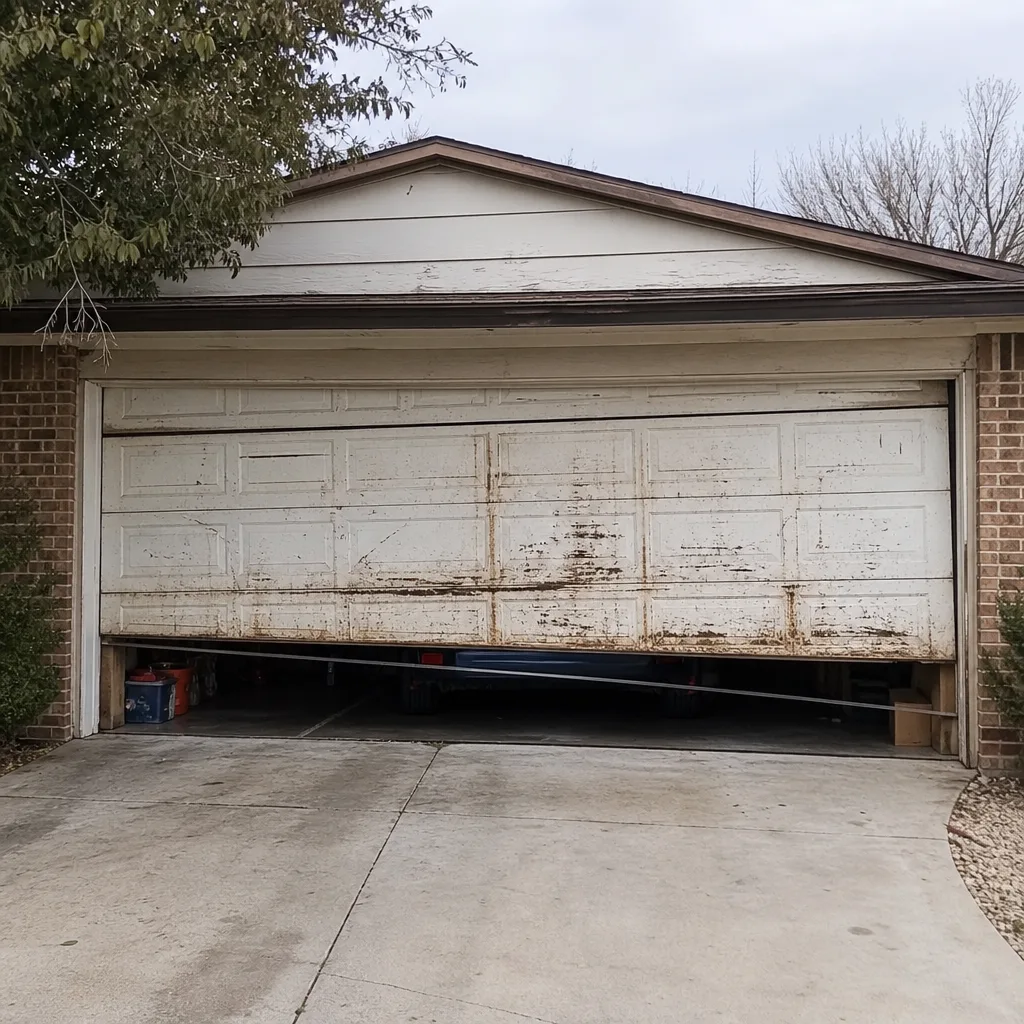 Before
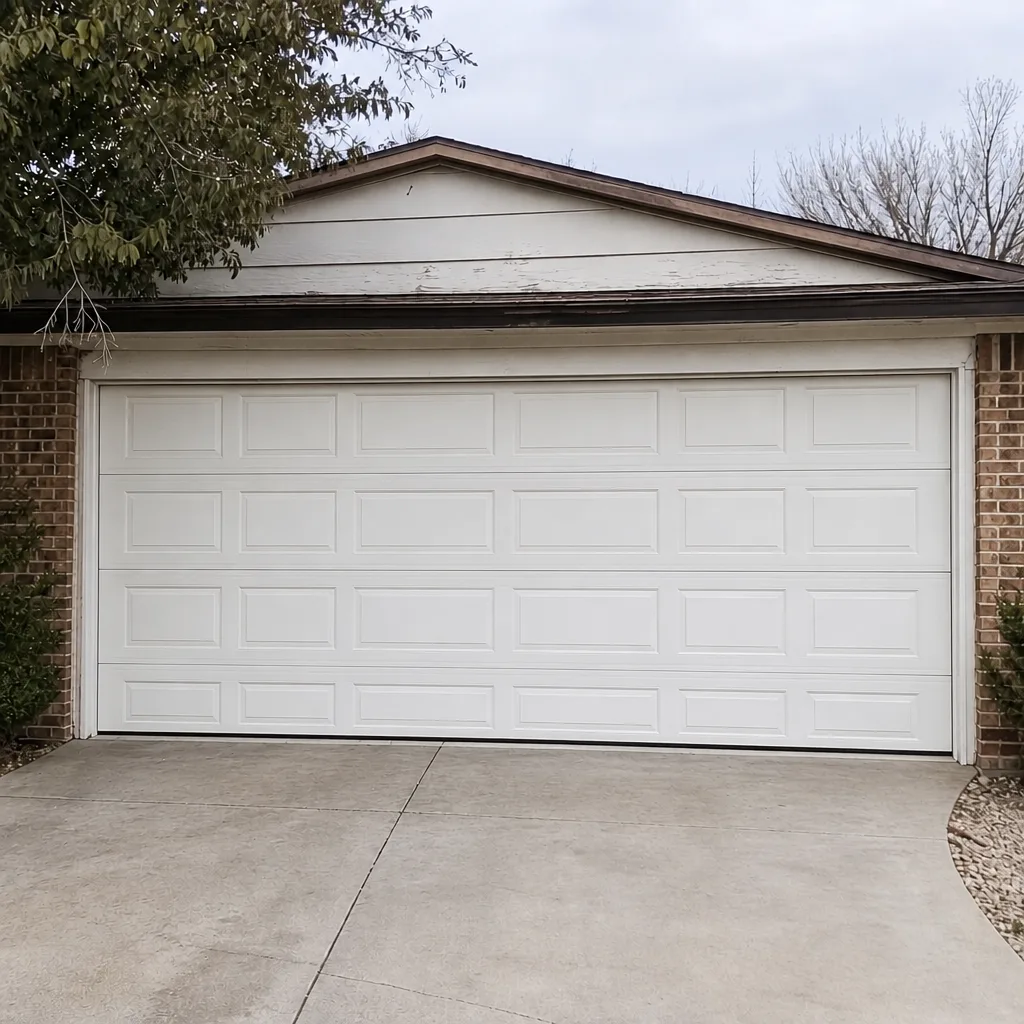 After
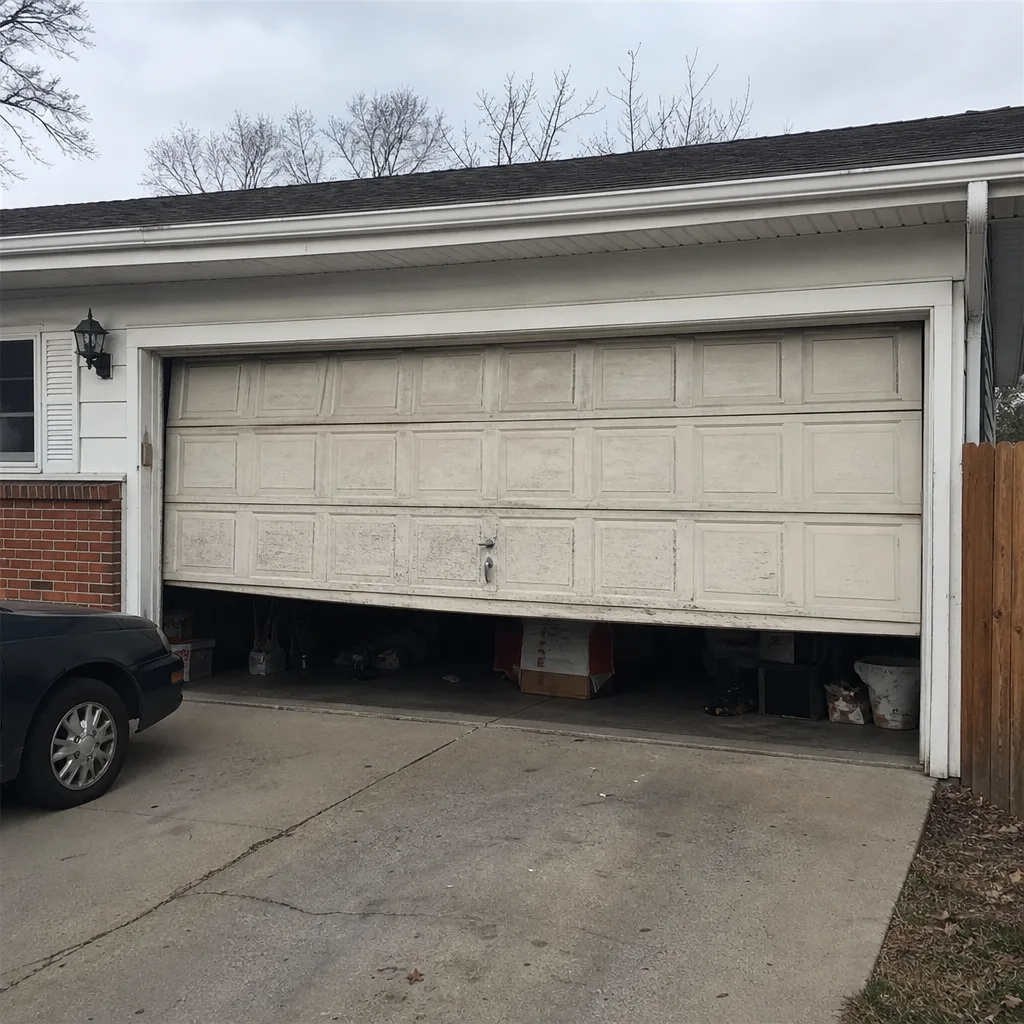 Before
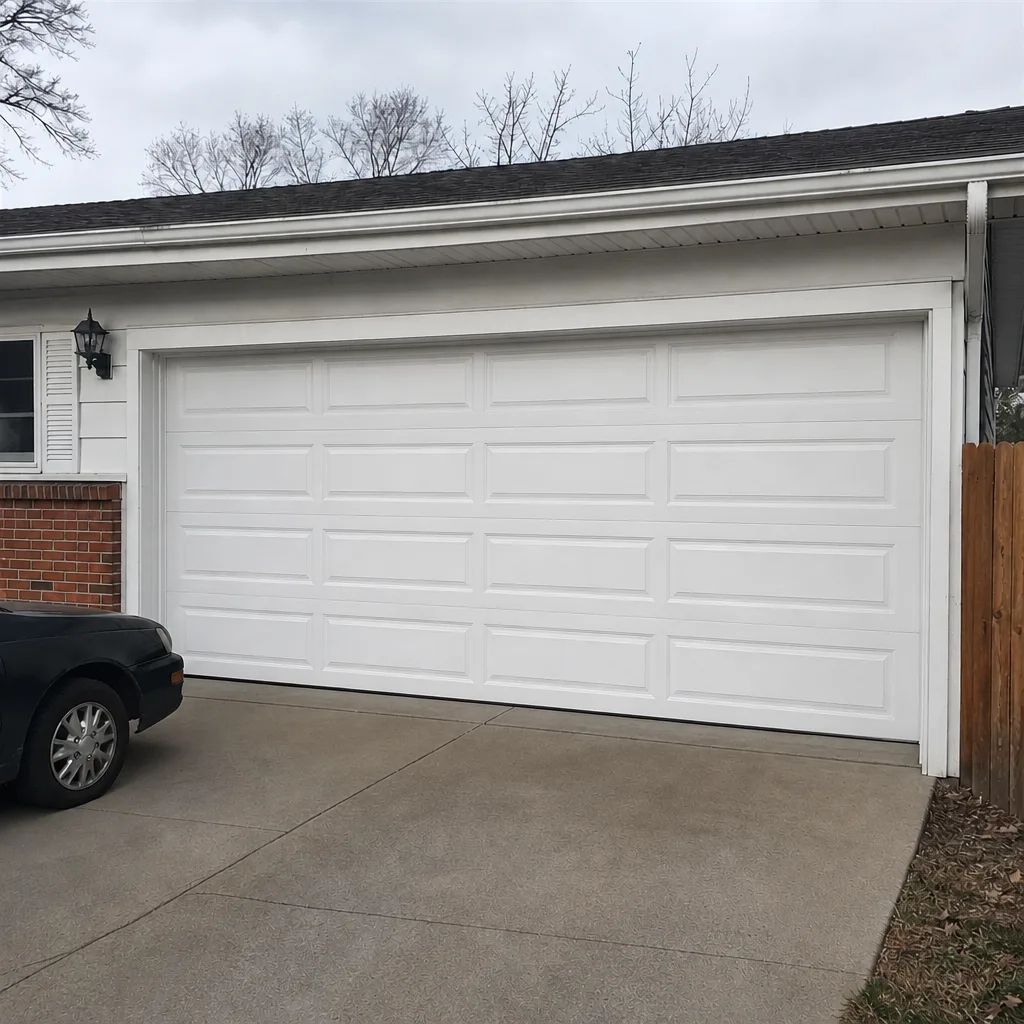 After
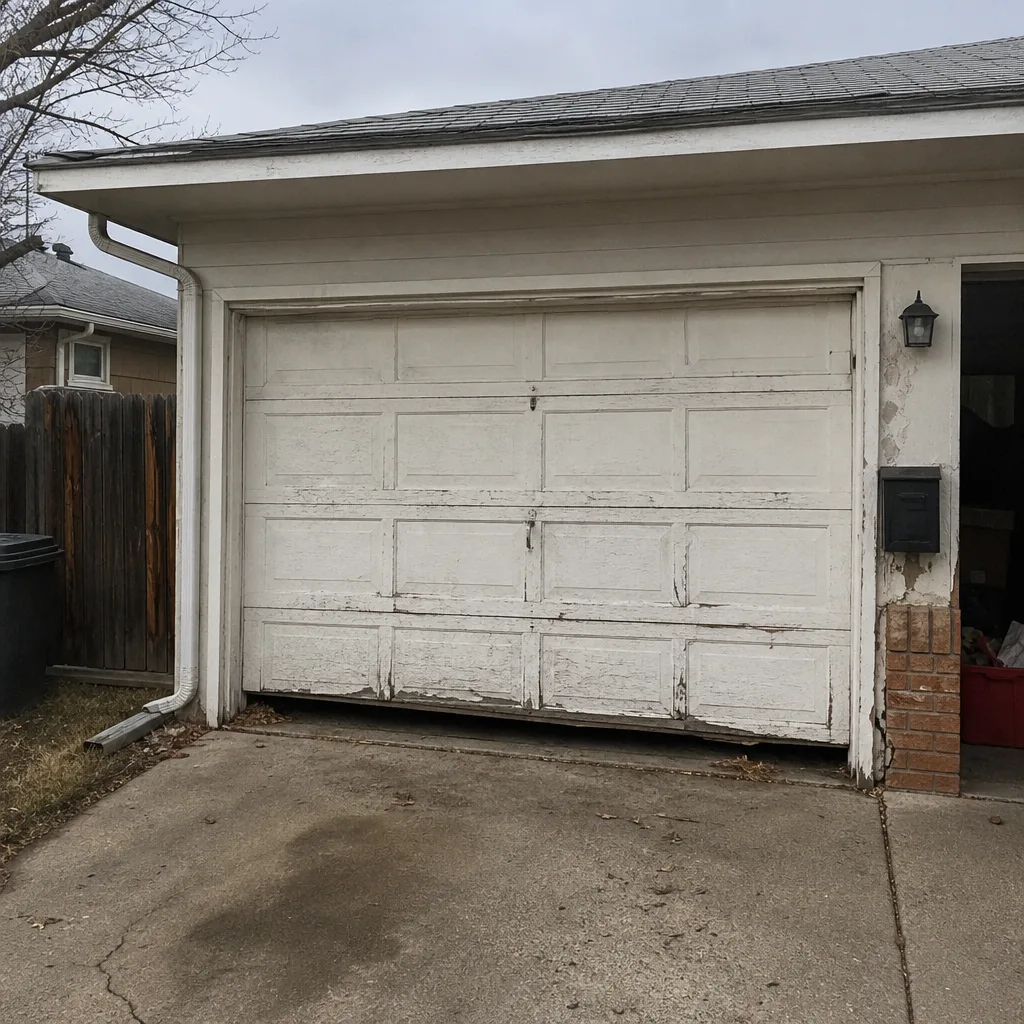 Before
 After
When to Call a Professional
Call a professional if any of the following is true: a spring has broken or you can see gaps in the coiled spring; a cable is slack or off its drum; the door is crooked or off its track; the door opens and closes unevenly or with a heavy spot; the opener grinds, clicks, or reverses without a reason; the door has come off the track; or you’ve watched a problem get worse over a few weeks. In Englewood and the surrounding neighborhoods, we handle each of these. Englewood Garage Door Repair Pros offers free estimates in Englewood, call (833) 513-8729. We answer 24/7. Fast dispatch from 7am to 7pm, Sunday through Friday. The quote is agreed before any work starts, and the written estimate sets the final price.
Frequently Asked Questions
We don’t recommend it. A torsion spring holds enough stored energy to cause serious injury if it releases unexpectedly, and the winding process requires specialized bars and technique. Spring repair is the one task where the safety margin between a trained pro and a homeowner is the widest. If you have a broken spring, leave the door closed and call (833) 513-8729 for a free estimate.
Typical estimates for one spring on a residential door in the Englewood area run about $180 to $340. Most doors use a matched pair, and because a pair is replaced together, the pair estimate is roughly double the single-spring range. The written estimate sets the final price, and there’s no charge for the estimate itself. Call (833) 513-8729 to get a number for your specific door.
In many cases, yes, or at least it can complicate a claim. LiftMaster, Chamberlain, Genie, and most major brands write their warranty for professional installation, and the settings the warranty assumes (door balance, force limits, travel limits) are made during a professional install. If a failure occurs inside the warranty window and the installation doesn’t meet the manufacturer’s requirements, a claim can be denied. Keep receipts and the model number either way.
Sensor testing and alignment, weatherstripping replacement, lubrication of hinges, rollers, and springs, remote and keypad programming, and a monthly visual inspection of the tracks and rollers. These are all in the safe category and most of them take under fifteen minutes. Anything involving springs, cables, track realignment, or opener installation should go to a professional. In Englewood the yearly fall inspection is the most valuable DIY habit, given the freeze-thaw cycle.
Yes, same-day service is available for repair calls in the Englewood area. We answer 24/7, and a call outside dispatch hours is booked into the next opening, Sunday through Friday, 7am to 7pm. The price is quoted and agreed before any work starts, so you’ll know the number before we begin. Call (833) 513-8729.
The local professionals we connect you with are licensed and insured as their state requires. Our technicians have up to 11 years of experience, and they work with the specific brand and model in your garage, whether that’s a LiftMaster, a Wayne Dalton, a Raynor, or a legacy Craftsman. If you’ve got a brand you’re unsure about, ask when you call; we can tell you what we work on.
The Bottom Line
The DIY vs professional question for garage doors has a cleaner answer than most home repairs. Some tasks are genuinely yours: sensor alignment, weatherstripping, lubrication, programming, and routine inspection. Others carry real injury risk or warranty consequences and belong to a trained technician: springs, cables, track realignment, and opener installation. In Englewood, the freeze-thaw cycle and strong summer sun make both the DIY maintenance and the professional inspections worth doing on schedule. Our technicians have up to 11 years of experience with the eight leading brands, and we’re happy to walk through your door with you, whether you’re ready to book a repair or just trying to figure out what’s next.
Contact
If you’ve read this far and you’re still not sure which side of the line your door’s problem is on, that’s what we’re here for. Englewood Garage Door Repair Pros offers free estimates in Englewood, and we’ll tell you straight whether a job is a DIY task or a professional one. Call (833) 513-8729. We answer 24/7. Fast dispatch from 7am to 7pm, Sunday through Friday. The quote is agreed before any work starts, and the written estimate sets the final price. From a single broken cable to a full new door, we’ve got the range and the brand familiarity to get your door working right on the first visit.
If you’re just starting your research, our Englewood Garage Door Repair Pros page is a good place to see the full scope of what we handle. If you’re shopping for a door or opener replacement, we’re glad to talk through the garage door opener repair side of things versus a full replacement, and what each path looks like for your home.
Written by the team at Englewood Garage Door Repair Pros.