
Last updated November 20, 2026
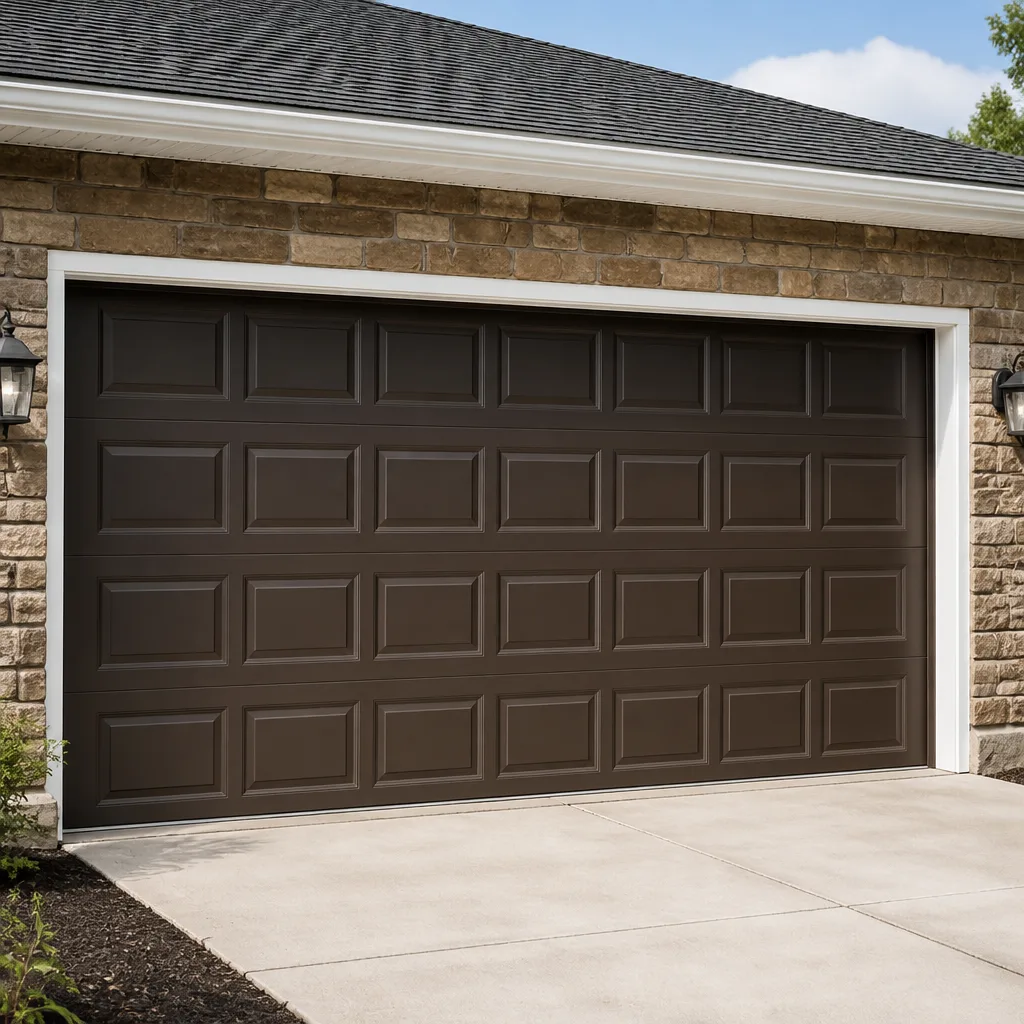 Raised-panel steel
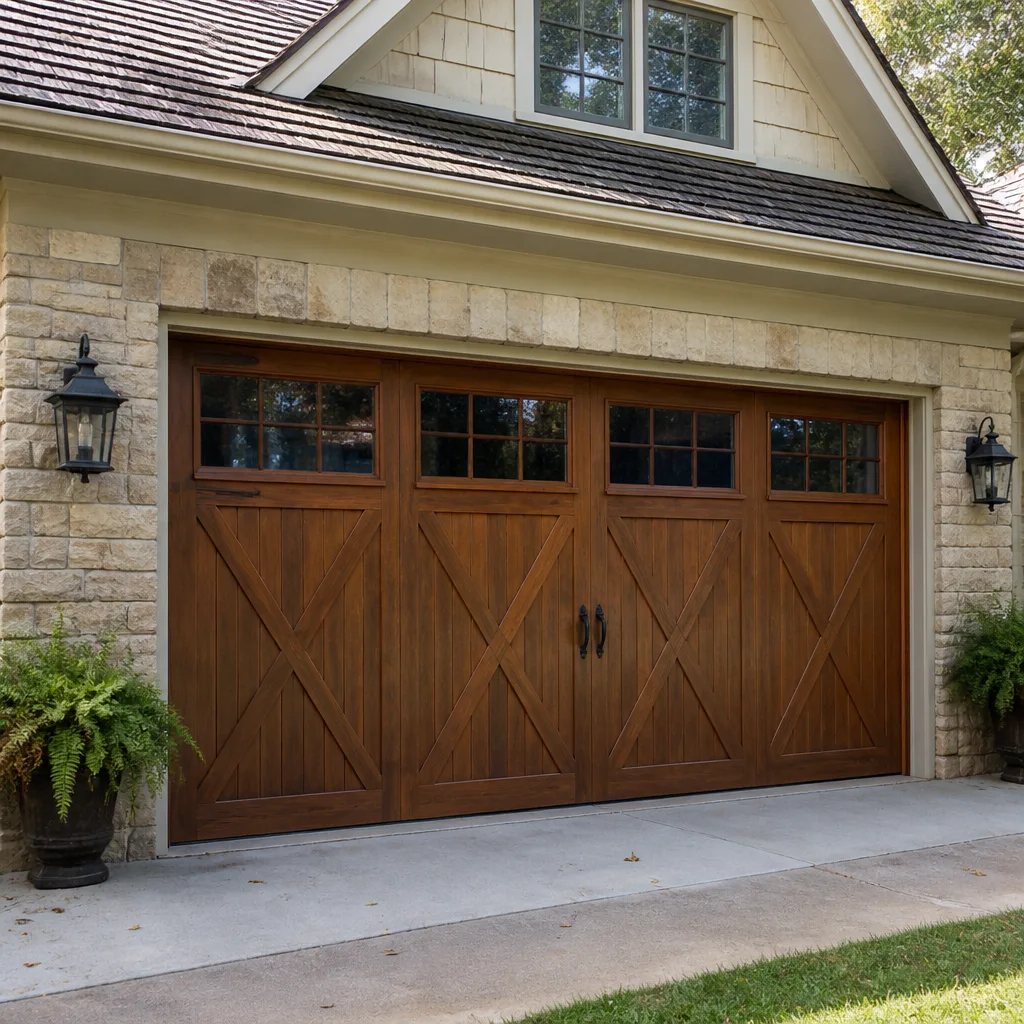 Carriage house
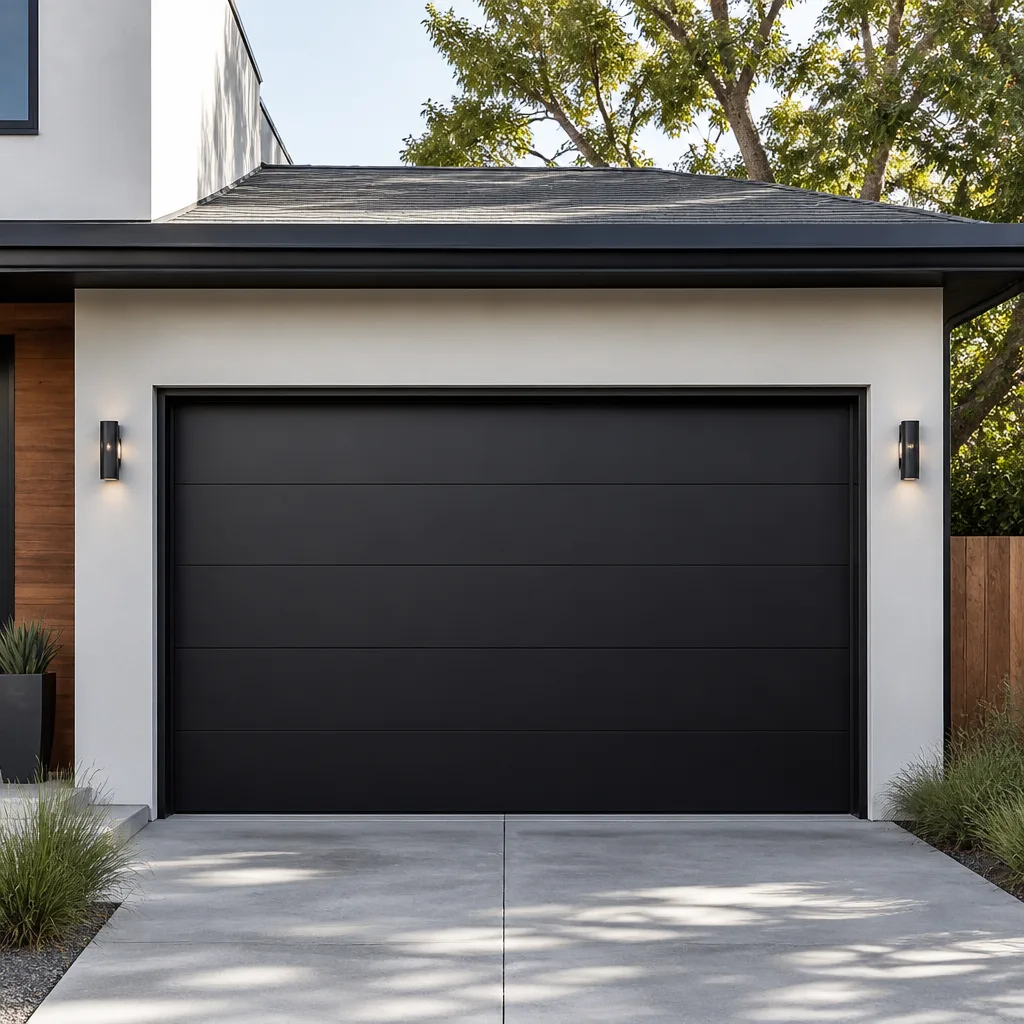 Modern flush
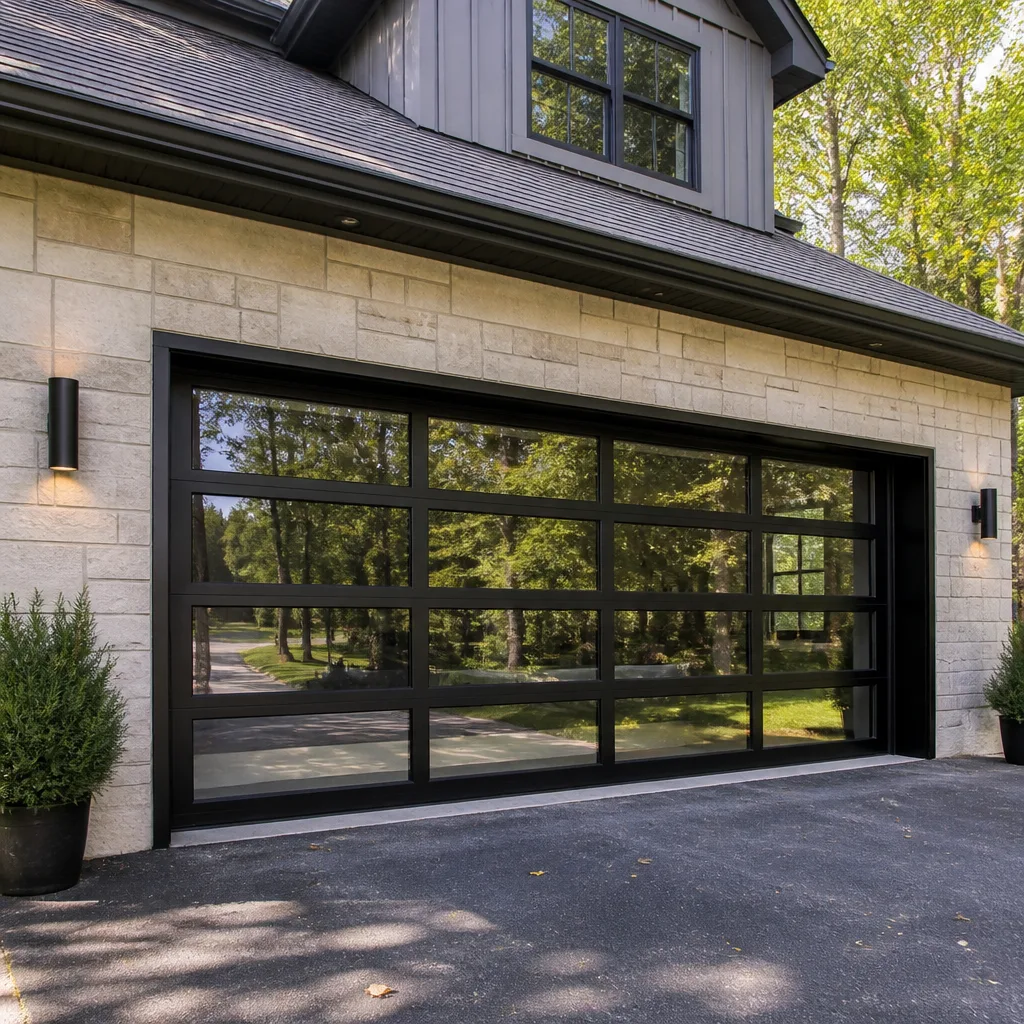 Full-view glass
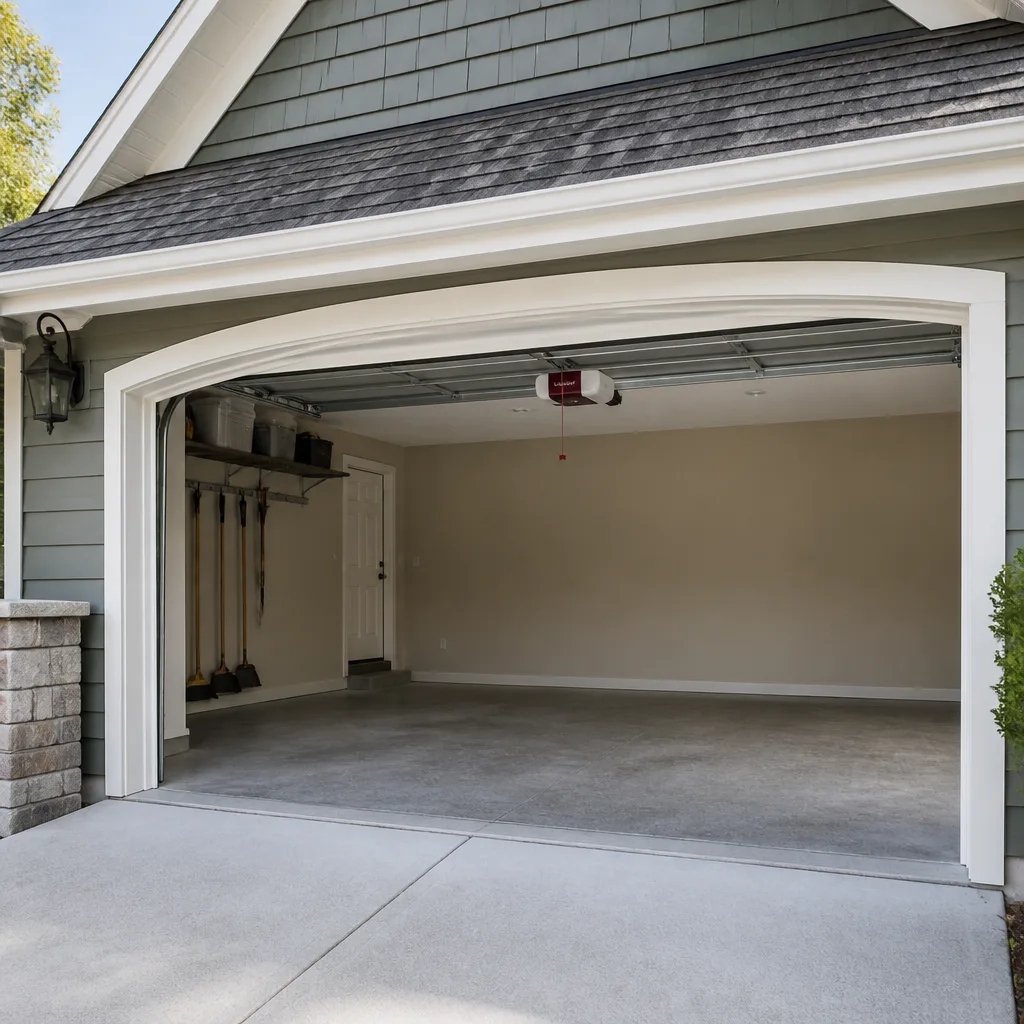 LiftMaster openers
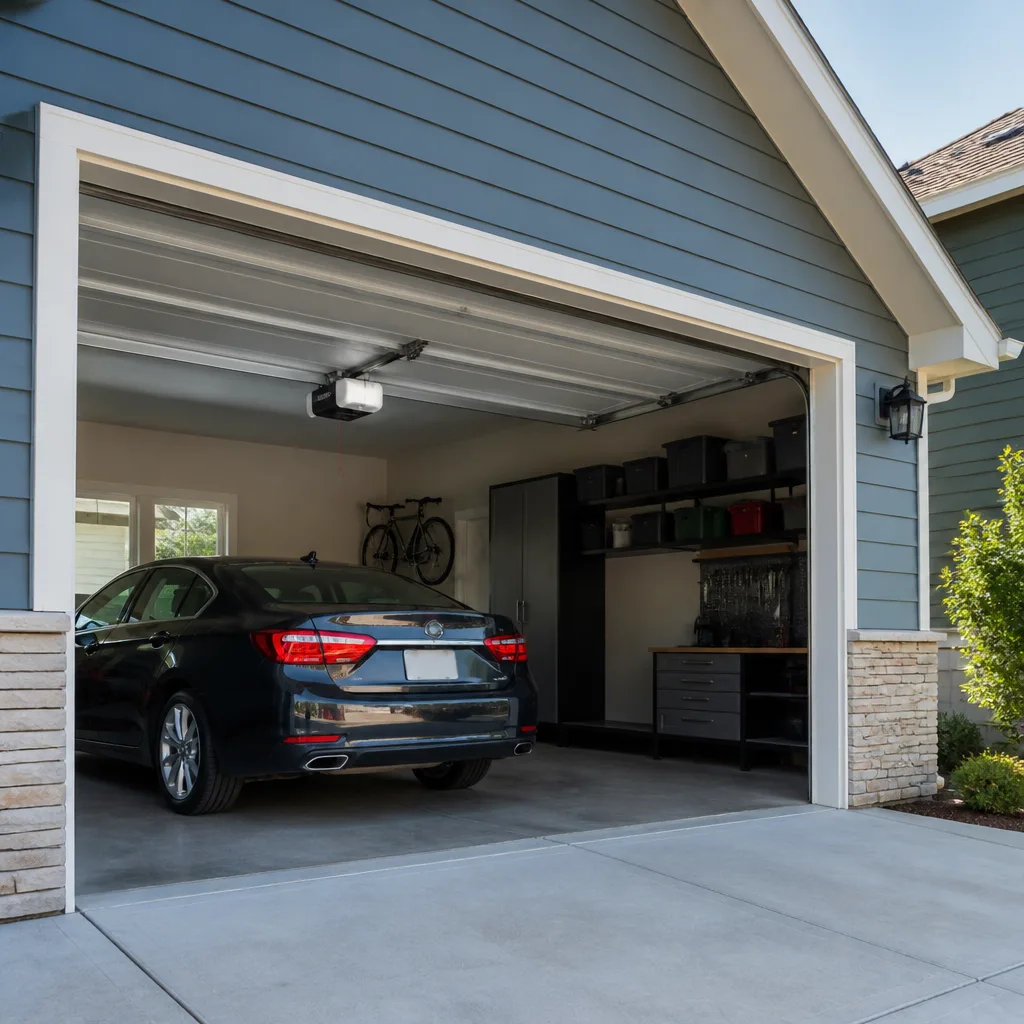 Chamberlain openers
Full 25-point door and opener safety check with every visit - springs, cables, rollers, tracks, and your LiftMaster or Chamberlain opener included
You get a price before we start. It does not change when the pro arrives.
Get your free estimateGarage Door Permits, Codes & Inspections in Englewood, CO: What You Need to Know
Most garage door work in Englewood needs no permit at all. A snapped spring, a bent track, an opener that quit – none of that involves the building department. The moment you change the size of the opening, swap in a door from a different weight class, or touch the wall between the garage and the house, the rules change quickly. Here’s the part that catches homeowners: an Englewood mailing address doesn’t guarantee you’re under City of Englewood code. Some parcels sit in unincorporated Arapahoe County and answer to a different reviewer. This guide walks through which jobs need a permit, how to confirm your jurisdiction, what inspectors look for, and how an unpermitted door can surface during a home sale.
Quick Answer
In most of Englewood, CO, repairing or replacing a garage door in the same opening, same size, same weight class requires no building permit. You generally do need one when the project changes the rough opening, alters the header or framing, adds or replaces an opener circuit, or installs a fire-rated door between an attached garage and the living space. Confirm with the City of Englewood building department, or Arapahoe County if your parcel is unincorporated, before any structural change begins.
Styles & brands we work with
- Raised-panel steel
- Carriage house
- Modern flush
- Full-view glass
- LiftMaster openers
- Chamberlain openers
Table of Contents
- City of Englewood vs. Unincorporated Arapahoe County
- Which Garage Door Jobs Need a Permit
- Which Jobs Typically Don’t
- How to Look Up Your Property’s Jurisdiction
- Fire-Rated Doors Between Garage and Living Space
- What Inspectors Actually Check
- Unpermitted Work and the Home Sale Inspection
- How Englewood’s Climate and Housing Shape the Rules
City of Englewood vs. Unincorporated Arapahoe County
This is the single biggest source of confusion for garage door projects in Englewood. The city limits are not the same shape as the ZIP codes, and not every property with an Englewood address is inside the city. Parcels on the edges of town, particularly toward the south and east, can sit in unincorporated Arapahoe County. Those properties follow county review, county fee schedules, and county inspection timing, even though the homeowner writes “Englewood, CO” on every envelope.
Why it matters for a door: the two authorities can read the same project differently. A door swap that a city reviewer treats as a like-for-like replacement might trigger a county review if the opening changes. The reverse happens too. Neither is wrong. They’re just separate rulebooks, and you want to know which one applies before you order a door.
Practical differences you’ll notice:
- Who reviews the plans. City of Englewood building staff versus Arapahoe County staff. Different counters, different submission portals.
- Inspection scheduling. The timeline for a framing or final inspection isn’t the same between the two.
- Documentation requirements. County parcels sometimes ask for additional site or setback context that city parcels don’t.
- Fee structure. Permit fees are set by the reviewing authority, so they can differ for identical work.
None of this is a reason to avoid a permit. It’s a reason to make one phone call before the project starts. When we quote a full replacement in Englewood, we ask which authority has jurisdiction early, because it shapes the schedule and the paperwork.
Which Garage Door Jobs Need a Permit
Here’s the line most homeowners want drawn clearly. A permit is generally required when the work changes the structure of the opening or the safety envelope of the door system. Cosmetic swaps and repairs usually stay outside that boundary.
Jobs that typically require a permit:
- Changing the rough opening dimensions. Widening or heightening the opening means cutting the header and reframing. That’s structural work and it goes through review.
- Replacing the header or any load-bearing framing. Same reason. The wall above a garage door carries load, and inspectors want to see how it’s carried.
- Converting a non-door wall into a garage door opening. New opening in an existing wall means structural review, always.
- Installing or replacing a fire-rated door between an attached garage and the living space. This is the door most homeowners forget, and it’s covered in its own section below.
- Adding a new electrical circuit for an opener. If there’s no existing outlet or circuit at the door, adding one is electrical work with its own permit path.
- Changing the door type in a way that changes the weight class or the required wind or impact rating. A heavier insulated door in the same opening can still require review if the header or reinforcement changes.
Englewood’s housing stock is a factor here. Plenty of homes around the older core have garages that were added or altered long before current standards, and a “simple” door swap sometimes reveals a header that was never sized for the door now hanging from it. If your replacement uncovers that, the project becomes a structural one, and a permit follows.
Which Jobs Typically Don’t
The majority of what we do in Englewood falls in this category. If the door stays in the same opening at the same size and the same weight class, and nothing structural or electrical changes, most jurisdictions treat it as ordinary repair or maintenance. That covers a lot of ground.
- Spring replacement. Same torsion or extension springs in the same hardware configuration. No permit. This is the repair we handle most, and it’s also the one we never recommend attempting yourself – see the safety note below.
- Cable replacement, drum replacement, bearing plate replacement. Wear items and hardware. No structural change.
- Roller, hinge, and track alignment. Routine maintenance.
- Opener replacement with a like-for-like unit. If you’re swapping a dead opener for a new one wired to the same existing circuit, no permit is normally needed. Running a new circuit is a different story.
- Panel replacement on a sectional door. One damaged section swapped for a matching one, same door system, same opening.
- Weather seal, bottom seal, and threshold replacement. Maintenance items.
That boundary between maintenance and alteration is where a quick call to the building department saves weeks. In our experience, reviewers would much rather answer a two-minute question up front than review a complaint later. If you’re unsure, ask. It costs nothing.
Safety note on springs: torsion and extension springs are under extreme tension. A spring that lets go while someone is working on it can cause serious injury. We handle garage door spring repair as a safety-first specialty precisely because this is the repair category most likely to hurt a homeowner who tries it alone, and it’s also the repair that most often needs no permit at all. The permit isn’t the risk here. The tension is.
How to Look Up Your Property’s Jurisdiction
This takes about ten minutes and it settles the question before you spend a dollar. Here’s the sequence we walk homeowners through.
- Start with your county assessor’s parcel record. Search your address with the Arapahoe County Assessor. The parcel record tells you the taxing jurisdiction and often notes whether the property is inside a municipality.
- Cross-check with the City of Englewood’s online mapping. The city’s GIS or zoning map shows the city limits. If your parcel sits outside the boundary, you’re likely in unincorporated county territory.
- Call the building department directly. One call to the City of Englewood building department – or Arapahoe County if step one and two point that way – confirms it. Give them your address and describe the project in one sentence.
- Ask one question while you have them. “Does replacing a garage door of the same size in the same opening require a permit here?” You’ll get a clear yes or no, and you’ll know which authority is answering.
- Write down what you were told. Name, date, and the answer. If the question ever comes up during a sale, you have a record.
We do this for every full replacement we quote in Englewood. It’s not glamorous, but it’s the difference between a project that closes cleanly and one that stalls at the inspection stage.
Fire-Rated Doors Between Garage and Living Space
This is the requirement homeowners ask about least and inspectors check most. An attached garage shares a wall with the house. The door between them – the one you walk through, not the big one you drive through – is treated as a fire separation in most residential codes. Colorado’s adopted residential code treats that separation seriously, and the door is part of it.
What that means in practice:
- The door between an attached garage and the living space is generally required to be fire-rated. It’s not a standard interior door, and swapping in a hollow-core door to save money is exactly the kind of change an inspector will flag.
- Self-closing hardware matters. Fire-rated doors in this location typically need to close and latch on their own. If yours swings free, that’s worth correcting.
- The wall and ceiling separation matters too. Drywall on the garage side of the shared wall and above the garage ceiling is part of the same separation. If your project touches that assembly, expect it to be reviewed.
- A detached garage is different. No shared wall, no fire separation between the two structures. The rules loosen.
We get asked whether the fire-rated door needs its own permit when it’s replaced on its own. The honest answer is that it depends on the jurisdiction’s read of the specific swap, which is another reason to make the call to the building department rather than guess. When we handle a door replacement that includes the service door, we ask the question as part of the quote.
What Inspectors Actually Check
If your project needs a permit, an inspection comes with it. Knowing what the inspector is looking for turns a stressful morning into a short visit. Across the garage door installations we’ve supported in Englewood, the checks fall into a predictable set.
- Header and framing. Was the opening framed to carry the load above it, and does the framing match what was submitted?
- Attachment of the door and track to the structure. Track brackets and spring anchors need solid material behind them, not drywall alone.
- Clearance and travel. The door travels fully without binding, and the opening is unobstructed.
- Safety features. The photo-eye reversal system and the pressure or force setting on the opener. An inspector will test the reversal.
- Fire separation items, if the scope includes them. The service door rating, self-closing hardware, and the wall assembly.
- Labeling and documentation. Door and opener labels that match the submitted scope, plus any manufacturer instructions the reviewer asked for.
How to prepare: clear the garage floor so the door can cycle freely, make sure the power is on at the opener, have your approved plans or permit card accessible, and test the photo-eye yourself the day before. If the door reverses when you pass an object through the beam, you’re ready. If it doesn’t, fix that first – a failing safety reversal is the most common reason a final inspection doesn’t pass, and it has nothing to do with permits.
Unpermitted Work and the Home Sale Inspection
A garage door replacement that skipped a required permit doesn’t usually cause a problem the day it’s done. It surfaces years later, at the worst possible moment: during a buyer’s inspection or an appraisal review, when a title or permit history search turns up a gap between what’s on the parcel record and what’s bolted to the house.
What that looks like in practice:
- The buyer’s inspector notes a newer door with no permit record. Not a defect, but a question. Questions slow closings.
- The appraiser flags a structural change with no documentation. A changed opening without a permit is the harder version of this.
- Your lender or the buyer’s lender asks for evidence the work was done to code. Without a permit trail, the evidence is a contractor’s word and a photograph.
If you find yourself on the wrong side of this, the path forward usually runs through the local building department: explain the situation, ask what they need to review the existing work, and expect a possible inspection and fee. Some cases resolve with a simple review. Some need corrective work first. The earlier you start, the less it costs in stress and schedule.
We can help with the physical side. If an unpermitted install needs correction, our garage door repair work covers everything from a single misaligned bracket to a full re-hang, and we’ll tell you plainly what the door needs before you talk to the city. If you’re buying a home in Englewood and want a door looked at before you close, a free estimate is the cheapest due diligence available.
How Englewood’s Climate and Housing Shape the Rules
Englewood sits on the western edge of the Denver metro, and the local conditions matter more to garage doors than most homeowners expect. The freeze-thaw cycle along the Front Range works on door hardware all winter. Springs fatigue faster, seals crack, and the rollers that ran smoothly in October start complaining by February. None of that is a code issue. All of it is why the repair-versus-replace decision comes up more often here than in a milder climate.
Housing stock plays a role too. Englewood’s older neighborhoods have a lot of detached and semi-detached garages, some of them added decades ago, some with headers sized for a lighter door than what’s hanging there now. When you replace a door on one of those, you can discover the opening was never built for the load, and that’s the moment a “no permit needed” job becomes a structural one. It’s also the reason we measure the opening and look at the framing before quoting a full replacement, not after.
The practical upshot for permits: repairs driven by climate wear almost never need one. Replacements that change the door’s weight or the opening’s dimensions often do. Knowing which side of that line you’re on is most of the battle.
Common Mistakes to Avoid
- Assuming an Englewood address means City of Englewood jurisdiction. Plenty of parcels with Englewood mailing addresses sit in unincorporated Arapahoe County. Check the parcel record before you call anyone.
- Treating a weight-class change as a like-for-like swap. A heavier insulated door in the same opening can require header reinforcement and review. Measure the door you’re removing and match the weight class or plan for the permit.
- Forgetting the fire-rated service door. Homeowners plan the big door and overlook the door between the garage and the house. If your project touches the separation, it’s in scope.
- Running a new opener circuit without asking. A like-for-like opener swap wired to an existing circuit is routine. Pulling a new circuit for a garage that never had power at the door is electrical work with its own path.
- Skipping the permit on a changed opening to save time. The time you save now is time a buyer’s inspector will spend later. A permit trail is cheap insurance at resale.
- Attempting a spring or cable repair to avoid the project cost. This has nothing to do with permits and everything to do with safety. Springs and cables are under extreme tension and belong to a trained technician.
- Not writing down what the building department told you. Name, date, answer. Two lines in a notes app that can resolve a question years later.
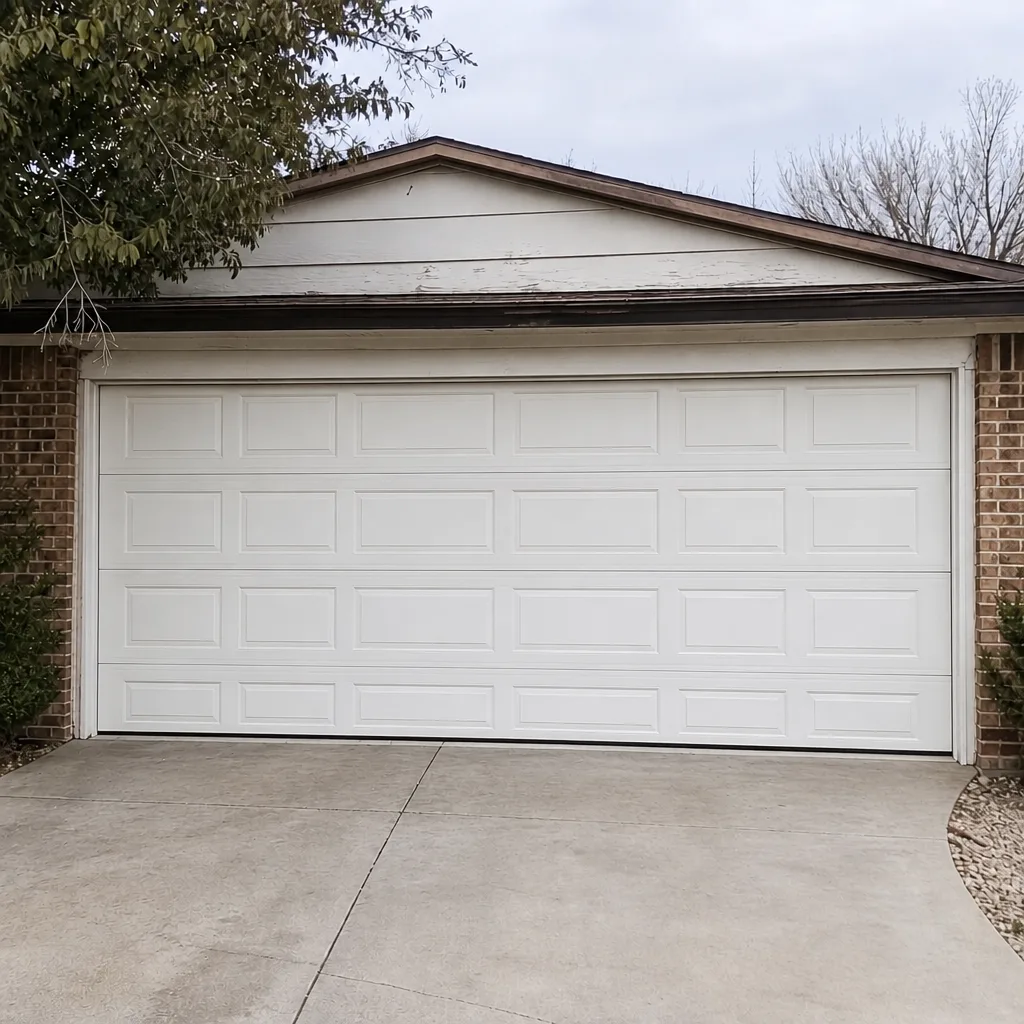
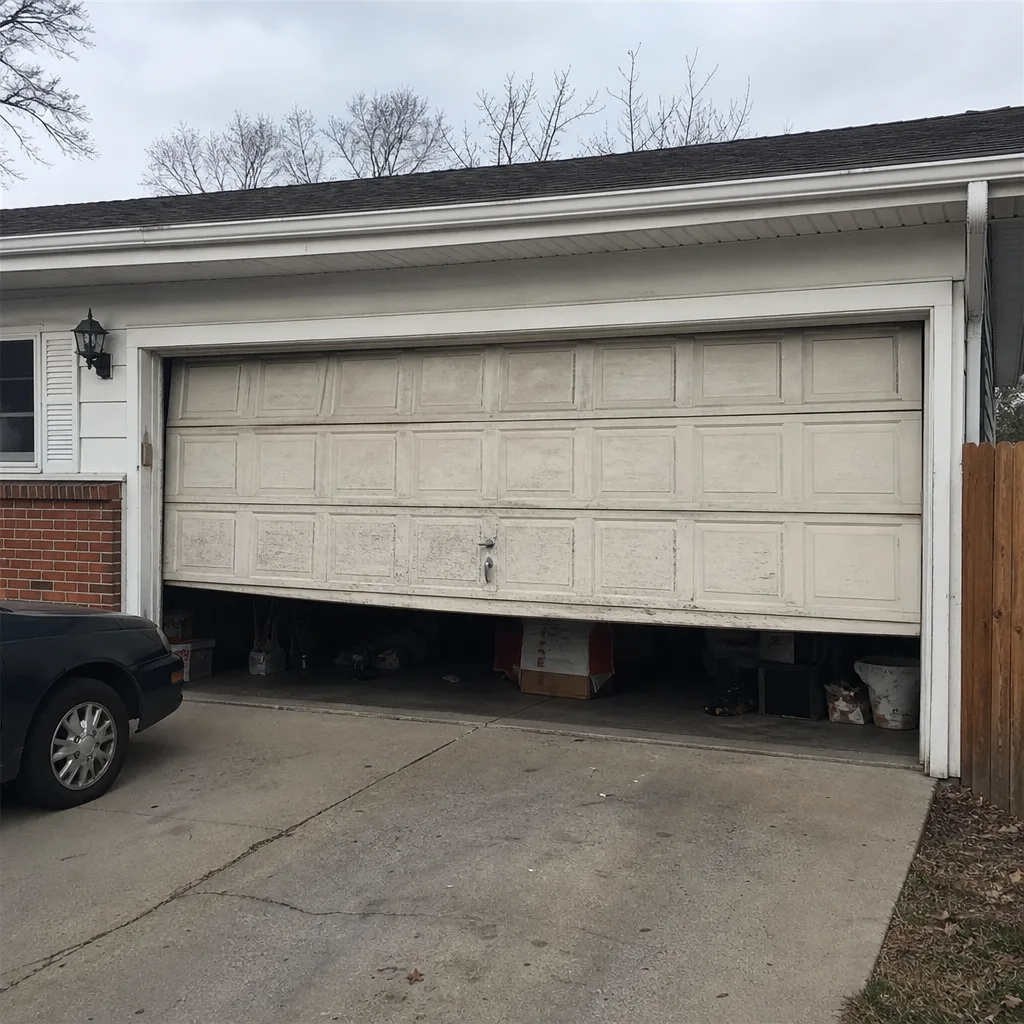
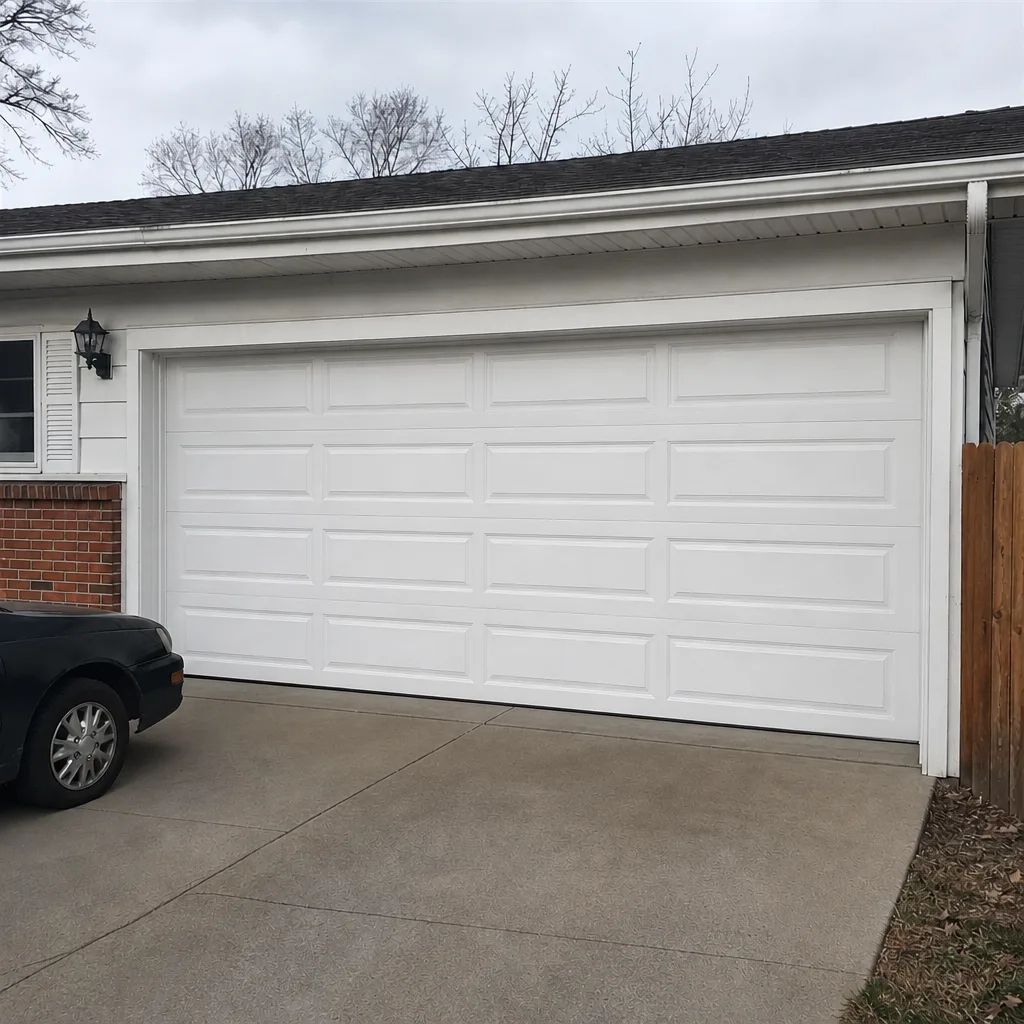
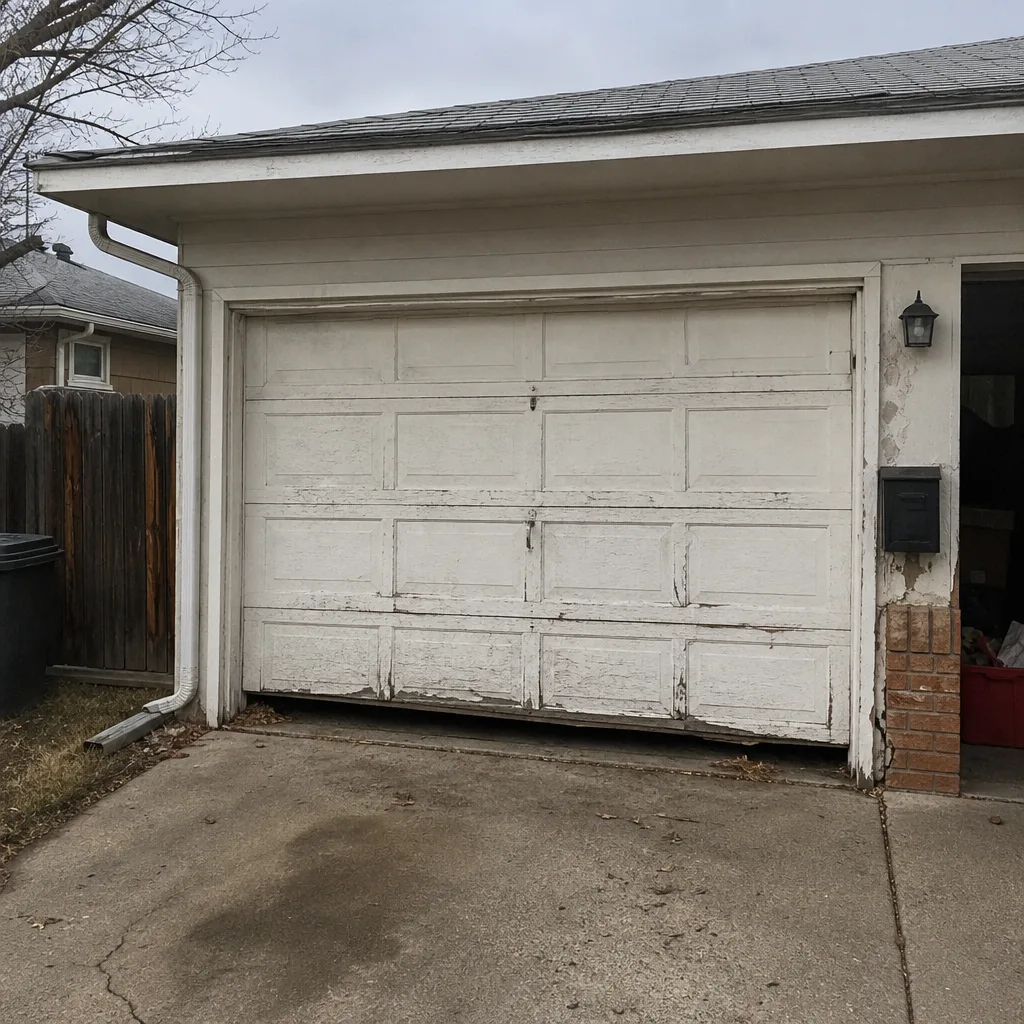
See the difference
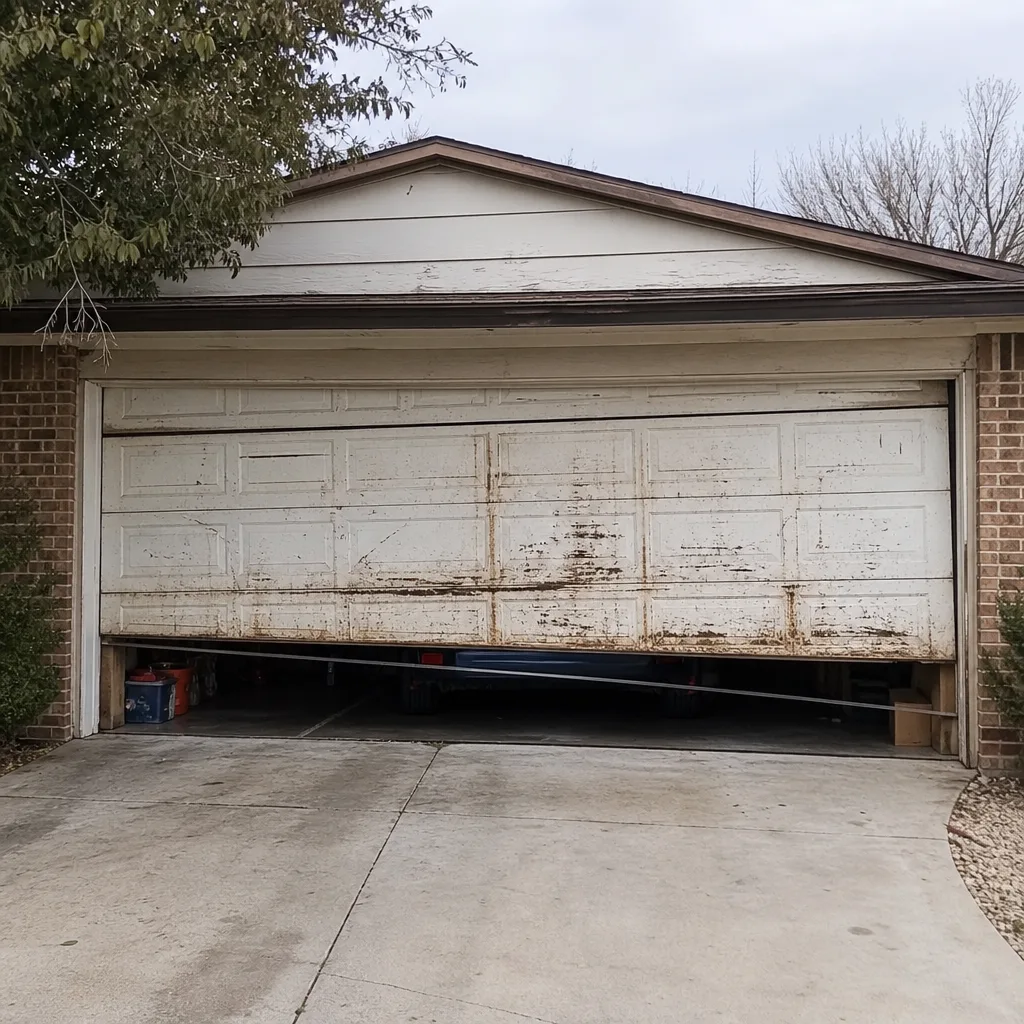 Before
 After
 Before
 After
 Before
 After
When to Call a Professional
Some of this you can handle yourself: the parcel lookup, the call to the building department, the question about your service door. The door itself is a different matter. Call a professional when a spring has snapped, when a cable is frayed or hanging, when the door is crooked in the opening, when the opener runs but the door doesn’t move, or when you’re weighing a full replacement and need to know whether the opening can carry the door you want. Those are the moments where a wrong guess costs more than a service call. Englewood Garage Door Repair Pros offers free estimates in Englewood. Call (833) 513-8729. We answer 24/7. Fast dispatch from 7am to 7pm, Sunday through Friday. The price is quoted and agreed in writing before any work starts, so the number on the estimate is the number you plan around.
Frequently Asked Questions
Usually no, if the new door goes into the same opening at the same size and weight class and nothing structural or electrical changes. You generally do need one when the rough opening changes, the header or framing is altered, a new opener circuit is added, or the fire-rated door between the garage and the house is part of the scope. Call the City of Englewood building department, or Arapahoe County if your parcel is unincorporated, and describe the project in one sentence. They’ll tell you which side of the line you’re on. Call (833) 513-8729 for an exact quote on the door work itself – estimates are free.
Look up your parcel on the Arapahoe County Assessor’s site and cross-check the address against the City of Englewood’s boundary map. If the parcel falls outside the city limits, it’s likely unincorporated county territory and follows county review. The assessor record is the fastest confirmation, and one call to the building department settles any doubt. If we’re quoting a replacement for you, we’ll ask which authority applies before we schedule.
Inspectors look at the header and framing, how the track and spring anchors attach to the structure, full door travel, and the opener’s safety reversal system. If the scope includes fire separation, they check the service door rating and self-closing hardware. To prepare, clear the garage floor, confirm the power is on, and test the photo-eye yourself the day before. A failed safety reversal is the most common reason a final inspection doesn’t pass, and it’s a quick fix when you catch it early.
In most cases yes. Colorado’s adopted residential code treats the wall between an attached garage and the living space as a fire separation, and the door in that wall is part of it. That means a rated door with self-closing hardware rather than a standard interior door. A detached garage has no shared wall, so the requirement doesn’t apply. Confirm the specifics with your local building department before you swap that door.
It can, and it usually shows up at the worst time. A buyer’s inspector may note a newer door with no permit record, or an appraiser may flag a changed opening with no documentation behind it. Lenders sometimes ask for evidence the work was done to code. The fix usually starts with a call to the building department to ask what they need to review the existing work. Getting ahead of it is far easier than reacting to it during a closing.
Yes. We work on LiftMaster and Chamberlain openers, Clopay and Wayne Dalton doors, and the other major brands, so we know what a given system needs to pass a final inspection. We’ll also tell you plainly when a job needs the building department involved and when it doesn’t. Call (833) 513-8729 for a free estimate, and we’ll walk the door with you before anything is ordered.
The Bottom Line
Most garage door work in Englewood requires no permit. Repairs, spring replacement, opener swaps on an existing circuit, and like-for-like door replacements stay outside the building department’s scope. The exceptions are narrower than homeowners fear and more consequential than they expect: a changed rough opening, altered framing, a new opener circuit, or the fire-rated service door between the garage and the house. Confirm your jurisdiction first, because an Englewood address doesn’t always mean City of Englewood code. Do that, and the project closes cleanly – at inspection and at resale.
Contact
If you’d rather have a specialist look before you make the call to the building department, we’re glad to help. Our technicians have up to 11 years of experience with garage door and opener systems, and we quote every job in writing before work begins. Call (833) 513-8729 for a free estimate. We answer 24/7. Fast dispatch from 7am to 7pm, Sunday through Friday. Whether it’s a single broken cable, a stubborn opener, or a full new door, reach out to Englewood Garage Door Repair Pros and we’ll get your door working right the first time.
Written by the team at Englewood Garage Door Repair Pros.